





Japanese honeysuckle
Lonicera japonica
Japanese honeysuckle is a sweet-smelling plant that grows quickly and can climb up trees and fences. Its pretty flowers attract butterflies and bees, making gardens lively and colorful.
Habitat: Urban areas
The Japanese honeysuckle is a vigorous woody vine with opposing oval, dark green leaves. Its tubular flowers emerge white, fading to a creamy yellow, and are highly fragrant. It produces small, glossy black berries in the fall.
Category
PlantsRarity
Common
Danger
1/5 · Very low
Snaps
42
In some countries, it's considered an 'alien invader' because it grows so quickly!
Its leaves can stay green all winter in warm places, giving it a secret advantage!
The sweet, nectar-filled flowers are a favorite treat for hummingbirds and butterflies!
This powerful vine can wrap around trees, sometimes even blocking their sunlight!
Japanese honeysuckle can twist its stems around other plants or structures to climb high and reach sunlight.
It grows extremely fast, allowing it to quickly cover large areas and outcompete other native plants.
Its highly fragrant flowers release a strong, sweet scent at dusk, attracting nocturnal moths for pollination.
It produces abundant black berries, providing food for birds and ensuring its seeds are widely dispersed.
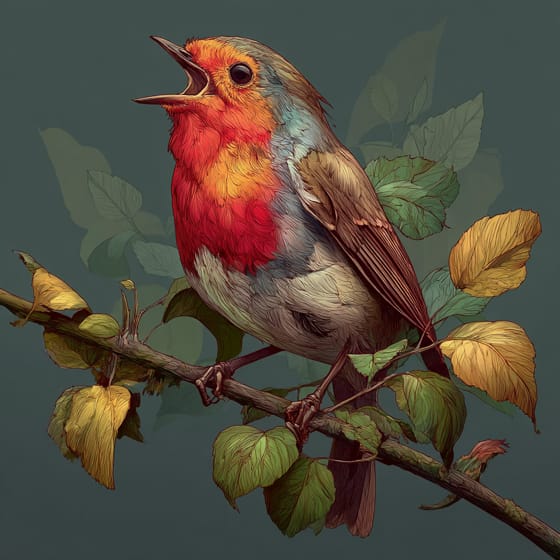
Turdus migratorius
eats its dark berries, aiding seed dispersal.
Hyles lineata
visits its fragrant flowers for nectar at dusk.
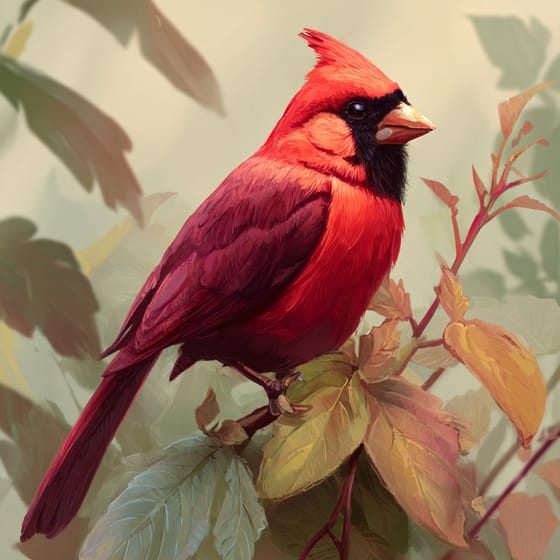
Cardinalis cardinalis
builds nests within its dense, protective vines.
Apis mellifera
gathers nectar and pollen from its sweet blooms.
Aromatic plants produce and emit fragrant volatile organic compounds, often for defense or to attract pollinators.
Flowering plants are any plants that produce flowers as part of their reproductive cycle.
Spring blooming plants produce their flowers during the spring season, often signifying the end of winter and the start of new growth.
Summer blooming plants produce their flowers during the summer season, often providing vibrant color when many other plants have finished.

Fragrant flowers emit a pleasant aroma, often to attract pollinators or for defense.

Fruit-bearing plants produce fruits, which are the mature ovaries of flowering plants containing seeds.

This human use trait describes species cultivated or domesticated by humans for agricultural purposes, including crops and livestock.

Edible plants are those parts of a plant that are considered safe for human consumption.

Describes plants that are particularly attractive and beneficial to a wide range of pollinating organisms.

Rapid growing plants exhibit accelerated growth rates, quickly increasing in size and biomass within a short period.

This habitat trait indicates species that can coexist with humans in urban and suburban environments, utilizing man-made structures and green spaces.

Invasive species are non-native organisms that cause harm to the environment, economy, or human health.
No aliases listed yet.
Danger
1/5 · Very low
While the flowers are safe to smell, don't eat any parts of the plant without asking an adult.
The easiest way to identify Japanese honeysuckle is to use the Snappit nature identifier app.
300-900 cm
2-4 cm
Late spring to fall
Yes
Mild
Perennial
Insect
Zoom in to split clusters and explore where this object has been snapped.

Georgia, US
You might spot Common Vetch, Tiny Bluet, and Carolina Crane's-Bill.
View guide →

South Carolina, US
You might spot Anole, Green Treefrog, and Eastern Gray Squirrel.
View guide →

Georgia, US
You might spot Gulf Fritillary, Anole, and American Beautyberry.
View guide →

Alabama, US
You might spot American Beautyberry, White-Tailed Deer, and Peppervine.
View guide →

US
You might spot Wharf Louse, Osprey, and Ruddy Turnstone.
View guide →
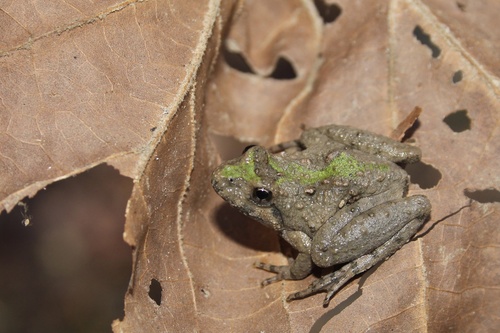
Maryland, US
You might spot Northern Cricket Frog and Common Whitetail.
View guide →
Take the discovery with you
Snap it with Snappit to identify it, learn what makes it special, and add the discovery to your collection.








.jpg&width=800)

_001.jpg&width=800)



