





Elk Thistle
cirsium scariosum
The Elk Thistle is a tall, spiky plant with vibrant purple flowers that attract many insects. It's often found in meadows and can grow up to 6 feet tall!
Habitat: Meadows and open grasslands across western North America.
The Elk Thistle is a robust plant with tall, prickly stems and broad, spiny-edged green leaves. Its distinctive round flower heads are usually vivid purple or pink, often clustered at the stem tips, making it easily spotted in meadows.
Category
PlantsRarity
Common
Danger
1/5 · Very low
Snaps
3
Bumblebees and butterflies adore its nectar-rich, purple flowers.
Indigenous peoples sometimes cooked its thick roots as a meal!
Its name honors elk, who sometimes forage on its tough roots!
This plant often thrives in sunny mountain meadows up high.
Elk Thistle has sharp spines on its leaves and stems that deter hungry herbivores, protecting its precious leaves and flowers.
Elk Thistle can grow a strong taproot deep into the soil, helping it find water and nutrients in dry conditions.
Elk Thistle's seeds have a parachute-like pappus that allows them to float on the wind, spreading new plants far and wide.
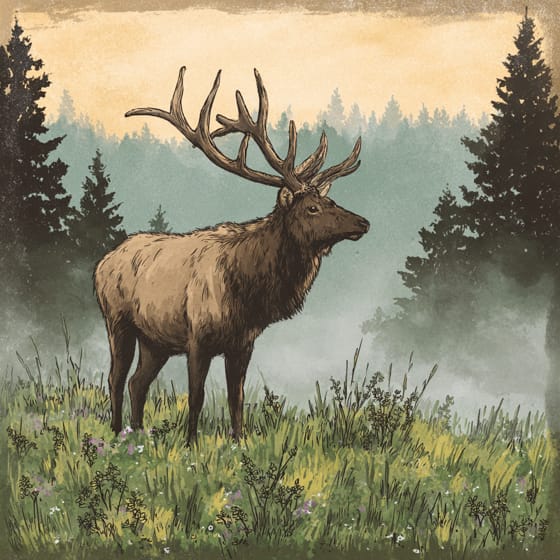
Cervus canadensis
forages on leaves and roots, especially in spring
Bombus occidentalis
collects nectar and pollen from its abundant flowers

Vanessa cardui
visits flowers for nectar, aiding in pollination
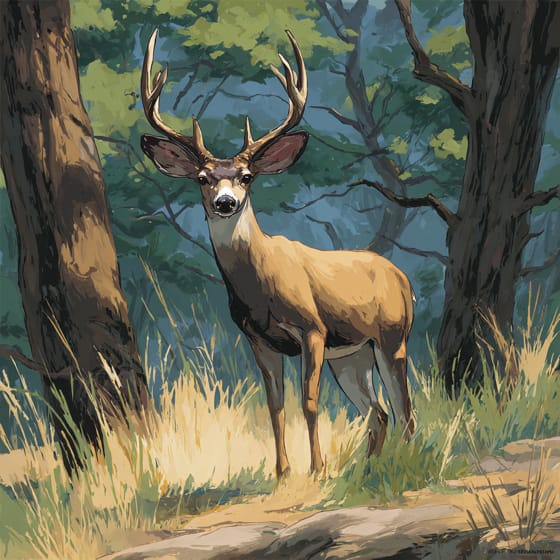
Odocoileus hemionus
browses on young leaves and flower heads
Social animals live in organized groups, cooperating for survival benefits such as foraging, defense, and raising offspring.
Colorful describes organisms or objects displaying a wide range of bright and distinct colors.
Grassland habitats are terrestrial biomes dominated by grasses and herbaceous plants, supporting a variety of grazing animals.
This trait characterizes organisms whose diet consists entirely or primarily of plant material.

Describes organisms that transfer pollen, enabling the fertilization and reproduction of plants.
Danger
1/5 · Very low
Avoid touching the prickly leaves.
The easiest way to identify Elk Thistle is to use the Snappit nature identifier app.
30-150 cm
30-60 cm
2-5 cm
Summer to early Fall
No
None
Perennial
Zoom in to split clusters and explore where this object has been snapped.

Wyoming, US
You might spot Long-Billed Curlew, Lesser Scaup, and Red-Winged Blackbird.
View guide →

Wyoming, US
You might spot American Bison and Common Raven.
View guide →

Montana, US
You might spot Sticky Geranium, Osprey, and Brown Bear.
View guide →
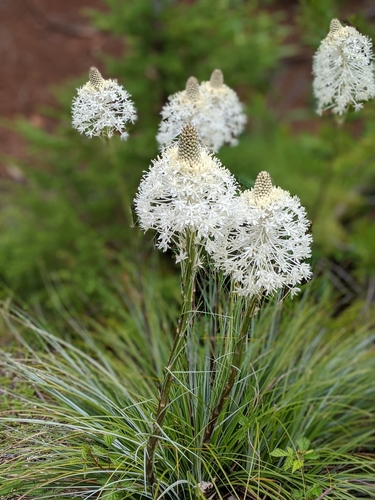
British Columbia, CA
You might spot Common Beargrass and Subalpine Larch.
View guide →
Take the discovery with you
Snap it with Snappit to identify it, learn what makes it special, and add the discovery to your collection.









.jpg&width=800)



_001.jpg&width=800)




