





Emydine Turtles
emydinae
Emydine turtles are fun, friendly creatures that love to bask in the sun. They are great swimmers and can often be seen gliding through ponds and rivers!
Habitat: Emydine turtles are commonly found in freshwater lakes, ponds, and rivers, as well as coastal areas.
The Emydine Turtles have smooth, often dome-shaped or flattened shells, typically brown, green, or black, sometimes with vibrant patterns of yellow, red, or orange stripes and spots. Their limbs are usually webbed, aiding in aquatic movement, and their skin can be similarly marked with bright colors.
Category
ReptilesRarity
Common
Danger
1/5 · Very low
Snaps
Be the first to snap!
A group of turtles is sometimes called a "bale" or a "dole"!
Many Emydine turtles can eat underwater thanks to specialized throats!
Some species can survive freezing conditions by producing a natural antifreeze!
They often bask in the sun to warm up, which also helps fight off parasites!
Emydine Turtles can control the sex of their babies because the nest temperature during incubation determines if they'll be male or female.
Emydine Turtles have webbed feet and streamlined shells that help them swim quickly and efficiently through freshwater environments.
Emydine Turtles has a hard, bony shell fused to its skeleton that acts as a strong, protective shield against predators.
These turtles eat a mix of plants and small animals, helping keep their watery homes healthy.
Age differences: Younger turtles are often more carnivorous, eating more insects and worms, while adults eat more plants.
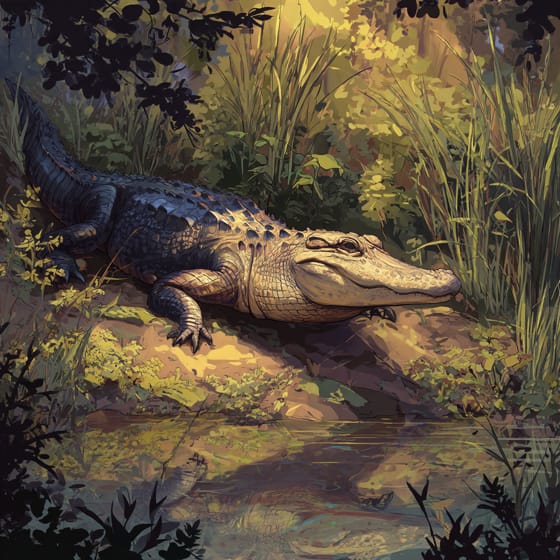
Alligator mississippiensis
Large adults sometimes prey on smaller or injured turtles.
Procyon lotor
Raccoons are major predators of turtle eggs and hatchlings.
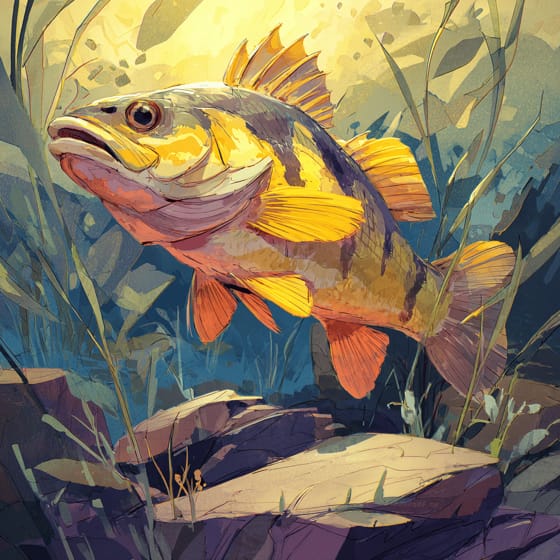
Perca flavescens
Adult turtles may prey on small fish like juvenile perch.
Chironomus plumosus
Larvae of this midge are a common food for young turtles.
Solitary animals live alone for most of their lives, only interacting with others for mating or parental care.
This trait characterizes organisms whose diet consists entirely or primarily of plant material.
This trait identifies organisms whose diet consists entirely or primarily of animal tissue.
Aquatic habitats encompass environments where organisms live predominantly in water, including oceans, rivers, lakes, and wetlands.
Danger
1/5 · Very low
Always observe turtles from a distance to avoid disturbing them.
The easiest way to identify Emydine Turtles is to use the Snappit nature identifier app.
10-40 cm
0.2-7 kg
20-60 years
1.5 km/h
These turtles eat a mix of plants and small animals, helping keep their watery homes healthy.
10 km/h
Emydine turtles are commonly found in freshwater lakes, ponds, and rivers, as well as coastal areas.
Zoom in to split clusters and explore where this object has been snapped.
Recent snaps will appear here as new observations are added.
Take the discovery with you
Snap it with Snappit to identify it, learn what makes it special, and add the discovery to your collection.
















