_Nosy_Komba.jpg&width=800)





Madagascar Giant Day Gecko
Phelsuma grandis
The Madagascar Giant Day Gecko is a colorful lizard that loves to bask in the sun. They have bright green skin with beautiful spots, making them look like little jewels in the trees!
Habitat: Forests
The Madagascar Giant Day Gecko has a brilliant emerald green body, often adorned with striking red or reddish-brown spots on its back. It has bright blue eyes bordered by a black line, making it one of the most vividly colored reptiles.
Category
ReptilesRarity
Common
Danger
1/5 · Very low
Snaps
1
Madagascar Giant Day Geckos communicate with unique chirps and clicks, especially when they feel threatened.
Their eggs are incredibly sticky and are often glued firmly to leaves or tree bark to keep them safe.
These geckos have no eyelids, so they lick their own eyeballs to keep them clean and moist!
They are the largest of all day geckos, capable of growing up to a foot long!
Madagascar Giant Day Gecko can stick to almost any surface, even smooth glass, because of millions of tiny hair-like structures on their toe pads.
Madagascar Giant Day Gecko can drop its tail when threatened, which then wiggles to distract predators, allowing the gecko to escape.
Madagascar Giant Day Gecko has the amazing ability to regrow its lost tail or even injured skin, helping them recover from mishaps.
Madagascar Giant Day Gecko can lighten or darken its green skin to better blend into its surroundings or signal its mood to other geckos.
These geckos munch on insects, fruit, and sweet nectar, making them diverse eaters!
Corvus albus
Adult crows may prey on geckos.
Sanzinia madagascariensis
Snakes ambush geckos in foliage.
Gryllus bimaculatus
Geckos hunt crickets for protein.
Ravenala madagascariensis
Geckos drink nectar from its flowers.
Marked with spots or patches of a different color.
This trait identifies organisms whose diet includes both plant and animal matter.
Arboreal animals live primarily in trees, utilizing them for shelter, food, and protection from predators.
Colorful describes organisms or objects displaying a wide range of bright and distinct colors.

Forest habitats are terrestrial environments dominated by dense tree cover, supporting a high diversity of plant and animal life.

This trait characterizes organisms with an exceptionally long lifespan compared to others of their kind.

Diurnal animals are primarily active during daylight hours, typically resting or sleeping at night.

Describes organisms that transfer pollen, enabling the fertilization and reproduction of plants.

Endangered status indicates a species is at a very high risk of extinction in the wild in the near future.
Danger
1/5 · Very low
Always watch geckos from a distance and don't try to touch them, as they can be shy.
The easiest way to identify Madagascar Giant Day Gecko is to use the Snappit nature identifier app.
20-30 cm
0.05-0.1 kg
10-15 years
8 km/h
These geckos munch on insects, fruit, and sweet nectar, making them diverse eaters!
Forests
Foraging
Zoom in to split clusters and explore where this object has been snapped.

Hawaii, US
You might spot Koster's Curse and White-Rumped Shama.
View guide →
Florida, US
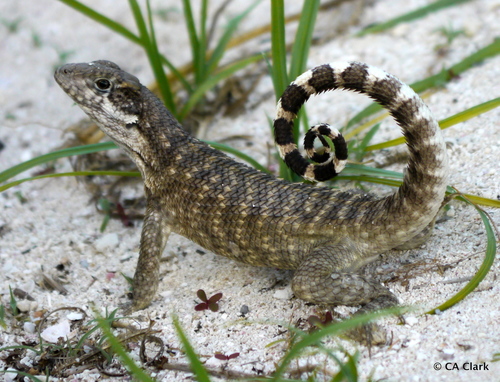
You might spot Northern Curly-Tailed Lizard and Green Iguana.
View guide →

California, US
You might spot Snow Leopard and Varecia Variegata Subcincta.
View guide →
Take the discovery with you
Snap it with Snappit to identify it, learn what makes it special, and add the discovery to your collection.











