





Emydura macquarii krefftii
Emydura macquarii krefftii
The Krefft's River Turtle is a friendly turtle that loves to swim in rivers and lakes. It has a beautiful shell and enjoys basking in the sun on warm rocks.
Habitat: Freshwater rivers and lakes
The Emydura macquarii krefftii has a smooth, oval-shaped shell, typically olive to dark brown, with a creamy underside. Its most striking feature is the bright yellow stripe extending from behind the eye, across the temple, and down the neck, contrasting with its darker skin.
Category
ReptilesRarity
Common
Danger
1/5 · Very low
Snaps
Be the first to snap!
Its bright yellow neck stripes are like a secret identity mask!
Krefft's River Turtles love to bask in the sun to warm their bodies!
Some turtles live longer than your grandparents do!
They can spend winter buried in river mud, called brumation!
Emydura macquarii krefftii can breathe underwater using special cloacal bursae, allowing them to stay submerged for extended periods to forage and hide.
Emydura macquarii krefftii has a robust, streamlined shell that helps protect it from predators and aids in efficient swimming through water.
Emydura macquarii krefftii can quickly retract its head and limbs into its shell, providing instant protection from sudden threats.
Emydura macquarii krefftii can navigate strong river currents thanks to its webbed feet and flat, hydrodynamic shell, helping it find food.
An omnivore, it enjoys a varied menu of plants, insects, and small aquatic animals from its freshwater home.
Age differences: Younger turtles eat more protein (insects); adults consume more plants and algae.
Gambusia holbrooki
Main food source for juveniles
.jpg&width=800)
Myriophyllum aquaticum
Common aquatic plant food
Varanus varius
Preys on eggs and hatchlings
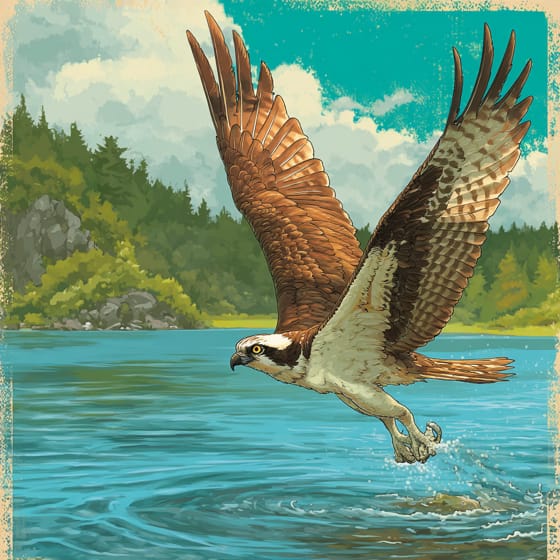
Pandion haliaetus
Hunts juvenile turtles
Marked with parallel bands or lines of color.
Social animals live in organized groups, cooperating for survival benefits such as foraging, defense, and raising offspring.
Colorful describes organisms or objects displaying a wide range of bright and distinct colors.
This trait characterizes organisms whose diet consists entirely or primarily of plant material.

Diurnal animals are primarily active during daylight hours, typically resting or sleeping at night.

Freshwater habitats include non-saline aquatic environments such as rivers, lakes, ponds, and wetlands, vital for numerous species.

Describes a species whose presence and role have a disproportionately large effect on its environment.

Aquatic habitats encompass environments where organisms live predominantly in water, including oceans, rivers, lakes, and wetlands.

Endangered status indicates a species is at a very high risk of extinction in the wild in the near future.
Danger
1/5 · Very low
Always watch turtles from a distance and don't try to touch them in the wild.
The easiest way to identify Emydura macquarii krefftii is to use the Snappit nature identifier app.
20-30 cm
1-3 kg
20-35 years
An omnivore, it enjoys a varied menu of plants, insects, and small aquatic animals from its freshwater home.
Freshwater rivers and lakes
Foraging
10-20
Zoom in to split clusters and explore where this object has been snapped.
Recent snaps will appear here as new observations are added.
Take the discovery with you
Snap it with Snappit to identify it, learn what makes it special, and add the discovery to your collection.













