





Eurasian Bullfinch
Pyrrhula pyrrhula
The Eurasian Bullfinch is a colorful bird with a round body and a short tail. They love to eat seeds and can often be seen in gardens and forests, making cheerful sounds.
Habitat: Forests
The Eurasian Bullfinch is a plump bird, easily identified by its distinctive black cap and short, stout black beak. Males boast a vibrant rosy-pink breast and belly, contrasting with a grey back, black wings, and a bright white rump patch visible in flight.
Category
BirdsRarity
Common
Danger
1/5 · Very low
Snaps
Be the first to snap!
Bullfinches sometimes visit bird feeders, preferring sunflower seeds!
Male Bullfinches flash their bright rosy breast to attract mates!
Pairs often mate for life and stay together through the seasons.
They can sometimes learn to mimic simple human whistling tunes.
Eurasian Bullfinch has a powerful, conical beak that helps them effortlessly crack open tough seeds and buds.
Eurasian Bullfinch can locate hidden fruit buds in winter, ensuring they find food when resources are scarce.
Eurasian Bullfinch has a unique, quiet whistling call that helps them communicate softly without attracting predators.
This bird mainly enjoys eating seeds and the nutritious buds from trees and shrubs.
Age differences: Young birds eat more insects during their growth period.

Accipiter nisus
A common aerial predator of small birds.
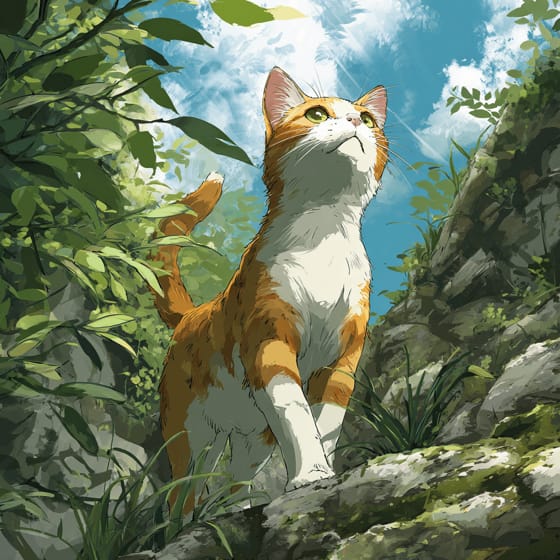
Felis catus
An opportunistic predator in garden habitats.
Prunus avium
Bullfinches feed on the buds, sometimes damaging orchards.
Fraxinus excelsior
They crack open and consume seeds from ash trees.
Feathered describes animals, primarily birds, possessing a covering of feathers.
Social animals live in organized groups, cooperating for survival benefits such as foraging, defense, and raising offspring.
Singing animals produce complex vocalizations, often for purposes of attracting mates, defending territory, or communicating within their species.
Colorful describes organisms or objects displaying a wide range of bright and distinct colors.

This trait characterizes organisms whose diet consists entirely or primarily of plant material.

Forest habitats are terrestrial environments dominated by dense tree cover, supporting a high diversity of plant and animal life.

Diurnal animals are primarily active during daylight hours, typically resting or sleeping at night.
No aliases listed yet.
Danger
1/5 · Very low
Enjoy watching birds from a distance, and don't try to touch them.
The easiest way to identify Eurasian Bullfinch is to use the Snappit nature identifier app.
14.5-16.5 cm
22-29 cm
0.021-0.027 kg
2-5 years
50 km/h
This bird mainly enjoys eating seeds and the nutritious buds from trees and shrubs.
Forests
Zoom in to split clusters and explore where this object has been snapped.
Recent snaps will appear here as new observations are added.
Take the discovery with you
Snap it with Snappit to identify it, learn what makes it special, and add the discovery to your collection.




.jpg&width=800)






