




Eurasian Griffon
Gyps fulvus
The Eurasian Griffon is a large bird with big wings and a fluffy neck. They soar high in the sky and are known for their impressive gliding skills. They help clean up the environment by eating dead animals.
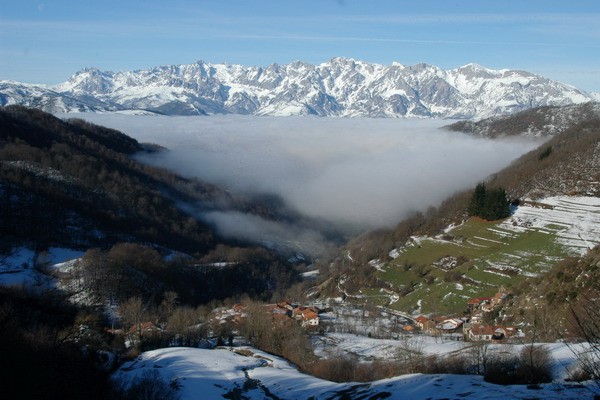
Habitat: Mountain regions
The Eurasian Griffon is a very large old-world vulture with a pale, downy head and a prominent white ruff of feathers around its neck. Its body plumage is sandy brown, contrasting with dark flight feathers, making it distinct from smaller, darker vultures.
Category
BirdsRarity
Common
Danger
1/5 · Very low
Snaps
Be the first to snap!
A group of griffons feeding together is called a 'wake' – like a funeral gathering!
Griffons have strong talons, but they don't hunt; they only use them to hold onto carrion.
These vultures can fly higher than Mount Everest, reaching altitudes of over 11,000 meters!
They are nature's cleanup crew, eating dead animals that could otherwise spread diseases.
Eurasian Griffon can glide for hours on thermal air currents because of its huge wingspan, saving massive amounts of energy.
Eurasian Griffon has extremely powerful stomach acids that help them digest decaying meat, preventing disease spread.
Eurasian Griffon has incredibly sharp eyesight that allows them to spot small carcasses from thousands of feet up.
These large birds are vital scavengers, cleaning up the environment by eating only dead animals.
Ovis aries
Scavenges on carcasses of dead domestic sheep.

Capra pyrenaica
Feeds on remains of wild goats in mountain regions.
Canis lupus
Follows wolves to scavenge on their kills after they finish eating.
Feathered describes animals, primarily birds, possessing a covering of feathers.
Social animals live in organized groups, cooperating for survival benefits such as foraging, defense, and raising offspring.
Scavengers consume dead organic matter, helping to decompose carcasses and other waste in the ecosystem.
Gliding animals move through the air by launching themselves and maintaining flight with specialized body structures, without flapping wings.

This habitat trait identifies species found in mountainous regions, characterized by high elevation, steep slopes, and varying climate zones.

This trait identifies organisms whose diet consists entirely or primarily of animal tissue.

Diurnal animals are primarily active during daylight hours, typically resting or sleeping at night.

Describes a species whose presence and role have a disproportionately large effect on its environment.

Giant describes organisms or objects of significantly larger size than average for their species or type.
Danger
1/5 · Very low
Enjoy watching birds from a distance and never try to touch or feed them.
The easiest way to identify Eurasian Griffon is to use the Snappit nature identifier app.
93-122 cm
230-280 cm
6.2-11.5 kg
20-30 years
60 km/h
These large birds are vital scavengers, cleaning up the environment by eating only dead animals.
Mountain regions
Zoom in to split clusters and explore where this object has been snapped.
Recent snaps will appear here as new observations are added.
Take the discovery with you
Snap it with Snappit to identify it, learn what makes it special, and add the discovery to your collection.





.jpg&width=800)








