





Eurasian Harvest Mouse
Micromys minutus
The Eurasian Harvest Mouse is a tiny, cute mouse that loves to live in fields and grasslands. It's known for its long tail and fluffy fur, making it look very adorable!
Habitat: Grasslands
The Eurasian Harvest Mouse is tiny, with soft reddish-brown fur on its back and a white belly. It has a distinctive long, prehensile tail that is almost as long as its body. Its relatively large ears and small, dark eyes stand out on its miniature face.
Category
MammalsRarity
Common
Danger
1/5 · Very low
Snaps
Be the first to snap!
Super-flexible bodies let them squeeze through incredibly tiny gaps easily.
These tiny acrobats can hang upside down by their tails for several minutes!
They are the smallest rodent in Europe, weighing less than two coins!
They live high in tall grasses, rarely touching the ground.
Eurasian Harvest Mouse has a prehensile tail that helps them grip stems and balance while climbing high on plants.
Eurasian Harvest Mouse can weave intricate, spherical nests from grass and leaves, keeping their babies safe.
Eurasian Harvest Mouse can climb vertically up slender plant stems, enabling them to reach seeds and berries.
These tiny mice mostly munch on seeds, grains, and small insects they find in grassy fields.

Strix aluco
A nocturnal predator that hunts small rodents.
Mustela nivalis
A slender, agile predator capable of pursuing mice into their nests.
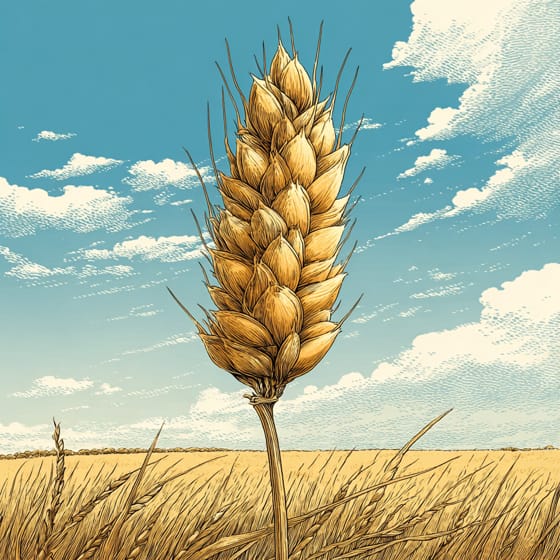
Triticum aestivum
Feeds on the grains, especially in agricultural areas.
Rubus fruticosus
Consumes its berries for energy and moisture.
Furry describes animals possessing a dense covering of soft hair or fur.
Social animals live in organized groups, cooperating for survival benefits such as foraging, defense, and raising offspring.
Grassland habitats are terrestrial biomes dominated by grasses and herbaceous plants, supporting a variety of grazing animals.
This trait characterizes organisms whose diet consists entirely or primarily of plant material.

Diurnal animals are primarily active during daylight hours, typically resting or sleeping at night.

Describes a species whose presence and role have a disproportionately large effect on its environment.

Pertaining to species that are significantly smaller than typical or average for their kind.

Describes organisms that transfer pollen, enabling the fertilization and reproduction of plants.
No aliases listed yet.
Danger
1/5 · Very low
If you see a mouse, it's best to watch from a distance and not touch it.
The easiest way to identify Eurasian Harvest Mouse is to use the Snappit nature identifier app.
5-7.5 cm
0.004-0.01 kg
0.5-2 years
8 km/h
These tiny mice mostly munch on seeds, grains, and small insects they find in grassy fields.
Grasslands
Foraging
Zoom in to split clusters and explore where this object has been snapped.
Recent snaps will appear here as new observations are added.
Take the discovery with you
Snap it with Snappit to identify it, learn what makes it special, and add the discovery to your collection.




.jpg&width=800)


.JPG&width=800)

.jpg&width=800)
