





Eurasian Kestrel
Falco tinnunculus
The Eurasian Kestrel is a small bird of prey that loves to hover in the air while looking for food. With its beautiful feathers and sharp eyes, it is a skilled hunter that can spot tiny animals from high above.
Habitat: Grasslands
The Eurasian Kestrel has a slender body with long, pointed wings and a fanned tail. Males feature a distinct grey head and tail, contrasting with a rufous-brown back and spotted breast. Females are generally browner overall, with a barred tail.
Category
BirdsRarity
Common
Danger
2/5 · Low
Snaps
Be the first to snap!
Did you know a kestrel can turn its head almost 270 degrees to look around?
Kestrels often use abandoned nests of crows or magpies instead of building their own!
Sometimes, multiple kestrel families nest close together, forming a mini bird community!
Their call sounds like 'kee-kee-kee', which helps you identify them in the wild.
Eurasian Kestrel can hover perfectly still against the wind because of its specialized wings, helping it pinpoint prey on the ground.
Eurasian Kestrels have special eyes that can see ultraviolet light, helping them track invisible rodent scent trails.
Eurasian Kestrel can dive accurately onto tiny prey from high above because of its sharp talons and incredible focus.
Kestrels mostly eat small creatures like mice and insects, catching them with a quick dive!
Age differences: Young kestrels eat more insects; adults increasingly hunt larger vertebrates.
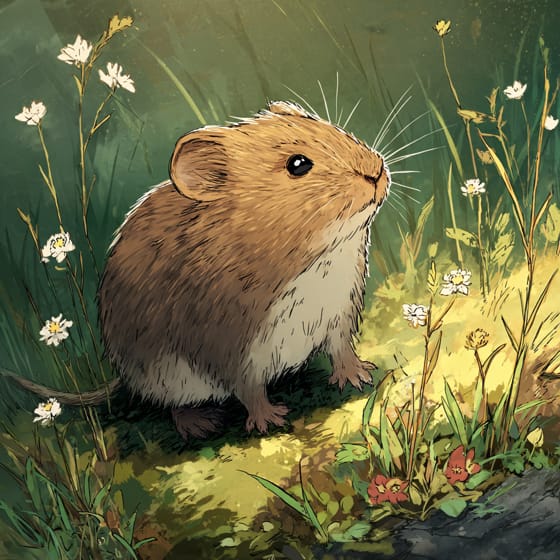
Microtus arvalis
Primary prey, often spotted from above using hovering.
Apodemus sylvaticus
Frequently hunted small mammal in diverse habitats.
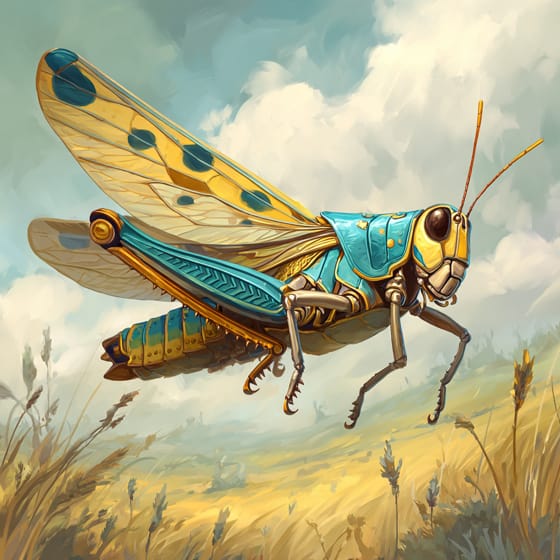
Locusta migratoria
Important food source, especially for younger kestrels.
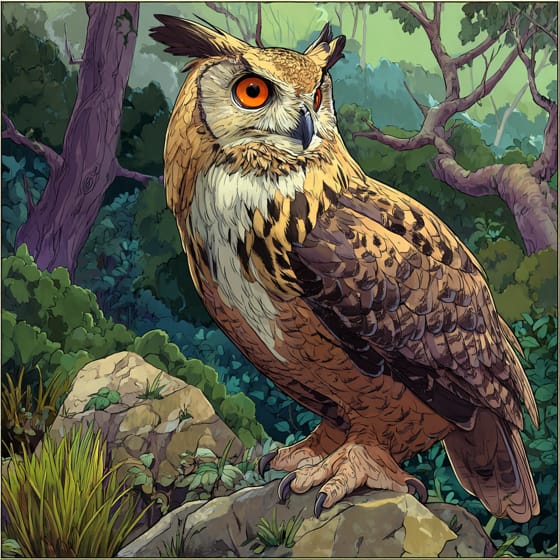
Bubo bubo
Larger raptors can occasionally prey on kestrels.
Feathered describes animals, primarily birds, possessing a covering of feathers.
Solitary animals live alone for most of their lives, only interacting with others for mating or parental care.
Aerial creatures spend a significant portion of their lives airborne, utilizing flight for various activities such as hunting, migration, or nesting.
Colorful describes organisms or objects displaying a wide range of bright and distinct colors.

Grassland habitats are terrestrial biomes dominated by grasses and herbaceous plants, supporting a variety of grazing animals.

An ambush predator hunts by patiently waiting and concealing itself, then launching a sudden attack when unsuspecting prey comes within range.

This trait identifies organisms whose diet consists entirely or primarily of animal tissue.

Diurnal animals are primarily active during daylight hours, typically resting or sleeping at night.

This trait identifies organisms that exhibit exceptional swiftness in movement for hunting, escape, or travel.
No aliases listed yet.
Danger
2/5 · Low
Watch birds from a distance and don't try to touch them.
The easiest way to identify Eurasian Kestrel is to use the Snappit nature identifier app.
32-39 cm
65-82 cm
0.15-0.31 kg
2-4 years
60 km/h
Kestrels mostly eat small creatures like mice and insects, catching them with a quick dive!
Grasslands
Zoom in to split clusters and explore where this object has been snapped.
Recent snaps will appear here as new observations are added.
Take the discovery with you
Snap it with Snappit to identify it, learn what makes it special, and add the discovery to your collection.





.jpg&width=800)






