.jpg&width=800)





Eurasian Treecreeper
Certhia familiaris
The Eurasian Treecreeper is a small bird that loves to climb trees. It has a long, curved beak that helps it find insects hiding in the bark. You can often see it moving up tree trunks in search of food!
Habitat: Forests
The Eurasian Treecreeper has a mottled brown back with streaks that camouflage it perfectly against tree bark, a pure white belly, and a distinctive long, slender, downcurved bill. Its stiff tail feathers, used for support, are also a unique visual feature.
Category
BirdsRarity
Common
Danger
1/5 · Very low
Snaps
Be the first to snap!
Despite their tiny size, treecreepers can survive cold winters by constantly searching for food.
It always climbs up a tree in a spiral, then flies down to the base of the next tree to start again!
Their soft, high-pitched song sounds like a delicate 'twee-twee-twee' whistle that's easy to miss.
They build cozy cup-shaped nests hidden behind loose bark flakes or in tree cavities.
Eurasian Treecreeper has a slender, downcurved bill that helps them probe deep into bark crevices to find hidden insects.
Eurasian Treecreeper has mottled brown plumage that helps them blend perfectly with tree bark, making them hard to spot.
They snack on tiny insects and spiders hidden in tree bark.
Accipiter nisus
A fast raptor that hunts small birds in woodlands.

Strix aluco
A nocturnal owl that can prey on roosting treecreepers.
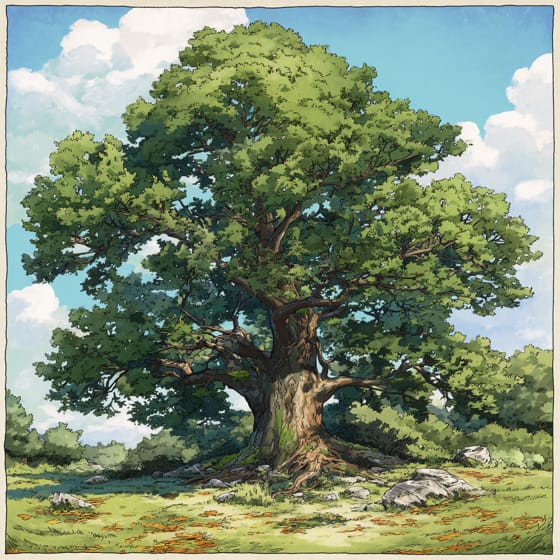
Quercus robur
Provides abundant insects and bark crevices for foraging and nesting.
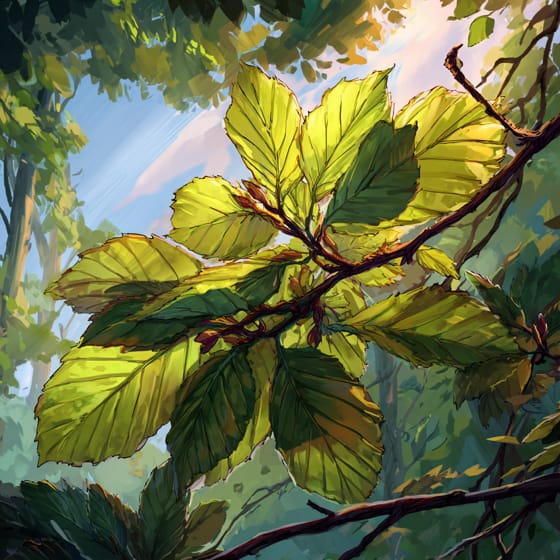
Fagus sylvatica
Offers insects and potential nesting sites behind its smooth bark.
Feathered describes animals, primarily birds, possessing a covering of feathers.
Singing animals produce complex vocalizations, often for purposes of attracting mates, defending territory, or communicating within their species.
Arboreal animals live primarily in trees, utilizing them for shelter, food, and protection from predators.
Camouflaged describes organisms that possess coloring or patterns that allow them to blend into their environment.

This trait identifies organisms whose diet primarily consists of insects and other small invertebrates.

Forest habitats are terrestrial environments dominated by dense tree cover, supporting a high diversity of plant and animal life.

Diurnal animals are primarily active during daylight hours, typically resting or sleeping at night.
No aliases listed yet.
Danger
1/5 · Very low
Enjoy watching birds from a distance and don't disturb their nests.
The easiest way to identify Eurasian Treecreeper is to use the Snappit nature identifier app.
12-14 cm
17-21 cm
0.007-0.012 kg
2-3 years
35 km/h
They snack on tiny insects and spiders hidden in tree bark.
Forests
Zoom in to split clusters and explore where this object has been snapped.
Recent snaps will appear here as new observations are added.
Take the discovery with you
Snap it with Snappit to identify it, learn what makes it special, and add the discovery to your collection.




.jpg&width=800)








