





European Fallow Deer
Dama dama
The European Fallow Deer is a gentle animal with beautiful spotted fur. They are known for their graceful movements and can often be seen in groups, munching on grass and leaves in the forest.
Habitat: Forests
The European Fallow Deer has a reddish-brown summer coat distinctly marked with white spots on its back, setting it apart from other unspotted deer species. Its winter coat is typically darker, uniform grey-brown. Males are easily identified by their large, flattened, shovel-shaped (palmate) antlers.
Category
MammalsRarity
Common
Danger
2/5 · Low
Snaps
Be the first to snap!
Ancient Romans introduced these beautiful deer to many new countries across Europe!
Some fallow deer are naturally white like ghosts, while others have coats almost black!
They communicate using barks when scared, and males make loud groans during mating season!
Wow! Male fallow deer grow a brand new, impressive set of antlers every single year!
European Fallow Deer can detect distant threats with their excellent hearing and sense of smell, helping them avoid predators.
European Fallow Deer has a dappled summer coat that helps them blend perfectly with forest shadows, hiding from danger.
European Fallow Deer can jump surprisingly high and far, allowing them to clear obstacles and escape quickly from predators.
Fallow deer are plant-eaters, munching on a variety of grasses, leaves, and tasty acorns!
Age differences: Fawns drink their mother's milk, then slowly transition to an adult diet of plants.
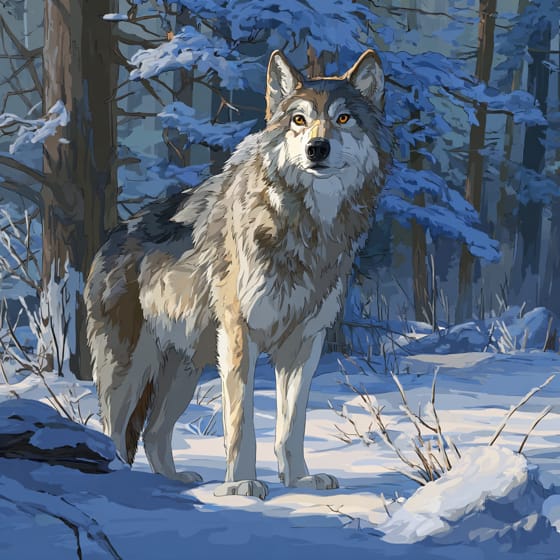
Canis lupus
Wolves are significant predators of fallow deer in some regions.
Lynx lynx
Lynxes are agile hunters that prey on deer.
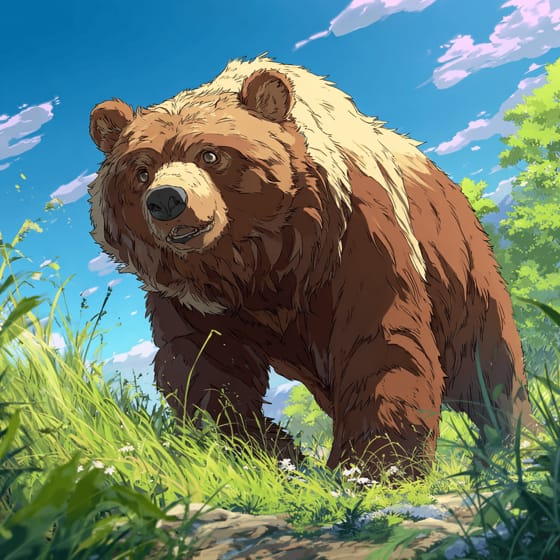
Ursus arctos
Brown bears prey on deer, especially vulnerable fawns.
Furry describes animals possessing a dense covering of soft hair or fur.
Marked with spots or patches of a different color.
Social animals live in organized groups, cooperating for survival benefits such as foraging, defense, and raising offspring.
Antlered describes animals possessing antlers, which are bony, branching growths found predominantly on male deer and related species.

Colorful describes organisms or objects displaying a wide range of bright and distinct colors.

This trait characterizes organisms whose diet consists entirely or primarily of plant material.

Forest habitats are terrestrial environments dominated by dense tree cover, supporting a high diversity of plant and animal life.

Diurnal animals are primarily active during daylight hours, typically resting or sleeping at night.

Describes a species whose presence and role have a disproportionately large effect on its environment.

Threatened status denotes a species likely to become endangered in the foreseeable future without effective conservation interventions.
No aliases listed yet.
Danger
2/5 · Low
If you see a deer, watch quietly from a distance and don't try to get too close.
The easiest way to identify European Fallow Deer is to use the Snappit nature identifier app.
130-190 cm
30-94 kg
10-15 years
50 km/h
Fallow deer are plant-eaters, munching on a variety of grasses, leaves, and tasty acorns!
Forests
Grazing
Zoom in to split clusters and explore where this object has been snapped.
Recent snaps will appear here as new observations are added.
Take the discovery with you
Snap it with Snappit to identify it, learn what makes it special, and add the discovery to your collection.




.jpg&width=800)

.JPG&width=800)


.jpg&width=800)
