_Obrovisko.jpg&width=800)





European Ground Squirrel
Spermophilus citellus
The European Ground Squirrel is a small, cute animal that loves to dig and live in burrows. They have fluffy tails and enjoy munching on seeds and plants in the grasslands.
Habitat: Grasslands
The European Ground Squirrel has a slender body with yellowish-grey fur, often speckled with darker spots. Its tail is relatively short and bushy, distinguishing it from tree squirrels. It features large, dark eyes and small, rounded ears.
Category
MammalsRarity
Common
Danger
1/5 · Very low
Snaps
Be the first to snap!
Some colonies can have hundreds of squirrels living together in a big underground community.
Their burrows are surprisingly tidy; they often push old bedding and waste out of the entrances.
Their teeth grow constantly, so they must chew on tough foods to keep them from getting too long.
They often sunbathe! European Ground Squirrels sometimes lie flat on warm rocks to soak up sunshine.
European Ground Squirrels can emit high-pitched alarm calls to warn their colony about predators approaching from land or air.
European Ground Squirrels can dash quickly into their extensive underground burrow systems to escape danger from predators.
European Ground Squirrels have expandable cheek pouches that allow them to carry large amounts of gathered food back to their burrows.
These squirrels munch on various plants, seeds, and insects found in their grassy homes.
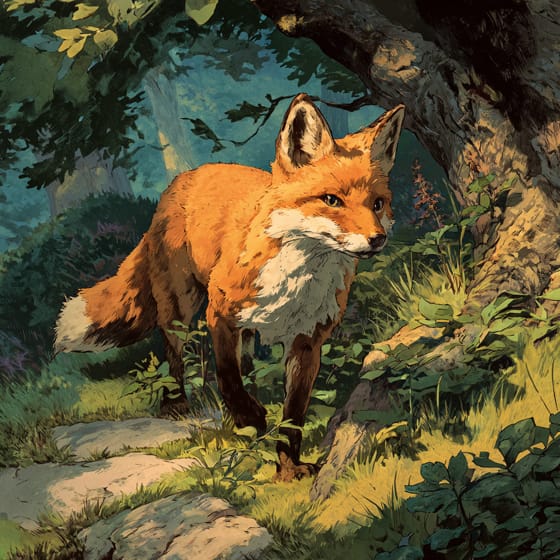
Vulpes vulpes
A common predator of ground squirrels.
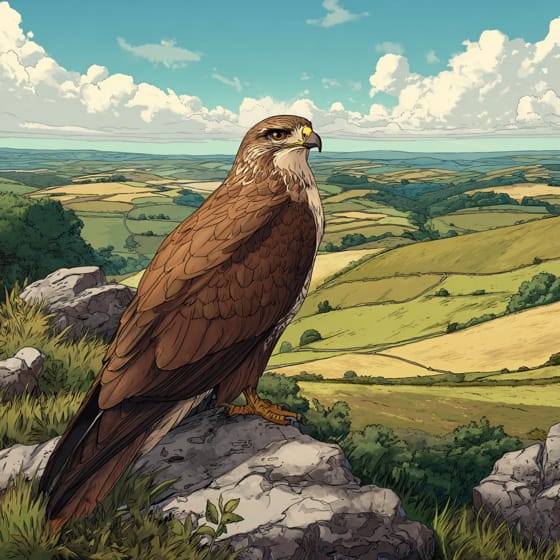
Buteo buteo
A bird of prey that hunts ground squirrels.
Mustela putorius
A nocturnal predator that targets burrows.
Festuca ovina
A primary food source of grasses for them.
Furry describes animals possessing a dense covering of soft hair or fur.
Social animals live in organized groups, cooperating for survival benefits such as foraging, defense, and raising offspring.
Burrowing animals dig tunnels and chambers in the ground, using these subterranean structures for shelter, hunting, or breeding.
Grassland habitats are terrestrial biomes dominated by grasses and herbaceous plants, supporting a variety of grazing animals.

This trait characterizes organisms whose diet consists entirely or primarily of plant material.

Hibernating animals enter a state of metabolic depression during cold periods or when food is scarce, characterized by reduced body temperature and activity.

Diurnal animals are primarily active during daylight hours, typically resting or sleeping at night.
No aliases listed yet.
Danger
1/5 · Very low
Watch from a distance and don't disturb their burrows.
The easiest way to identify European Ground Squirrel is to use the Snappit nature identifier app.
18-24 cm
0.2-0.4 kg
2-4 years
40 km/h
These squirrels munch on various plants, seeds, and insects found in their grassy homes.
Grasslands
Foraging
Zoom in to split clusters and explore where this object has been snapped.
Recent snaps will appear here as new observations are added.
Take the discovery with you
Snap it with Snappit to identify it, learn what makes it special, and add the discovery to your collection.




.jpg&width=800)


.JPG&width=800)
.jpg&width=800)
