





European Shag
Gulosus aristotelis
The European Shag is a sleek, dark bird that loves to dive into the water to catch fish. With its long neck and sharp beak, it is a great swimmer and can often be seen drying its wings on rocks after a swim.
Habitat: Coastal areas
The European Shag has glossy green-black plumage and a distinctive crest of feathers on its head during breeding season. Its face features a yellow patch at the base of its slender, hooked bill, differentiating it from other dark seabirds.
Category
BirdsRarity
Common
Danger
1/5 · Very low
Snaps
Be the first to snap!
After diving, shags often perch with wings spread wide, looking like black crucifixes.
Shags swallow their fish headfirst to prevent scales and fins from getting stuck!
They build nests with seaweed, twigs, and even human rubbish like plastic.
Young shags make a unique croaking sound, very different from adult calls.
European Shag has strong, webbed feet positioned at its rear, allowing them to power through water like torpedoes to chase fish.
European Shag has a strong, hooked bill perfect for grasping slippery fish, ensuring its catches don't escape underwater.
European Shag can squeeze air from its feathers and lungs, letting them control how deep they sink while hunting prey.
These birds are expert underwater hunters, mainly eating small fish and some marine invertebrates.
Ammodytes marinus
A primary food source for shags.
Sprattus sprattus
An important small fish prey species.
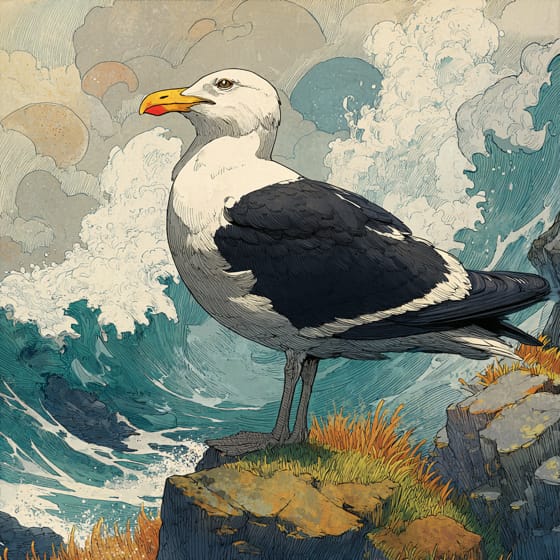
Larus marinus
Preys on shag eggs and chicks.
Feathered describes animals, primarily birds, possessing a covering of feathers.
Characterized by having toes connected by a membrane, typically aiding in swimming.
Social animals live in organized groups, cooperating for survival benefits such as foraging, defense, and raising offspring.
Piscivorous organisms are animals that primarily subsist on a diet of fish.

Coastal habitats are dynamic environments located along the interface between land and sea, influenced by tides, waves, and saltwater.

This trait identifies organisms whose diet consists entirely or primarily of animal tissue.

Diurnal animals are primarily active during daylight hours, typically resting or sleeping at night.

Describes a species whose presence and role have a disproportionately large effect on its environment.

Marine habitats encompass all saltwater environments of the Earth's oceans, supporting an immense diversity of aquatic life.

Migratory animals undertake seasonal movements from one region to another, typically in response to changes in climate or food availability.
Danger
1/5 · Very low
Always watch birds from a distance and don't try to touch them.
The easiest way to identify European Shag is to use the Snappit nature identifier app.
65-80 cm
90-110 cm
1.5-2.2 kg
10-15 years
70 km/h
These birds are expert underwater hunters, mainly eating small fish and some marine invertebrates.
Coastal areas
Zoom in to split clusters and explore where this object has been snapped.
Recent snaps will appear here as new observations are added.
Take the discovery with you
Snap it with Snappit to identify it, learn what makes it special, and add the discovery to your collection.




.jpg&width=800)







