





European swallow-wort
Vincetoxicum rossicum
European swallow-wort is a climbing plant with beautiful green leaves and pretty flowers. It can grow in many places and is known for its unique shape and color.
Habitat: Grasslands
The European swallow-wort is a twining vine with slender stems and dark green, oval leaves arranged in opposite pairs. Its small, star-shaped flowers are reddish-brown to dark purple, often appearing in clusters. These subtle blooms help it blend into dense vegetation.
Category
PlantsRarity
Common
Danger
2/5 · Low
Snaps
6
Its seed pods look like tiny green bananas, but they split open to release hundreds of parachute-like seeds!
Some people call it the 'strangler vine' because it can choke out native plants, changing entire habitats!
This plant can grow super fast, climbing over and smothering other plants like a green blanket!
Unlike many of its relatives in the milkweed family, this plant produces no milky sap when broken!
European swallow-wort can twine its stems around other plants and structures, helping it reach sunlight in crowded environments.
European swallow-wort produces pods that burst open, launching seeds with silky tufts that float on the wind to spread far.
European swallow-wort can release chemicals into the soil that make it harder for other plants to grow nearby, giving it an advantage.
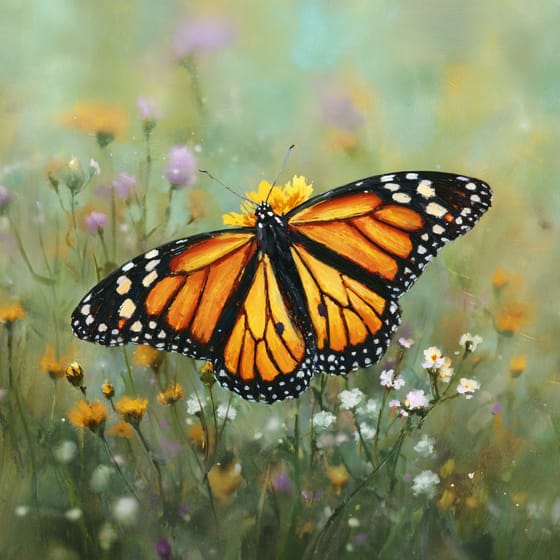
Danaus plexippus
Larvae mistakenly eat leaves, leading to death.
Calliphora vicina
Attracted by its scent, helps flowers reproduce.
Trillium grandiflorum
Outcompetes native wildflowers for light and space.
Climbing or vine plants are characterized by a growth habit that allows them to ascend upwards by twining, tendrils, or adhesive roots.
Flowering plants are any plants that produce flowers as part of their reproductive cycle.
Summer blooming plants produce their flowers during the summer season, often providing vibrant color when many other plants have finished.
Grassland habitats are terrestrial biomes dominated by grasses and herbaceous plants, supporting a variety of grazing animals.

Describes plants that are particularly attractive and beneficial to a wide range of pollinating organisms.

Invasive species are non-native organisms that cause harm to the environment, economy, or human health.
No aliases listed yet.
Danger
2/5 · Low
Don't touch or eat plants unless you know they are safe. Always ask an adult first!
The easiest way to identify European swallow-wort is to use the Snappit nature identifier app.
50-200 cm
50-100 cm
0.5-1 cm
Summer
No
Moderate
Perennial
Zoom in to split clusters and explore where this object has been snapped.

Quebec, CA
You might spot Eastern Gray Squirrel, House Sparrow, and Rock Pigeon.
View guide →

Massachusetts, US
You might spot Common Eastern Bumble Bee and Eastern Gray Squirrel.
View guide →

Connecticut, US
You might spot Common Eastern Bumble Bee and American Nursery Web Spider.
View guide →

New York, US
You might spot Pitch Pine, Great Egret, and Monarch.
View guide →

New York, US
You might spot Eastern Gray Squirrel and Eastern Red-Backed Salamander.
View guide →

New York, US
You might spot Eastern Red-Backed Salamander and Eastern Gray Squirrel.
View guide →
Take the discovery with you
Snap it with Snappit to identify it, learn what makes it special, and add the discovery to your collection.








.jpg&width=800)


_001.jpg&width=800)




