





evening primroses, sundrops, and beeblossoms
Oenothera
Evening primroses, sundrops, and beeblossoms are bright yellow flowers that bloom in the evening. They attract butterflies and bees, making gardens lively and colorful!
Habitat: Grasslands
The evening primroses, sundrops, and beeblossoms display vibrant, cup-shaped flowers, most often bright yellow, but also pink or white. Their blooms typically open during the day or evening, sometimes with prominent stamens, making them visually distinct in meadows.
Category
PlantsRarity
Common
Danger
1/5 · Very low
Snaps
Be the first to snap!
Wow! Some evening primrose flowers can even change color as they get older!
Wow! Their seeds are pressed to make a special oil used for health supplements!
Wow! You can eat the roots, leaves, and seeds of many evening primrose plants!
Wow! You can find Oenothera species growing on every continent except Antarctica!
Evening primroses can open their bright flowers at dusk, guiding night-flying moths with scent and color to their nectar.
Some Oenothera species can unfurl their petals in minutes, quickly preparing for pollinators to visit.
Many evening primroses have a strong taproot that helps them access water and nutrients in dry, poor soils.
Manduca sexta
Visits evening primroses at night.
Apis mellifera
Collects nectar and pollen during the day.
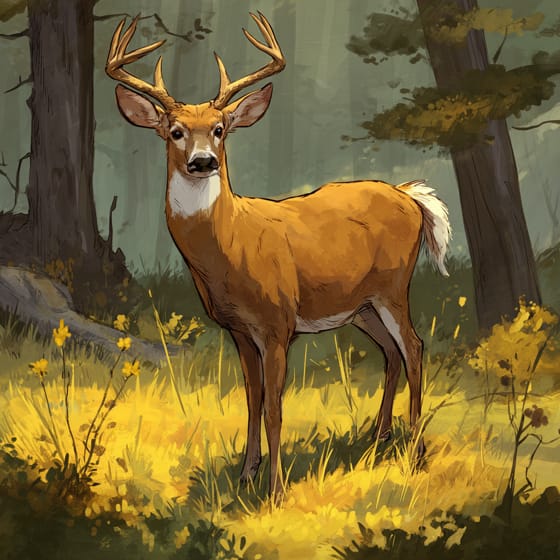
Odocoileus virginianus
Deer sometimes browse on the leaves.
Epilachna borealis
Its leaves are a food source for beetles.
Flowering plants are any plants that produce flowers as part of their reproductive cycle.
Summer blooming plants produce their flowers during the summer season, often providing vibrant color when many other plants have finished.
Medicinal plants possess chemical compounds that can be used for therapeutic purposes to treat illnesses or maintain health.
Night blooming plants open their flowers after sunset, often to attract nocturnal pollinators with their scent and appearance.

Colorful describes organisms or objects displaying a wide range of bright and distinct colors.

Edible plants are those parts of a plant that are considered safe for human consumption.

Grassland habitats are terrestrial biomes dominated by grasses and herbaceous plants, supporting a variety of grazing animals.

Describes plants that are particularly attractive and beneficial to a wide range of pollinating organisms.
Danger
1/5 · Very low
Always look but don't pick flowers, so they can keep growing for everyone to enjoy.
The easiest way to identify evening primroses, sundrops, and beeblossoms is to use the Snappit nature identifier app.
30-150 cm
30-60 cm
2-10 cm
Summer-fall
Yes
None
Biennial
Zoom in to split clusters and explore where this object has been snapped.
Recent snaps will appear here as new observations are added.
Take the discovery with you
Snap it with Snappit to identify it, learn what makes it special, and add the discovery to your collection.








.jpg&width=800)



_001.jpg&width=800)



