.jpg&width=800)





Evergreen Bagworm Moth
Thyridopteryx ephemeraeformis
The Evergreen Bagworm Moth is a small moth that makes a cozy bag out of leaves and silk. It hangs on trees and looks like a little piece of nature, helping it stay safe from predators.
Habitat: Forests
The Evergreen Bagworm Moth is known for the portable, spindle-shaped bag its larva builds from silk and plant bits, camouflaged with twigs and leaves. Adult males are small, dark brown, fuzzy-bodied moths with clear wings. Females are wingless and maggot-like, staying hidden inside the bag.
Category
InsectsRarity
Common
Danger
1/5 · Very low
Snaps
4
Adult male bagworm moths live only a day or two, solely to find a mate!
If disturbed, a bagworm larva will quickly seal the opening of its bag for safety!
The female moth never leaves her bag, not even to lay her hundreds of eggs!
They can eat so many leaves and needles they sometimes harm evergreen trees.
Evergreen Bagworm Moth larvae can weave intricate bags from silk and plant materials that help them hide from predators.
Evergreen Bagworm Moth can attach bits of leaves and twigs to its silk bag, making it blend perfectly into its surroundings.
Evergreen Bagworm Moth larvae build a mobile shelter that they carry everywhere, providing constant protection as they feed.
Larvae munch on leaves and needles from many trees, especially evergreens.
Age differences: Adult moths do not feed, while larvae are voracious eaters of plant material.

Juniperus virginiana
Larvae consume needles of this conifer.
Thuja occidentalis
A common food source for bagworm larvae.
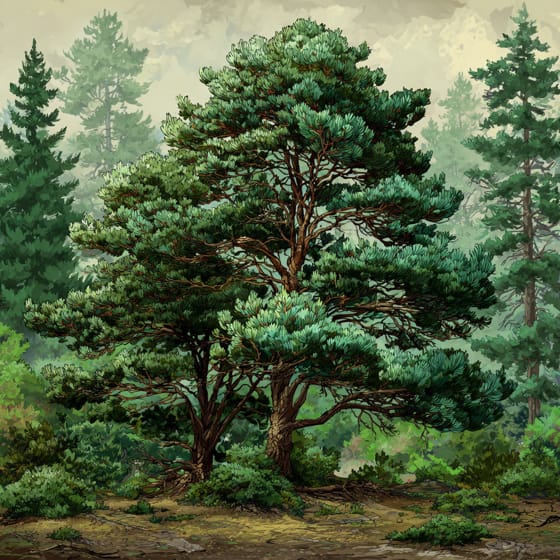
Pinus strobus
Bagworms feed on the needles, potentially causing damage.
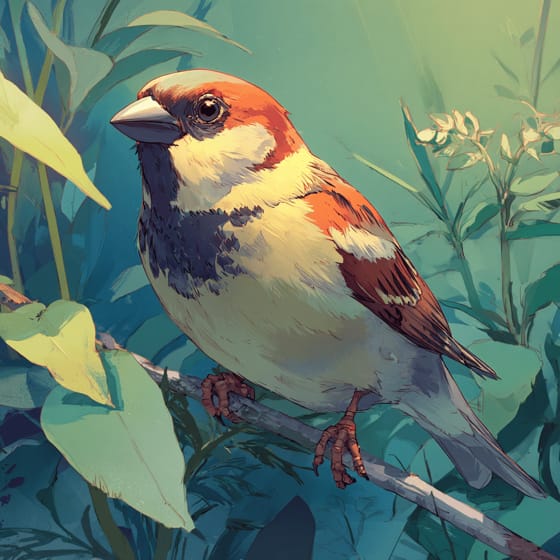
Passer domesticus
Birds sometimes pick larvae from their bags.
Solitary animals live alone for most of their lives, only interacting with others for mating or parental care.
This trait characterizes organisms that construct elaborate silken webs for catching prey, shelter, or reproduction.
Camouflaged describes organisms that possess coloring or patterns that allow them to blend into their environment.
This trait characterizes organisms whose diet consists entirely or primarily of plant material.

Forest habitats are terrestrial environments dominated by dense tree cover, supporting a high diversity of plant and animal life.

Pertaining to species that are significantly smaller than typical or average for their kind.

Nocturnal animals are primarily active during the nighttime hours, typically resting or sleeping during the day.

Endangered status indicates a species is at a very high risk of extinction in the wild in the near future.
No aliases listed yet.
Danger
1/5 · Very low
Don't touch moths or their bags, as they can be delicate and need to stay safe.
The easiest way to identify Evergreen Bagworm Moth is to use the Snappit nature identifier app.
20-25 mm
38-50 mm
300-365 days
Larvae munch on leaves and needles from many trees, especially evergreens.
Forests
Foraging
6
Zoom in to split clusters and explore where this object has been snapped.

Michigan, US
You might spot Eastern Gray Squirrel, Tree-Of-Heaven, and House Sparrow.
View guide →

Michigan, US
You might spot Eastern Gray Squirrel, Rock Pigeon, and House Sparrow.
View guide →

Illinois, US
You might spot Beluga Whale, Pacific White-Sided Dolphin, and Sea Otter.
View guide →
Illinois, US
You might spot Beluga Whale, Pacific White-Sided Dolphin, and Sea Otter.
View guide →

Virginia, US
You might spot Eastern Box Turtle and Carolina Horsenettle.
View guide →

Ohio, US
You might spot Common Whitetail, Fragile Forktail, and Blue Dasher.
View guide →
Take the discovery with you
Snap it with Snappit to identify it, learn what makes it special, and add the discovery to your collection.








.jpg&width=800)



