





Fall Cankerworm Moth
Alsophila pometaria
The Fall Cankerworm Moth is a small moth that comes out in the fall. It has soft wings and is often seen fluttering around trees, especially apple trees!
Habitat: Forests
The Fall Cankerworm Moth's male has mottled, brownish-gray forewings and lighter hindwings, sometimes with a darker band. Females are distinctively wingless, with a small, spider-like gray body, often resembling a tiny knot on a tree branch.
Category
InsectsRarity
Common
Danger
1/5 · Very low
Snaps
1
Mass outbreaks of caterpillars can completely strip forests bare of leaves!
Only male Fall Cankerworm Moths have wings and can fly!
Their caterpillars are called 'inchworms' because of their unique looping walk.
Wingless females crawl up trees to lay their eggs in the canopy!
Fall Cankerworm Moth caterpillars can drop from trees on a silk thread to escape predators or move to new leaves.
Their caterpillars can vary in color from green to brown, allowing them to perfectly blend in with twigs and leaves.
Female Fall Cankerworm Moths are unique because they have no wings, which helps them conserve energy to crawl up trees.
As caterpillars, they munch on tree leaves; adults don't need to eat!
Age differences: Caterpillars are voracious leaf-eaters, while adult moths do not feed.
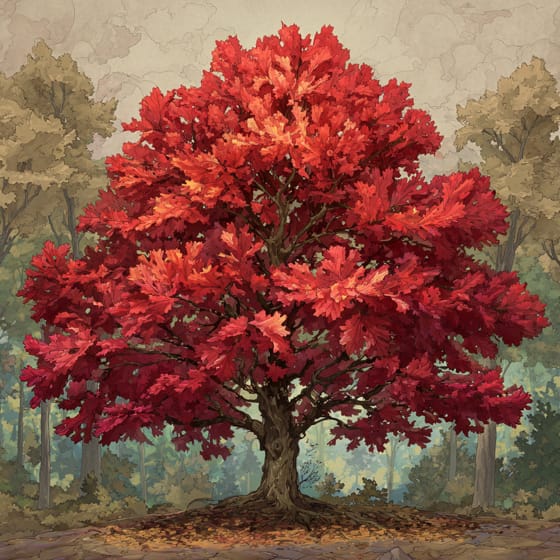
Quercus rubra
Caterpillars feed on its leaves during spring.
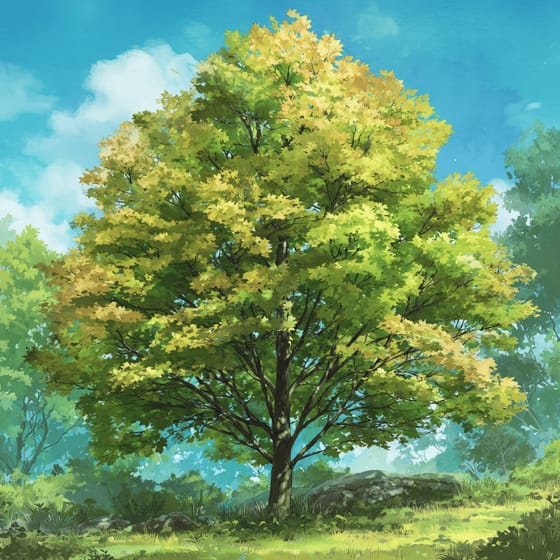
Acer saccharum
Caterpillars are known to defoliate its leaves.
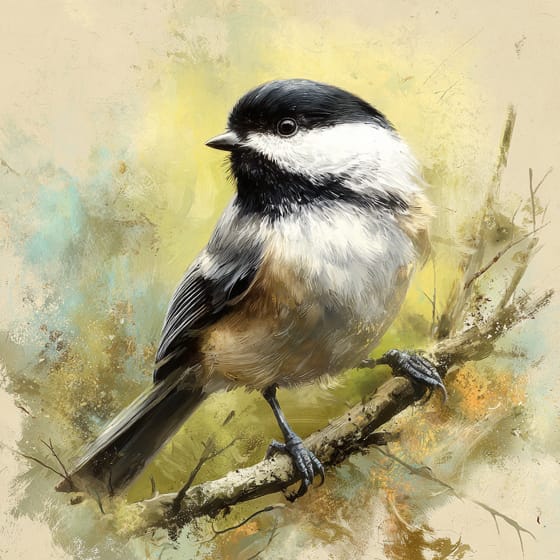
Parus atricapillus
Birds prey on both cankerworm caterpillars and adult moths.
Telenomus alsophilae
Tiny wasps lay eggs inside cankerworm moth eggs.
Furry describes animals possessing a dense covering of soft hair or fur.
Solitary animals live alone for most of their lives, only interacting with others for mating or parental care.
Camouflaged describes organisms that possess coloring or patterns that allow them to blend into their environment.
This trait characterizes organisms whose diet consists entirely or primarily of plant material.

Forest habitats are terrestrial environments dominated by dense tree cover, supporting a high diversity of plant and animal life.

Nocturnal animals are primarily active during the nighttime hours, typically resting or sleeping during the day.

Describes organisms that transfer pollen, enabling the fertilization and reproduction of plants.
No aliases listed yet.
Danger
1/5 · Very low
It's best to watch these moths from a distance and not touch them.
The easiest way to identify Fall Cankerworm Moth is to use the Snappit nature identifier app.
25-35 mm
7-15 mm
7-21 days
5 km/h
As caterpillars, they munch on tree leaves; adults don't need to eat!
Forests
Foraging
Zoom in to split clusters and explore where this object has been snapped.
Take the discovery with you
Snap it with Snappit to identify it, learn what makes it special, and add the discovery to your collection.








.jpg&width=800)



