.jpg&width=800)





Field Crescent
Phyciodes pulchella
The Field Crescent is a beautiful butterfly with orange and black patterns on its wings. It loves to flutter around in sunny fields and gardens, bringing joy to everyone who sees it.
Habitat: Grasslands
The Field Crescent is a small to medium butterfly with vibrant orange wings bordered and patterned with black lines and spots. Its underside is mottled with oranges, browns, and creams, often featuring a distinct white crescent mark on the hindwing. This pattern helps it blend into bark and dried leaves.
Category
InsectsRarity
Common
Danger
1/5 · Very low
Snaps
2
Did you know its caterpillars are spiky to ward off hungry birds? Wow!
Some Field Crescents fly hundreds of miles to new homes during their lives! Wow!
These butterflies are called 'brush-footed' for tiny hair brushes on their front legs! Wow!
They taste with their feet to find the perfect plants for laying their eggs! Wow!
Field Crescent has intricate wing patterns that help them blend into their surroundings when resting on plants or bark.
Field Crescent can unfurl a long, straw-like proboscis to sip sweet nectar deep from various flowers with ease.
Field Crescent can develop quickly from egg to adult, allowing for multiple generations within a single warm season.
This butterfly sips nectar from flowers for energy, while its caterpillars munch on plant leaves.
Age differences: Larvae (caterpillars) eat plant leaves, while adults drink nectar from flowers.
.jpg&width=800)
Symphyotrichum novae-angliae
Larvae feed on its leaves
Solidago canadensis
Adults visit for nectar
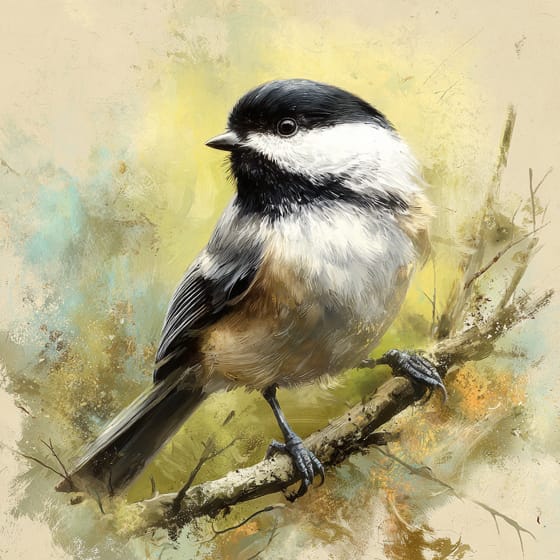
Poecile atricapillus
Birds prey on adults
Solitary animals live alone for most of their lives, only interacting with others for mating or parental care.
Colorful describes organisms or objects displaying a wide range of bright and distinct colors.
Grassland habitats are terrestrial biomes dominated by grasses and herbaceous plants, supporting a variety of grazing animals.
This trait characterizes organisms whose diet consists entirely or primarily of plant material.

Describes plants that are particularly attractive and beneficial to a wide range of pollinating organisms.

Diurnal animals are primarily active during daylight hours, typically resting or sleeping at night.

Describes organisms that transfer pollen, enabling the fertilization and reproduction of plants.
No aliases listed yet.
Danger
1/5 · Very low
Always watch butterflies from a distance and don't try to catch them.
The easiest way to identify Field Crescent is to use the Snappit nature identifier app.
25-40 mm
15-20 mm
7-21 days
15 km/h
This butterfly sips nectar from flowers for energy, while its caterpillars munch on plant leaves.
Grasslands
Foraging
Zoom in to split clusters and explore where this object has been snapped.

Montana, US
You might spot Great Blanketflower and Seven-Spotted Lady Beetle.
View guide →

Washington, US
You might spot Whitebark Pine, Subalpine Larch, and White Pasqueflower.
View guide →

British Columbia, CA
You might spot White Pasqueflower and Columbian Ground Squirrel.
View guide →

Montana, US
You might spot Field Crescent, Thimbleberry, and Baker's Mariposa Lily.
View guide →
.jpg)
California, US
You might spot California Phacelia and Twinberry Honeysuckle.
View guide →
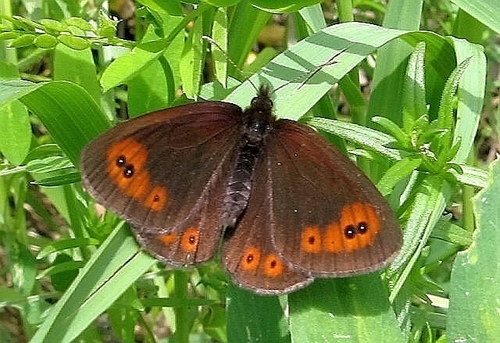
British Columbia, CA
You might spot Common Alpine, Common Juniper, and Field Chickweed.
View guide →
Take the discovery with you
Snap it with Snappit to identify it, learn what makes it special, and add the discovery to your collection.






.jpg&width=800)



