





field mustard
Brassica rapa
Field mustard is a bright yellow flower that grows in fields and gardens. It has small, pretty flowers and is loved by bees and butterflies!
Habitat: Grasslands
The field mustard has slender green stems that can be smooth or slightly hairy, supporting bright clusters of small, four-petaled yellow flowers. Its lower leaves are deeply lobed and often hairy, differing from the smoother, stem-clasping upper leaves.
Category
PlantsRarity
Common
Danger
1/5 · Very low
Snaps
1
Did you know the plant that gives us turnips, bok choy, and rapeseed oil is a type of field mustard?
Honeybees absolutely love its bright yellow flowers, buzzing around to collect its sweet nectar.
Its tiny seeds can stay alive in the soil for decades, waiting for the perfect time to sprout!
Some field mustard plants can grow taller than a kid, reaching over three feet high!
Field mustard can grow very quickly and produce many seeds, which helps it colonize disturbed areas like fields and roadsides fast.
Field mustard has special compounds called mustard oils that give it a peppery taste, helping to deter some hungry animals from eating it.
Field mustard produces thousands of tiny seeds per plant, ensuring that many more can grow the next year.
Apis mellifera
collects nectar and pollen from flowers
Pieris rapae
caterpillars feed on its leaves
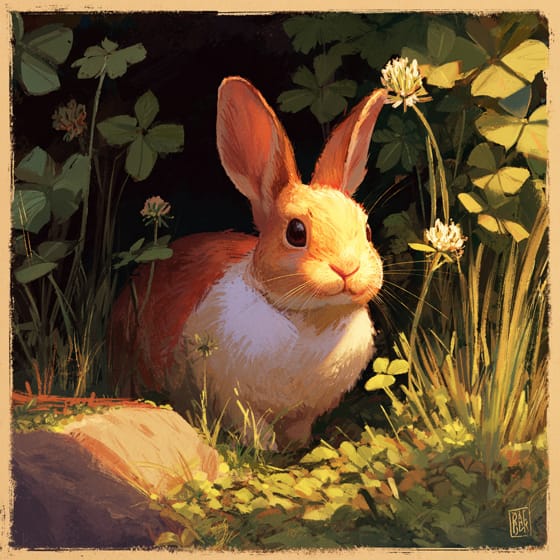
Oryctolagus cuniculus
grazes on the leaves and stems
Flowering plants are any plants that produce flowers as part of their reproductive cycle.
Biennial plants complete their life cycle over two growing seasons, typically forming foliage in the first year and flowering/seeding in the second.
Spring blooming plants produce their flowers during the spring season, often signifying the end of winter and the start of new growth.
This human use trait describes species cultivated or domesticated by humans for agricultural purposes, including crops and livestock.

Edible plants are those parts of a plant that are considered safe for human consumption.

Grassland habitats are terrestrial biomes dominated by grasses and herbaceous plants, supporting a variety of grazing animals.

Describes plants that are particularly attractive and beneficial to a wide range of pollinating organisms.

Rapid growing plants exhibit accelerated growth rates, quickly increasing in size and biomass within a short period.
No aliases listed yet.
Danger
1/5 · Very low
Always check with an adult before picking any plants.
The easiest way to identify field mustard is to use the Snappit nature identifier app.
30-100 cm
15-45 cm
0.5-1.5 cm
Spring to early summer
Yes
None
Annual
Zoom in to split clusters and explore where this object has been snapped.
Take the discovery with you
Snap it with Snappit to identify it, learn what makes it special, and add the discovery to your collection.









.jpg&width=800)



_001.jpg&width=800)



