





Field Vole
Microtus agrestis
Field voles are small, furry animals that live in fields and meadows. They have tiny eyes and ears, and they love to dig tunnels in the grass to stay safe and find food.
Habitat: Grasslands
The Field Vole has a stocky body with short legs, a blunt snout, and small eyes and ears that are almost hidden by its shaggy fur. Its coat is typically reddish-brown on its back, fading to greyish-white underneath. Unlike mice, it has a short tail, usually less than half its body length.
Category
MammalsRarity
Common
Danger
1/5 · Very low
Snaps
Be the first to snap!
A single female Field Vole can have up to 7 litters of babies in one year!
Field Voles never hibernate, staying active even under a blanket of winter snow!
Their front teeth grow continuously throughout their entire life!
They create intricate tunnel systems, called 'vole runs', hidden beneath tall grass.
Field Voles have a strong sense of smell that helps them navigate their complex network of underground tunnels.
Field Voles can reproduce very quickly because of a short gestation period, helping their population bounce back fast.
Field Voles have brown, shaggy fur that helps them blend perfectly into grassy fields, hiding them from predators.
These small herbivores enjoy a plant-based diet, munching on grasses and other plant parts.

Tyto alba
Barn Owls frequently hunt voles as a primary food source.
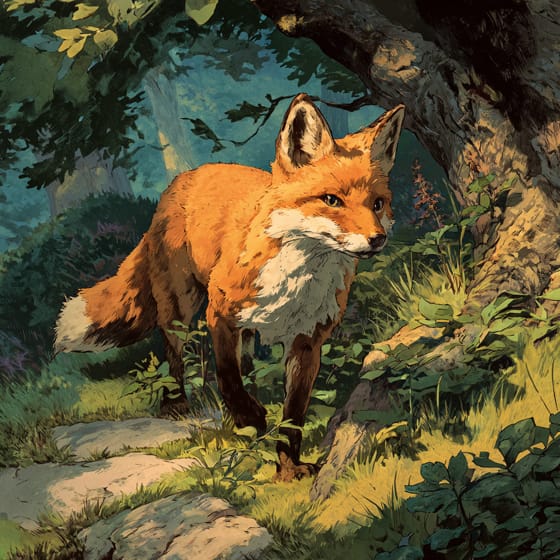
Vulpes vulpes
Red Foxes are common predators, hunting voles in fields.
Mustela nivalis
Weasels are efficient hunters of small mammals like voles.

Poa pratensis
Voles graze on abundant grasses like this common species.
Furry describes animals possessing a dense covering of soft hair or fur.
Social animals live in organized groups, cooperating for survival benefits such as foraging, defense, and raising offspring.
Burrowing animals dig tunnels and chambers in the ground, using these subterranean structures for shelter, hunting, or breeding.
Grassland habitats are terrestrial biomes dominated by grasses and herbaceous plants, supporting a variety of grazing animals.

This trait characterizes organisms whose diet consists entirely or primarily of plant material.

This trait identifies organisms that exhibit exceptional swiftness in movement for hunting, escape, or travel.
No aliases listed yet.
Danger
1/5 · Very low
If you see a field vole, watch quietly from a distance and don't try to touch it.
The easiest way to identify Field Vole is to use the Snappit nature identifier app.
8-13 cm
0.015-0.05 kg
0.5-2 years
10 km/h
These small herbivores enjoy a plant-based diet, munching on grasses and other plant parts.
Grasslands
Foraging
Zoom in to split clusters and explore where this object has been snapped.
Recent snaps will appear here as new observations are added.
Take the discovery with you
Snap it with Snappit to identify it, learn what makes it special, and add the discovery to your collection.




.jpg&width=800)



.JPG&width=800)
.jpg&width=800)
