





Flat-headed Snake
Tantilla gracilis
The Flat-headed Snake is a small, gentle snake that loves to hide under rocks and leaves. It has a flat head that helps it squeeze into tight spaces and stay safe from predators.
Habitat: Grasslands
The Flat-headed Snake is a small, slender reptile with a distinctive flattened head and a dark cap-like marking. Its body is typically a uniform reddish-brown or tan, contrasting with its darker head and pale belly.
Category
ReptilesRarity
Common
Danger
1/5 · Very low
Snaps
1
A flat-headed snake could easily coil up and fit inside a child's hand!
Their special flat heads help them dig through tight spaces like expert miners!
They spend most of their lives hidden beneath rocks, logs, or deep in soil!
This tiny snake's venom is harmless to humans, only affecting its small prey!
Flat-headed Snake can inject mild venom to subdue tiny prey like centipedes, making capture quick and effective.
Flat-headed Snake has excellent senses for detecting prey underground, allowing them to hunt effectively in the dark.
This little snake mostly eats tiny invertebrates found underground.
Scolopendra viridis
A primary food source for the snake.
Coluber constrictor
Larger snakes sometimes prey on them.
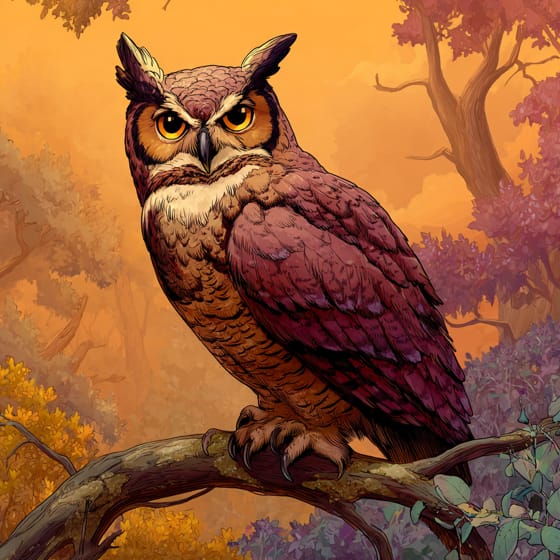
Bubo virginianus
Nocturnal birds of prey hunt these snakes.
Solitary animals live alone for most of their lives, only interacting with others for mating or parental care.
Burrowing animals dig tunnels and chambers in the ground, using these subterranean structures for shelter, hunting, or breeding.
Camouflaged describes organisms that possess coloring or patterns that allow them to blend into their environment.
Grassland habitats are terrestrial biomes dominated by grasses and herbaceous plants, supporting a variety of grazing animals.

This trait identifies organisms whose diet primarily consists of insects and other small invertebrates.

Describes organisms that break down dead organic material, recycling nutrients back into the ecosystem.

Pertaining to species that are significantly smaller than typical or average for their kind.
No aliases listed yet.
Danger
1/5 · Very low
If you see a snake, it's best to watch from a distance and not touch it.
The easiest way to identify Flat-headed Snake is to use the Snappit nature identifier app.
15-25 cm
0.005-0.015 kg
5-8 years
0.5 km/h
This little snake mostly eats tiny invertebrates found underground.
Grasslands
Foraging
Zoom in to split clusters and explore where this object has been snapped.
Take the discovery with you
Snap it with Snappit to identify it, learn what makes it special, and add the discovery to your collection.















