Florida pompano
Trachinotus carolinus
The Florida pompano is a shiny, silver fish that loves to swim in warm ocean waters. It has a flat body and is known for being delicious to eat!
Habitat: Coastal areas
The Florida pompano has a shimmering silver body with a distinct gold-yellow belly and a deeply forked, bright yellow tail. Its body is flattened and oval-shaped, making it appear sleek and fast as it glides through the water, looking different from rounder reef fish.
Category
FishRarity
Common
Danger
1/5 · Very low
Snaps
4
Pompano eggs float freely in the open ocean until they hatch into new fish.
Pompano scales are so tiny, their skin feels incredibly smooth to the touch!
Their scientific name, Trachinotus carolinus, means 'rough back' in Greek!
They sometimes leap right out of the waves, like tiny silver rockets!
Florida pompano can rapidly bury themselves in sand because of their streamlined body, which helps them hide from predators.
Florida pompano has a powerful, deeply forked tail that helps them achieve bursts of speed for hunting prey and escaping danger.
Florida pompano can spit jets of water at the sandy bottom to dislodge and uncover hidden prey, an amazing hunting trick!
Florida pompano mainly eat tiny crabs, small mollusks, and other small invertebrates from the ocean floor.
Age differences: Young pompano eat smaller plankton and tiny crustaceans, while adults switch to larger crabs and mollusks.
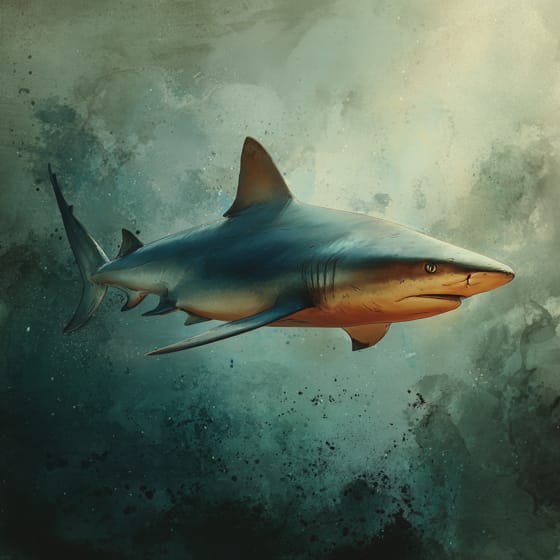
Carcharhinus leucas
A top predator in coastal waters.
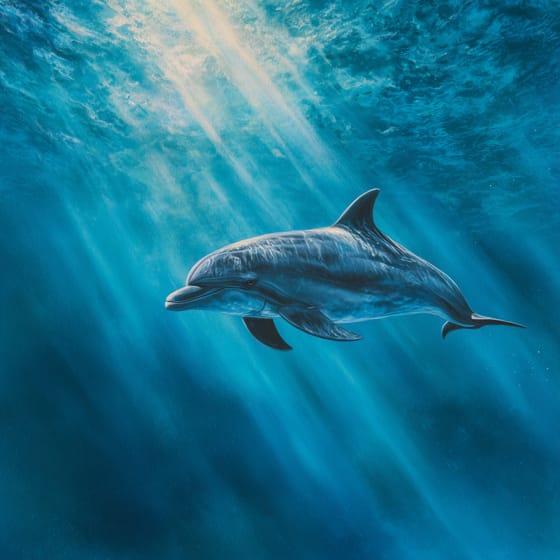
Tursiops truncatus
Fast marine mammal hunting fish.
Scomberomorus maculatus
Predatory fish in open water.
Emerita talpoida
Digs in sand, a favorite food.
Donax variabilis
Small bivalves living in surf.
Social animals live in organized groups, cooperating for survival benefits such as foraging, defense, and raising offspring.
Camouflaged describes organisms that possess coloring or patterns that allow them to blend into their environment.
Colorful describes organisms or objects displaying a wide range of bright and distinct colors.
Piscivorous organisms are animals that primarily subsist on a diet of fish.

Coastal habitats are dynamic environments located along the interface between land and sea, influenced by tides, waves, and saltwater.

This trait identifies organisms whose diet consists entirely or primarily of animal tissue.

Diurnal animals are primarily active during daylight hours, typically resting or sleeping at night.

This trait identifies organisms that exhibit exceptional swiftness in movement for hunting, escape, or travel.

Marine habitats encompass all saltwater environments of the Earth's oceans, supporting an immense diversity of aquatic life.
No aliases listed yet.
Danger
1/5 · Very low
Always be careful near the water and ask an adult before going swimming.
The easiest way to identify Florida pompano is to use the Snappit nature identifier app.
30-64 cm
0.5-3.6 kg
3-7 years
Florida pompano mainly eat tiny crabs, small mollusks, and other small invertebrates from the ocean floor.
40 km/h
Coastal areas
Foraging
Zoom in to split clusters and explore where this object has been snapped.
Take the discovery with you
Snap it with Snappit to identify it, learn what makes it special, and add the discovery to your collection.