Florida Red-bellied Cooter
Pseudemys nelsoni
The Florida Red-bellied Cooter is a friendly turtle with a bright red belly! They love to swim in warm waters and bask in the sun on logs. These turtles are great at hiding in their shells when they feel scared.
Habitat: Wetlands
The Florida Red-bellied Cooter has a dark, oval-shaped upper shell, often greenish-brown or black, with light markings near the scutes. Its most distinctive feature is its striking red or orange-red belly (plastron), which contrasts sharply with its dark skin and head adorned with yellow stripes.
Category
ReptilesRarity
Common
Danger
1/5 · Very low
Snaps
6
Baby cooter's sex is decided by the nest's temperature, not by genes!
Sometimes, Florida Red-bellied Cooters stack up on logs to get the best sun!
Their tough shell is part of their backbone, protecting them like a bony suit!
They help keep waterways clean by nibbling on algae and aquatic plants!
Florida Red-bellied Cooter has a hard, bony shell that helps them protect against many predators and environmental threats.
Florida Red-bellied Cooter can absorb warmth from the sun by basking, because it helps them regulate their body temperature.
Florida Red-bellied Cooter can glide through water efficiently with webbed feet, helping them find food and escape danger.
Mostly plants and algae, with some insects and fish for extra protein.
Age differences: Young cooters eat more insects and protein, shifting to a mostly plant-based diet as adults.
Social animals live in organized groups, cooperating for survival benefits such as foraging, defense, and raising offspring.
This trait identifies organisms whose diet includes both plant and animal matter.
Camouflaged describes organisms that possess coloring or patterns that allow them to blend into their environment.
Colorful describes organisms or objects displaying a wide range of bright and distinct colors.

This trait characterizes organisms whose diet consists entirely or primarily of plant material.

This trait characterizes organisms with an exceptionally long lifespan compared to others of their kind.

This habitat trait identifies species found in wetlands, which are areas of land saturated with water, either permanently or seasonally, including marshes, swamps, and bogs.

Diurnal animals are primarily active during daylight hours, typically resting or sleeping at night.

Aquatic habitats encompass environments where organisms live predominantly in water, including oceans, rivers, lakes, and wetlands.

Endangered status indicates a species is at a very high risk of extinction in the wild in the near future.
No aliases listed yet.
Danger
1/5 · Very low
Always watch turtles from a distance and never try to touch or pick them up.
The easiest way to identify Florida Red-bellied Cooter is to use the Snappit nature identifier app.
25-37 cm
1-4 kg
20-40 years
1 km/h
Mostly plants and algae, with some insects and fish for extra protein.
2 km/h
Wetlands
Zoom in to split clusters and explore where this object has been snapped.

Florida, US
You might spot White Ibis, Green Iguana, and Black-Crowned Night Heron.
View guide →
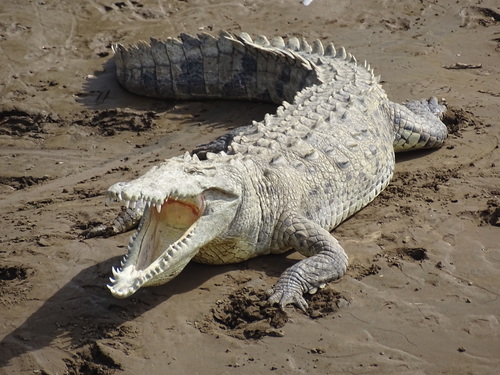
Florida, US
You might spot American Crocodile and American Alligator.
View guide →

Florida, US
You might spot Anhinga, American Alligator, and Wood Duck.
View guide →

Valencian Community, ES
You might spot African Lion, Giraffes, and African Elephant.
View guide →
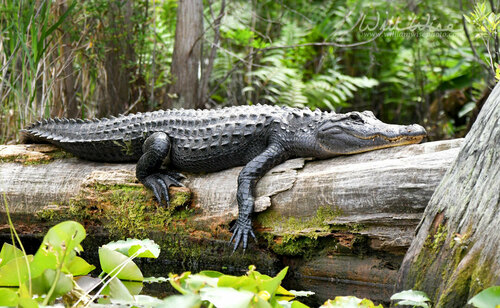
Florida, US
You might spot American Alligator, Common Gallinule, and Brown Anole.
View guide →
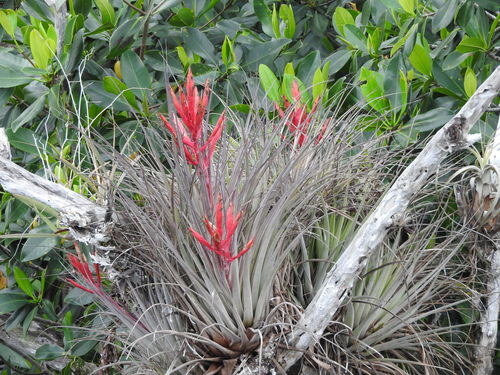
Florida, US
You might spot Tillandsia Fasciculata, Red Mangrove, and Giant Airplant.
View guide →
Take the discovery with you
Snap it with Snappit to identify it, learn what makes it special, and add the discovery to your collection.