





Nose-horned Viper
Vipera ammodytes
The Nose-horned Viper is a special snake with a little horn on its nose! It has beautiful patterns on its skin and is mostly found in warm places. This snake is shy and likes to hide among rocks and bushes.
Habitat: Mountain regions
The Nose-horned Viper has a distinctive, soft, upward-pointing "horn" on its snout, making it easily recognizable. Its body color varies from grey to reddish-brown, typically displaying a prominent dark zig-zag pattern along its back and dark V-shaped head markings.
Category
ReptilesRarity
Common
Danger
4/5 · High
Snaps
Be the first to snap!
Nose-horned Vipers give birth to live baby snakes, not laying eggs like many others!
These sneaky snakes can sometimes climb into low bushes to bask in the sun!
They are considered Europe's most venomous snake, making them super dangerous!
This viper has a soft, flexible "horn" on its nose, not a hard bone!
Nose-horned Viper has a unique, flexible 'horn' on its snout that helps it sense vibrations and navigate its rocky habitat.
Nose-horned Viper can deliver a powerful hemotoxic venom through its fangs that quickly immobilizes its prey.
Nose-horned Viper has patterned skin that helps it blend perfectly into rocky surroundings, allowing it to ambush prey.
Eats small mammals, birds, and lizards, striking quickly with venom.
Age differences: Young mainly eat small lizards and insects, while adults hunt larger prey.
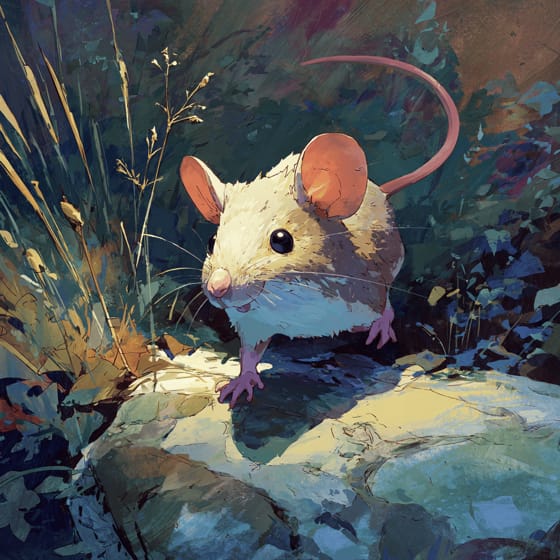
Mus musculus
A common rodent prey item for the viper.
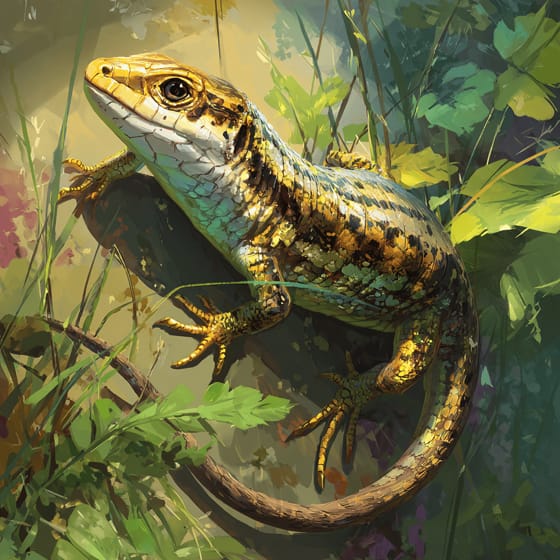
Podarcis muralis
Frequently preyed upon, especially by younger vipers.
Circaetus gallicus
A specialized raptor that preys on snakes, including vipers.
%2C_Parc_de_Woluw%C3%A9%2C_Brussels_(13042792905).jpg&width=800)
Parus major
Small birds are sometimes part of an adult viper's diet.
Marked with spots or patches of a different color.
Solitary animals live alone for most of their lives, only interacting with others for mating or parental care.
Characterized by having one or more hard, permanent, pointed projections on the head.
Camouflaged describes organisms that possess coloring or patterns that allow them to blend into their environment.

Colorful describes organisms or objects displaying a wide range of bright and distinct colors.

This habitat trait identifies species found in mountainous regions, characterized by high elevation, steep slopes, and varying climate zones.

An ambush predator hunts by patiently waiting and concealing itself, then launching a sudden attack when unsuspecting prey comes within range.

This trait identifies organisms whose diet consists entirely or primarily of animal tissue.

Venomous organisms produce toxins that are injected into another animal, typically through a bite or sting.

Endangered status indicates a species is at a very high risk of extinction in the wild in the near future.
Danger
4/5 · High
If you see a snake, it's best to stay back and watch from a distance. Never try to touch or pick it up.
The easiest way to identify Nose-horned Viper is to use the Snappit nature identifier app.
60-100 cm
0.1-0.3 kg
10-18 years
7 km/h
Eats small mammals, birds, and lizards, striking quickly with venom.
Mountain regions
Ambush
Zoom in to split clusters and explore where this object has been snapped.
Recent snaps will appear here as new observations are added.
Take the discovery with you
Snap it with Snappit to identify it, learn what makes it special, and add the discovery to your collection.














