





Common Sagebrush Lizard
sceloporus graciosus
The Common Sagebrush Lizard is a small and colorful lizard that loves to bask in the sun! With its amazing ability to change colors, it can blend into its surroundings and avoid predators.
Habitat: They live in sagebrush deserts and dry grasslands across the western United States.
The Common Sagebrush Lizard is typically gray, tan, or brown with dark blotches or stripes that help it blend in. Males often display vibrant blue patches on their throat and belly, especially during breeding season. Its scales are granular, giving it a somewhat rough appearance.
Category
ReptilesRarity
Common
Danger
0/5 · No known danger
Snaps
3
Each sagebrush lizard has unique markings, just like human fingerprints!
They swallow sand to help digest their food and get important minerals!
This lizard can do push-ups to show off to other lizards!
To warm up, they angle their bodies perfectly to catch the sun's rays!
Common Sagebrush Lizard can blend perfectly into its rocky and sandy surroundings because of its mottled skin patterns that help them hide from predators.
Common Sagebrush Lizard can detach its tail when caught by a predator, because the wiggling tail distracts the attacker, allowing them to escape.
Common Sagebrush Lizard has special eyes that can see ultraviolet light, which helps them find food and spot other lizards.
Mostly eats small insects and spiders, but will snack on plants and even other tiny lizards!
Formica fusca
A common prey item for young lizards.
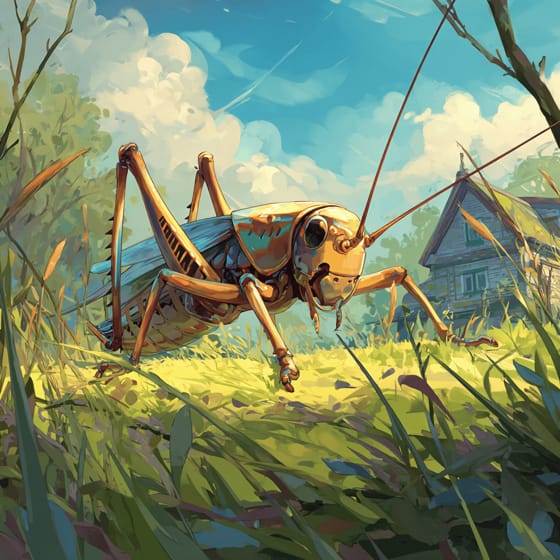
Acheta domesticus
A common insect prey in its habitat.

Crotalus viridis
A primary predator of these small lizards.
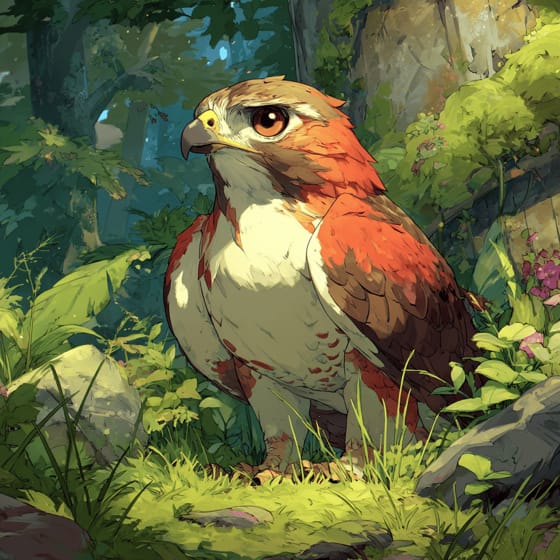
Buteo jamaicensis
Hunts lizards from the sky.
Solitary animals live alone for most of their lives, only interacting with others for mating or parental care.
Camouflaged describes organisms that possess coloring or patterns that allow them to blend into their environment.
Colorful describes organisms or objects displaying a wide range of bright and distinct colors.
This trait identifies organisms whose diet consists entirely or primarily of animal tissue.

Diurnal animals are primarily active during daylight hours, typically resting or sleeping at night.
Danger
0/5 · No known danger
No special safety notes yet.
The easiest way to identify Common Sagebrush Lizard is to use the Snappit nature identifier app.
10-20 cm
0.002-0.01 kg
2-5 years
18 km/h
Mostly eats small insects and spiders, but will snack on plants and even other tiny lizards!
They live in sagebrush deserts and dry grasslands across the western United States.
Ambush
Zoom in to split clusters and explore where this object has been snapped.

Utah, US
You might spot Common Golden-Mantled Ground Squirrel and Steller's Jay.
View guide →

Utah, US
You might spot Common Golden-Mantled Ground Squirrel and Steller's Jay.
View guide →

California, US
You might spot Greasewood, Osprey, and Alkali Fly.
View guide →

Montana, US
You might spot Bighorn Sheep and Curlleaf Mountain Mahogany.
View guide →

Nevada, US
You might spot Plains Pricklypear and Western Fence Lizard.
View guide →

California, US
You might spot Snowplant and Douglas's Squirrel.
View guide →
Take the discovery with you
Snap it with Snappit to identify it, learn what makes it special, and add the discovery to your collection.













