





Hydrilla
Hydrilla verticillata
Hydrilla is a green plant that grows underwater in lakes and ponds. It has long, thin leaves and can grow very quickly, making it a great home for fish and other water animals.
Habitat: Wetlands
The Hydrilla is a submerged aquatic plant with slender stems and small, bright green leaves arranged in whorls of 3-8 around the stem. Its leaves often have tiny, serrated edges, making them feel slightly rough, and sometimes a reddish midrib.
Category
PlantsRarity
Common
Danger
1/5 · Very low
Snaps
Be the first to snap!
A single Hydrilla fragment, as small as a fingertip, can start a whole new plant!
Hydrilla can produce tiny, wind-pollinated male flowers that break off and float to the surface!
It can grow so densely that it blocks sunlight, stopping other plants from growing below it.
This plant can dramatically change the water chemistry in lakes, impacting fish and other creatures!
Hydrilla can grow from tiny stem fragments, allowing it to quickly spread and colonize new aquatic areas.
Hydrilla produces special buds called 'turions' that survive cold winters, helping it regrow vigorously in spring.
Hydrilla can thrive in low light conditions, letting it grow in deeper waters where other plants can't survive.
Trichechus manatus
Manatees graze on dense Hydrilla beds, helping to control its growth.
Anas platyrhynchos
Ducks and other waterfowl consume Hydrilla foliage and turions as food.
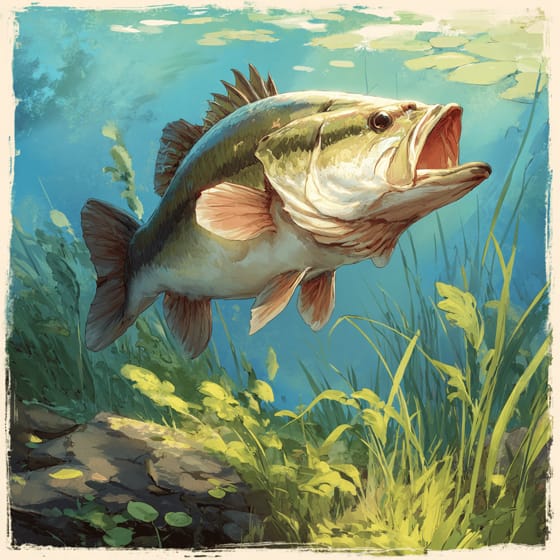
Micropterus salmoides
Young fish find excellent hiding spots and hunting grounds within Hydrilla mats.
Flowering plants are any plants that produce flowers as part of their reproductive cycle.
Grass-like plants are herbaceous plants that visually resemble true grasses, typically having long, narrow leaves.
Shade tolerant plants are adapted to grow and thrive in areas with low light levels, requiring less direct sunlight.
Evergreen plants retain their foliage throughout the year, never shedding all their leaves at once.

Rapid growing plants exhibit accelerated growth rates, quickly increasing in size and biomass within a short period.

This habitat trait identifies species found in wetlands, which are areas of land saturated with water, either permanently or seasonally, including marshes, swamps, and bogs.

Freshwater habitats include non-saline aquatic environments such as rivers, lakes, ponds, and wetlands, vital for numerous species.

Describes a species whose presence and role have a disproportionately large effect on its environment.

Aquatic habitats encompass environments where organisms live predominantly in water, including oceans, rivers, lakes, and wetlands.

Invasive species are non-native organisms that cause harm to the environment, economy, or human health.
No aliases listed yet.
Danger
1/5 · Very low
Always stay close to an adult when exploring water areas.
The easiest way to identify Hydrilla is to use the Snappit nature identifier app.
10-1000 cm
50-500 cm
0.1-0.2 cm
Summer-fall
Yes
None
Perennial
Zoom in to split clusters and explore where this object has been snapped.
Recent snaps will appear here as new observations are added.
Take the discovery with you
Snap it with Snappit to identify it, learn what makes it special, and add the discovery to your collection.








.jpg&width=800)


_001.jpg&width=800)


