





Fountain Grass
Cenchrus setaceus
Fountain Grass is a beautiful plant with fluffy, feathery flowers that look like little fountains. It grows tall and can sway in the breeze, making it a lovely sight in gardens and parks.
Habitat: Urban areas
The Fountain Grass has slender, arching green leaves that create a graceful, fountain-like mound. It's easily recognized by its distinctive fluffy, bottle-brush plumes, which can range in color from pinkish-purple to reddish-brown, swaying elegantly in the wind.
Category
PlantsRarity
Common
Danger
1/5 · Very low
Snaps
2
Even after drying, its beautiful plumes often stay standing, swaying all winter long!
If you touch its fluffy seed heads, they feel incredibly soft, like a tiny feather duster!
Its name comes from its fountain-like shape, with graceful, arching leaves!
This adaptable grass can thrive in many different soils and climates around the world!
Fountain Grass has deep, tough roots that help it survive long dry spells and prevent soil erosion.
Its tiny, lightweight seeds are designed to be carried far by the wind, helping it spread to new sunny places.
Fountain Grass has strong, narrow leaves that help it endure intense sunlight and heat without wilting.
Aromatic plants produce and emit fragrant volatile organic compounds, often for defense or to attract pollinators.
Flowering plants are any plants that produce flowers as part of their reproductive cycle.
Grass-like plants are herbaceous plants that visually resemble true grasses, typically having long, narrow leaves.
Summer blooming plants produce their flowers during the summer season, often providing vibrant color when many other plants have finished.

Drought-tolerant plants can survive and flourish in conditions with limited water availability.

Colorful describes organisms or objects displaying a wide range of bright and distinct colors.

Describes plants that are particularly attractive and beneficial to a wide range of pollinating organisms.

Rapid growing plants exhibit accelerated growth rates, quickly increasing in size and biomass within a short period.

This habitat trait indicates species that can coexist with humans in urban and suburban environments, utilizing man-made structures and green spaces.
No aliases listed yet.
Danger
1/5 · Very low
Do not touch the grass too hard; it can be prickly!
The easiest way to identify Fountain Grass is to use the Snappit nature identifier app.
60-120 cm
60-120 cm
15-30 cm
Summer to Fall
No
None
Perennial
Zoom in to split clusters and explore where this object has been snapped.

California, US
You might spot Giant Anteaters and Black-and-Gold Howler Monkey.
View guide →
California, US
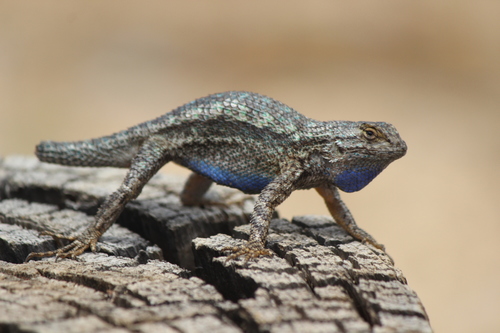
You might spot Western Fence Lizard, Duck, and Bee.
View guide →

California, US
You might spot Western Gull, Snowy Egret, and Great Blue Heron.
View guide →
Take the discovery with you
Snap it with Snappit to identify it, learn what makes it special, and add the discovery to your collection.









.jpg&width=800)



_001.jpg&width=800)




