





Fox Moth
Macrothylacia rubi
The Fox Moth is a fluffy, brown moth that looks like a little furry creature! It has big, soft wings and loves to fly around at night, making it a special sight in the dark.
Habitat: Gardens and fields
The Fox Moth is a medium-sized moth with a robust, very furry body and broad wings. Males are typically reddish-brown, while females are paler yellowish-brown, both featuring two pale lines across their forewings. Its dense hair and distinctive 'fox' colours help it stand out from similar grassland moths.
Category
InsectsRarity
Common
Danger
1/5 · Very low
Snaps
Be the first to snap!
Adult Fox Moths don't eat anything at all, surviving only on energy they stored as a hungry caterpillar!
Fox Moth caterpillars are famously called "woolly bears" because they are covered in long, fuzzy, bear-like hairs!
If a caterpillar gets too cold, it can actually freeze solid and then magically thaw out and wake up later!
Unlike most moths, male Fox Moths fly actively during the daytime to find mates, rather than only at night!
Fox Moth caterpillars have spiny hairs that can irritate predators, helping them stay safe from hungry birds.
The Fox Moth has dull brown wings that help it camouflage perfectly against dry leaves and grass, hiding from dangers.
Fox Moth caterpillars can survive freezing winters by hibernating, helping them emerge strong in spring to continue growing.
Adult Fox Moths don't eat, but their caterpillars are munching machines, feasting on leaves and plants!
Age differences: Adult moths do not feed, relying solely on energy reserves built up as caterpillars.
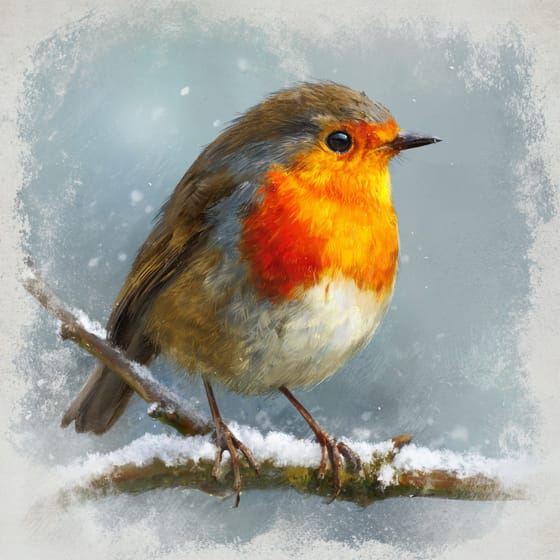
Erithacus rubecula
Birds eat caterpillars.

Sorex araneus
Shrews prey on caterpillars.
Exorista larvarum
Lays eggs on caterpillars.
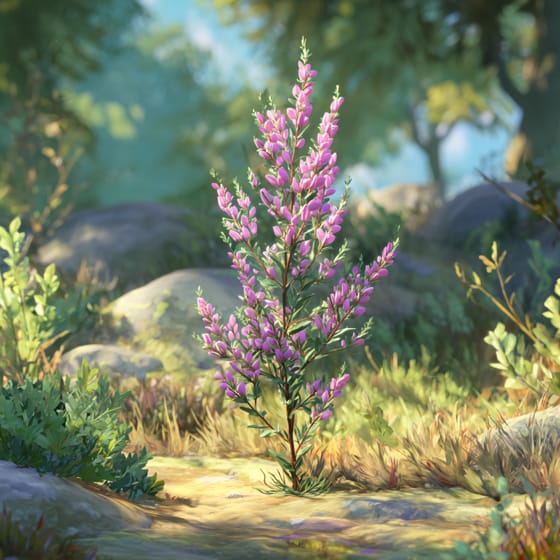
Calluna vulgaris
Caterpillars feed on leaves.
Furry describes animals possessing a dense covering of soft hair or fur.
Solitary animals live alone for most of their lives, only interacting with others for mating or parental care.
This trait characterizes organisms whose diet consists entirely or primarily of plant material.
Describes plants that are particularly attractive and beneficial to a wide range of pollinating organisms.

Nocturnal animals are primarily active during the nighttime hours, typically resting or sleeping during the day.

Describes organisms that transfer pollen, enabling the fertilization and reproduction of plants.
No aliases listed yet.
Danger
1/5 · Very low
Moths are usually safe to watch, but it's best not to touch them.
The easiest way to identify Fox Moth is to use the Snappit nature identifier app.
35-65 mm
30-40 mm
7-14 days
Adult Fox Moths don't eat, but their caterpillars are munching machines, feasting on leaves and plants!
Gardens and fields
Foraging
6
Zoom in to split clusters and explore where this object has been snapped.
Recent snaps will appear here as new observations are added.
Take the discovery with you
Snap it with Snappit to identify it, learn what makes it special, and add the discovery to your collection.







.jpg&width=800)




