





fragrant sumac
Rhus aromatica
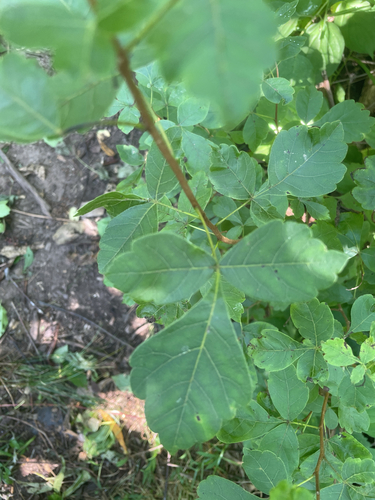
Fragrant sumac is a small shrub with bright green leaves that smell sweet when you touch them. In the fall, its leaves turn beautiful shades of red and orange, making it a lovely sight in nature.
Habitat: Grasslands
The fragrant sumac is a low-growing shrub with distinctive three-part leaves that turn vibrant shades of orange, red, and purple in fall. It has clusters of small, yellowish-green flowers in spring, followed by fuzzy, bright red berries that persist into winter.
Category
PlantsRarity
Common
Danger
1/5 · Very low
Snaps
17
Crush its leaves and you'll smell a wonderfully fresh, lemony scent!
Its tart red berries are used to make a refreshing, pink 'sumac-ade' drink!
The fuzzy berries are called drupes and are packed with Vitamin C!
This super tough shrub can grow where other plants can't, like rocky, poor soil!
Fragrant sumac has deep, spreading roots that help it find water and survive in very dry places.
Its extensive root system firmly holds soil in place, preventing erosion on slopes and hillsides.
Its bright red berries stay on the plant through winter, providing a vital food source for birds.
Apis mellifera
Visits flowers for nectar and pollen

Turdus migratorius
Eats persistent winter berries
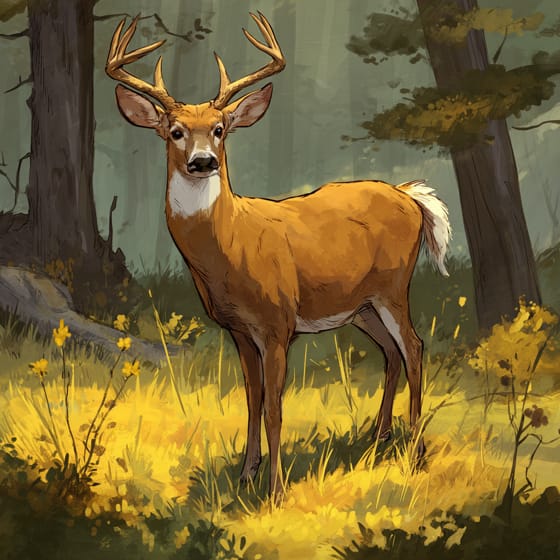
Odocoileus virginianus
Browses on leaves and twigs

Peromyscus leucopus
Hides among its dense branches
Aromatic plants produce and emit fragrant volatile organic compounds, often for defense or to attract pollinators.
Deciduous plants periodically shed all their leaves, typically during autumn or dry seasons.
A shrub is a woody plant smaller than a tree, typically with multiple stems branching from or near the ground.
Fragrant flowers emit a pleasant aroma, often to attract pollinators or for defense.

Fall color refers to the seasonal change in foliage pigmentation, primarily in deciduous plants, displaying vibrant hues.

Grassland habitats are terrestrial biomes dominated by grasses and herbaceous plants, supporting a variety of grazing animals.

Describes plants that are particularly attractive and beneficial to a wide range of pollinating organisms.
No aliases listed yet.
Danger
1/5 · Very low
Always look but don't touch plants without asking an adult first.
The easiest way to identify fragrant sumac is to use the Snappit nature identifier app.
60-250 cm
120-300 cm
0.2-0.5 cm
Spring
Yes
None
Perennial
Zoom in to split clusters and explore where this object has been snapped.
Aug 10, 2025
South Mountain ReservationPhoto attribution
(c) Tom Pollard, some rights reserved (CC BY)
License: CC BY 4.0 ↗
Image may be shown cropped inside the card frame.

New York, US
You might spot White Snakeroot, Rock Pigeon, and Eastern Gray Squirrel.
View guide →
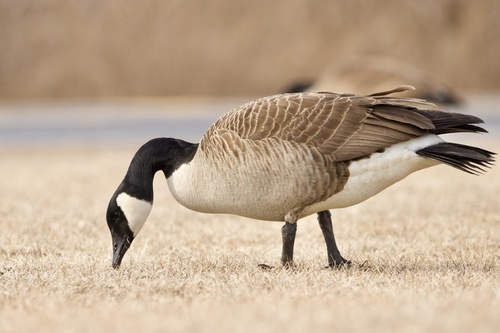
Illinois, US
You might spot Canada Goose, House Sparrow, and Rock Pigeon.
View guide →

Wisconsin, US
You might spot White-Tailed Deer, American Robin, and Canada Goose.
View guide →

New York, US
You might spot White Snakeroot, Common Mugwort, and Eastern Gray Squirrel.
View guide →

New York, US
You might spot Rock Pigeon, House Sparrow, and Eastern Gray Squirrel.
View guide →

Texas, US
You might spot Silverleaf Nightshade and Green Comet Milkweed.
View guide →
Take the discovery with you
Snap it with Snappit to identify it, learn what makes it special, and add the discovery to your collection.








.jpg&width=800)


_001.jpg&width=800)




