Rock Pigeon

This historic district in Greenwich Village is a unique urban oasis, renowned for its distinctive architectural harmony and the hidden communal garden it cradles.
This historic district in Greenwich Village is a unique urban oasis, renowned for its distinctive architectural harmony and the hidden communal garden it cradles. It comprises 22 carefully preserved row houses, showcasing a captivating blend of Greek Revival and Neo-Federal styles, which stand as a testament to early 20th-century urban renewal efforts. Visitors are drawn to its tranquil atmosphere, a striking contrast to the bustling city just beyond its streets.
The district's most enchanting feature is its private, residents-only communal garden, a lush green space created by combining the backyards of the row houses. While not publicly accessible, glimpses of this verdant sanctuary and its mature trees, seasonal plantings, and well-maintained pathways can often be caught through gates and from street-side perspectives. The architecture itself, with its uniform facades, detailed doorways, and historic window treatments, provides a continuous "exhibit" of architectural preservation.
MacDougal-Sullivan Gardens is a must-visit for those seeking a tranquil and aesthetically pleasing urban escape, offering a tangible connection to New York's layered history. Its beautifully maintained streetscapes and the allure of its private gardens create a memorable experience, inviting visitors to appreciate a unique model of community and architectural preservation in the heart of Manhattan. Be ready to snap and learn! Get the Snappit app to identify any nature species you find here.
buffs * Photography * Those seeking a tranquil urban stroll * Couples
Walk along MacDougal Street and Sullivan Street between Bleecker and Houston Streets to admire the uniform and pastel-colored facades. Look for architectural details like fan-shaped panels above doorways and small iron balconies. Try to catch a glimpse of the communal garden through gates or archways.
Spring/Summer: The communal garden will be at its most vibrant with lush foliage and blooming flowers, offering beautiful views even from a distance.
Autumn: Expect picturesque fall colors from the trees in and around the private gardens.
Winter: The architectural details of the houses stand out more clearly against the bare trees.
The district consists of public sidewalks along city streets, which are generally wheelchair accessible. However, the communal garden itself is private and not accessible to the public.
The cohesive Neo-Federal architectural style of the row houses, the detailed doorways and window treatments, and the tantalizing glimpses of the private communal garden between MacDougal and Sullivan Streets.
Each card links to a full Explore page with photos, traits, and fun facts.
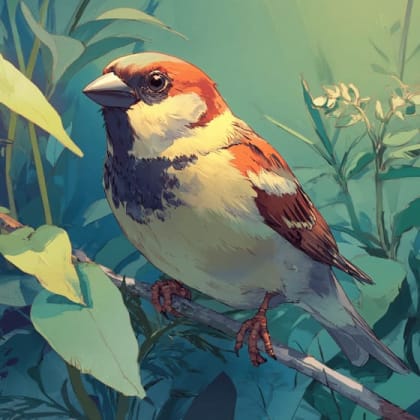











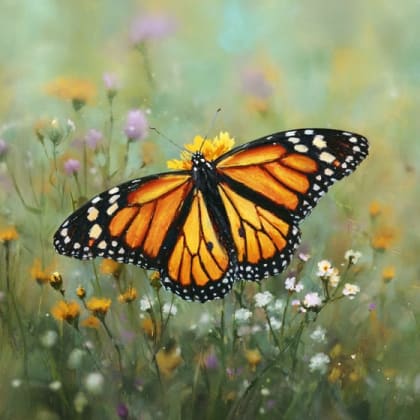







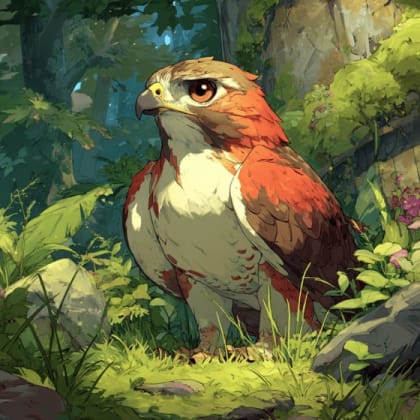



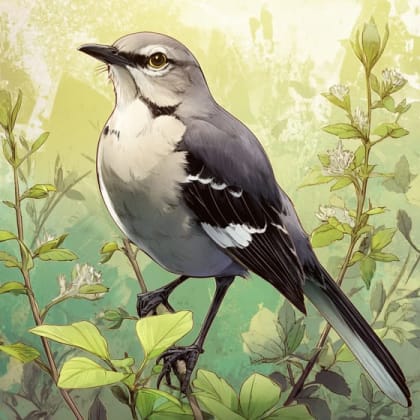










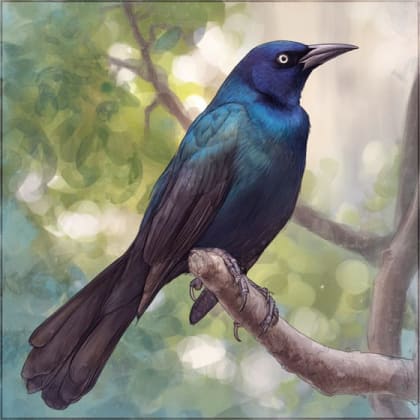


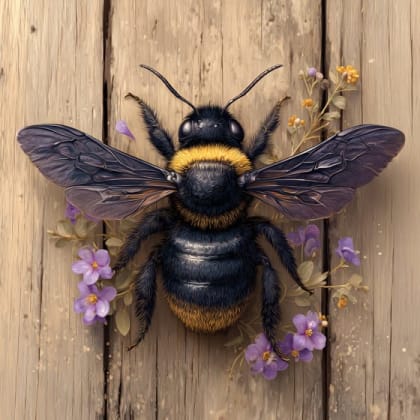



Start with the big picture, then zoom in to explore individual wildlife observations around this place.
Walk slowly
Take your time to appreciate the subtle architectural differences and the overall harmony of the streetscape.
Look for details
Pay attention to the doorways, windows, and decorative elements that define the Neo-Federal style.
Respect privacy
Remember that these are private residences; be mindful of residents and their property, especially when trying to glimpse the garden.
Combine with other Greenwich Village exploration: The district is in the heart of Greenwich Village, making it easy to include in a broader walking tour of the neighborhood.
Photography
The uniform facades and glimpses of greenery offer excellent photographic opportunities, especially during softer morning or late afternoon light.
Jun 19, 2026
Photo attribution
(c) aberkov, some rights reserved (CC BY)
License: CC BY 4.0 ↗
Image may be shown cropped inside the card frame.
Jun 18, 2026
Photo attribution
(c) aberkov, some rights reserved (CC BY)
License: CC BY 4.0 ↗
Image may be shown cropped inside the card frame.
Jun 20, 2026
Jun 20, 2026
Jun 19, 2026

Maryland, US
You might spot White-Tailed Deer and Eastern Gray Squirrel.
View guide →
.jpg)
District of Columbia, US
You might spot Eastern Gray Squirrel, Duck, and House Sparrow.
View guide →

Illinois, US
You might spot American Robin, Canada Goose, and House Sparrow.
View guide →

Virginia, US
You might spot Spotted Lanternfly and Northern Cardinal.
View guide →
Take the discovery with you
Identify the wildlife you spot, learn as you go, and keep a collection of the adventure.