Eastern Gray Squirrel

North and South Brother Islands are New York City's enigmatic abandoned islands and vital bird sanctuaries.
North and South Brother Islands are New York City's enigmatic abandoned islands and vital bird sanctuaries. These twin islands, nestled in the East River, offer a haunting glimpse into a complex past while serving as a thriving haven for colonial waterbirds. Their inaccessibility to the general public only enhances their mystique, preserving both their dilapidated historical structures and their fragile ecosystems.
While North Brother Island showcases the ghostly remains of Riverside Hospital—a former quarantine facility that once housed "Typhoid Mary" Mallon—its smaller sibling, South Brother Island, is largely undeveloped. Today, both islands are designated wildlife preserves, forming a crucial part of the Harbor Herons Region. From the waters surrounding these islands, or during rare, permitted research visits, observers can spot diverse birdlife, including black-crowned night herons, great egrets, snowy egrets, and double-crested cormorants, often nesting amidst the dense vegetation. Barn swallows even find refuge within the decaying hospital structures.
Visiting North and South Brother Islands is not a typical tourist experience; it's an opportunity to witness nature reclaiming history and to appreciate vital conservation efforts. The islands represent a unique convergence of urban decay and ecological rebirth, offering poignant lessons in public health history and the enduring power of wilderness within a bustling metropolis. The sheer historical weight combined with the vibrant avian life makes them a truly memorable, albeit remote, destination. Eager to name that creature? Identify any animal you find during your visit using the Snappit app.
enthusiasts interested in urban decay and New York City's public health past
As direct public access is prohibited, the primary way to "see" the islands is via specialized boat tours that circle the perimeter, offering views of the historical ruins and birdlife from a distance. Researchers with approved permits can explore the islands more closely, focusing on historical documentation or ecological studies.
**Seasonal Notes: **
* **Spring/Summer (March-September):** This is the crucial bird breeding season. Access is strictly forbidden to prevent disturbance. Boat tours around the islands may offer views of active nesting.
* **Fall/Winter (October-February):** This is the only period when NYC Parks may grant a very limited number of permits (typically four per year) for academic or scientific visits to North Brother Island. Bird activity may be lower, but the stark beauty of the abandoned structures is more prominent with less foliage.
**Accessibility Features: **
The islands are not accessible to the general public, and there are no accessibility features like paved trails or ramps. The terrain on North Brother Island is hazardous due to dilapidated structures, dense overgrowth, poison ivy, and potential asbestos, making it unsafe for unescorted exploration.
Spring/Summer (March-September): This is the crucial bird breeding season. Access is strictly forbidden to prevent disturbance. Boat tours around the islands may offer views of active nesting.
Fall/Winter (October-February): This is the only period when NYC Parks may grant a very limited number of permits (typically four per year) for academic or scientific visits to North Brother Island. Bird activity may be lower, but the stark beauty of the abandoned structures is more prominent with less foliage.
**Accessibility Features:
The islands are not accessible to the general public, and there are no accessibility features like paved trails or ramps. The terrain on North Brother Island is hazardous due to dilapidated structures, dense overgrowth, poison ivy, and potential asbestos, making it unsafe for unescorted exploration.
The islands are not accessible to the general public, and there are no accessibility features like paved trails or ramps. The terrain on North Brother Island is hazardous due to dilapidated structures, dense overgrowth, poison ivy, and potential asbestos, making it unsafe for unescorted exploration.
The crumbling buildings, including pavilions, laboratories, and staff housing, offer a poignant visual of the island's past as a quarantine facility.
Remnants of the 1869 lighthouse, North Brother Island's first permanent structure, can still be observed.
South Brother Island is a prime nesting site for a variety of herons, egrets, and cormorants.
The islands themselves, particularly North Brother, are a testament to nature's ability to reclaim human structures, with dense vegetation overtaking roads and buildings.
Each card links to a full Explore page with photos, traits, and fun facts.






















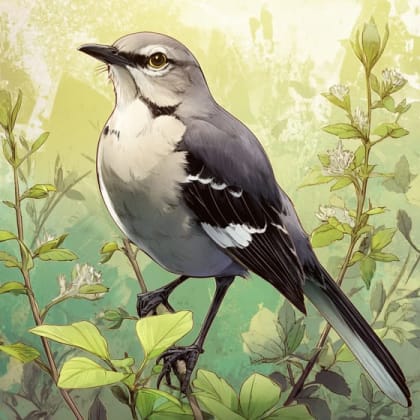




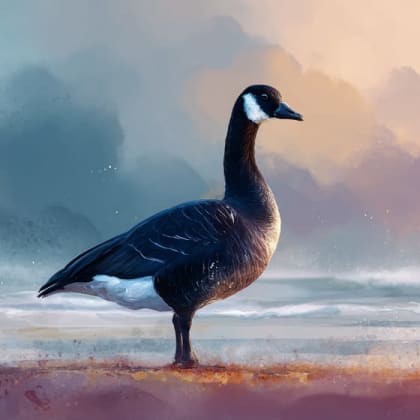

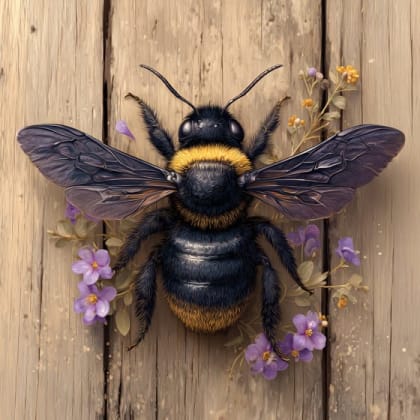

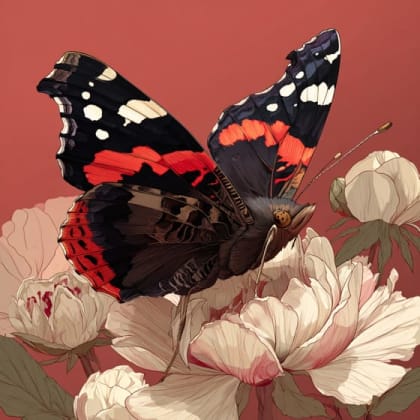

Start with the big picture, then zoom in to explore individual wildlife observations around this place.
Respect the Restrictions
Do not attempt to visit the islands without official, pre-approved permission from NYC Parks. Unauthorized access is illegal and dangerous.
Consider a Boat Tour
To see the islands legally and safely, look for specialized boat tours (e.g., "Urban Naturalist Tours") that circle the islands, offering views of the ruins and bird colonies from the water.
Bring Binoculars
For birdwatching from a boat tour, binoculars are essential to get a good view of the nesting birds and their activities on the shoreline and in the dense vegetation.
Research Beforehand
Delve into the islands' fascinating history and ecology before your tour or visit. Knowing the stories behind the ruins and the species you might see will greatly enhance the experience.
Long Lenses for Photography
If on a permitted research visit or a boat tour, a camera with a good telephoto lens will be crucial for capturing details of both the distant birdlife and the decaying structures.
Be Aware of Environmental Sensitivity
The islands are protected habitats. Even from a distance, minimize any disturbance to wildlife.
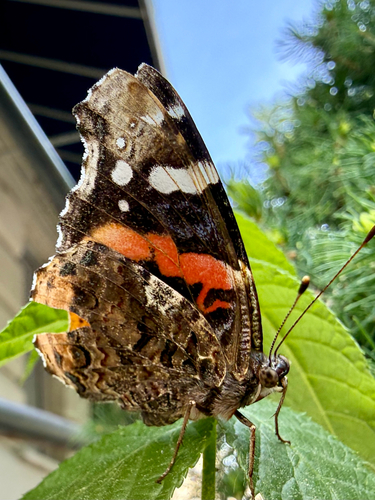
Jun 6, 2026
Photo attribution
(c) Oliver Clarke, some rights reserved (CC BY)
License: CC BY 4.0 ↗
Image may be shown cropped inside the card frame.
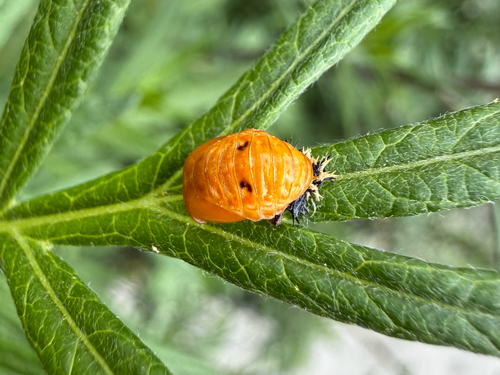
Jun 6, 2026
Photo attribution
(c) Oliver Clarke, some rights reserved (CC BY)
License: CC BY 4.0 ↗
Image may be shown cropped inside the card frame.
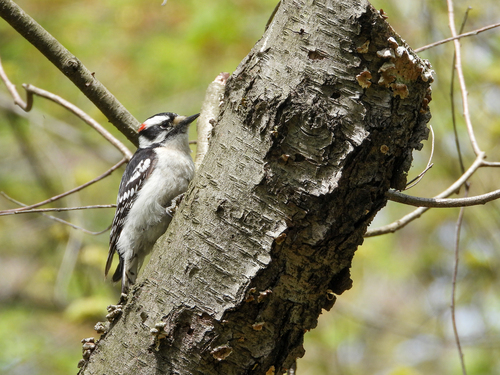
May 5, 2022
Photo attribution
(c) James M. Maley, some rights reserved (CC BY)
License: CC BY 4.0 ↗
Image may be shown cropped inside the card frame.
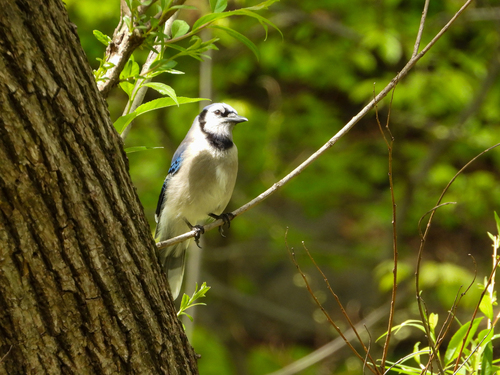
May 5, 2022
Photo attribution
(c) James M. Maley, some rights reserved (CC BY)
License: CC BY 4.0 ↗
Image may be shown cropped inside the card frame.
Jun 20, 2026

Maryland, US
You might spot White-Tailed Deer and Eastern Gray Squirrel.
View guide →
.jpg)
District of Columbia, US
You might spot Eastern Gray Squirrel, Duck, and House Sparrow.
View guide →

Illinois, US
You might spot American Robin, Canada Goose, and House Sparrow.
View guide →

Virginia, US
You might spot Spotted Lanternfly and Northern Cardinal.
View guide →
Take the discovery with you
Identify the wildlife you spot, learn as you go, and keep a collection of the adventure.