





Freshwater Crocodile
Crocodylus johnstoni
The freshwater crocodile is a cool reptile that lives in rivers and lakes. They have a long body and a big smile with lots of sharp teeth, but they mostly like to relax in the sun and swim.
Habitat: Wetlands
The Freshwater Crocodile is a medium-sized reptile with a very slender snout, perfect for catching fish. It has an olive-brown body with darker bands, which helps it blend into its riverine habitat. Its narrow jaw easily distinguishes it from the broader-snouted Saltwater Crocodile.
Category
ReptilesRarity
Common
Danger
4/5 · High
Snaps
Be the first to snap!
Freshwater Crocodiles have excellent night vision, helping them hunt after dark.
These crocs can gallop on land, moving surprisingly fast over short distances!
They build nests in sandy banks, burying their eggs for safety and warmth.
Unlike many crocs, they rarely attack humans, preferring fish and insects.
Freshwater Crocodiles have special sensory organs on their skin that help them detect prey movements in murky water.
Freshwater Crocodiles can hold their breath for long periods, helping them stay hidden underwater while ambushing prey.
Freshwater Crocodiles can make quick, powerful bursts of speed both in water and on land to escape danger.
These crocs love to snap up fish, frogs, and insects from freshwater habitats!
Age differences: Young crocs eat mostly insects; adults focus more on fish and larger prey.
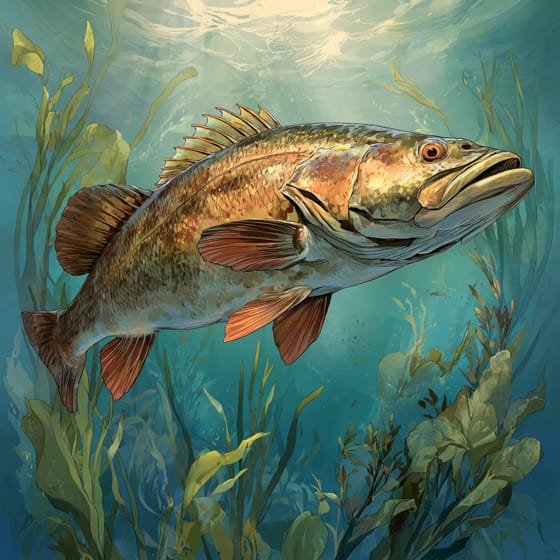
Lates calcarifer
A favorite meal in northern Australian rivers.
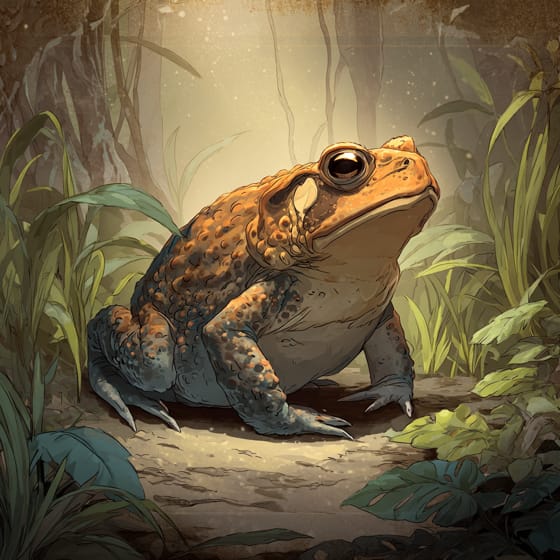
Rhinella marina
Can sometimes eat invasive toads, surprisingly.
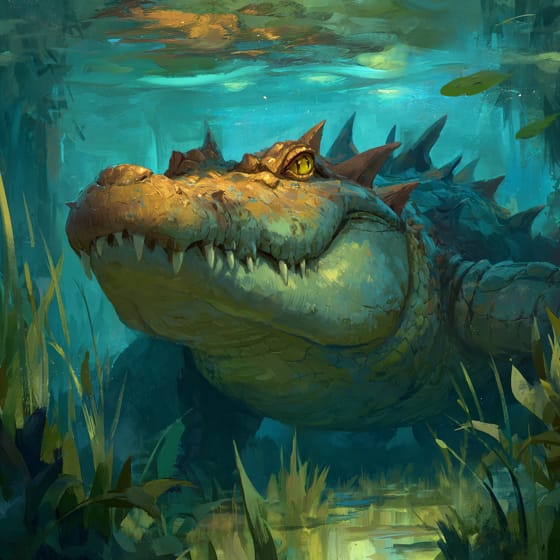
Crocodylus porosus
Young freshwater crocs are prey for larger saltwater crocs.
Varanus panoptes
Lizards sometimes raid nests for their delicious eggs.
Solitary animals live alone for most of their lives, only interacting with others for mating or parental care.
Camouflaged describes organisms that possess coloring or patterns that allow them to blend into their environment.
An ambush predator hunts by patiently waiting and concealing itself, then launching a sudden attack when unsuspecting prey comes within range.
This habitat trait identifies species found in wetlands, which are areas of land saturated with water, either permanently or seasonally, including marshes, swamps, and bogs.
Armored describes animals protected by a hard, external covering or shell for defense.

This trait identifies organisms whose diet consists entirely or primarily of animal tissue.

Freshwater habitats include non-saline aquatic environments such as rivers, lakes, ponds, and wetlands, vital for numerous species.

Describes a species whose presence and role have a disproportionately large effect on its environment.

Endangered status indicates a species is at a very high risk of extinction in the wild in the near future.
No aliases listed yet.
Danger
4/5 · High
Always stay away from the water's edge where crocodiles might be resting.
The easiest way to identify Freshwater Crocodile is to use the Snappit nature identifier app.
150-300 cm
15-70 kg
50-70 years
15 km/h
These crocs love to snap up fish, frogs, and insects from freshwater habitats!
15 km/h
Wetlands
Zoom in to split clusters and explore where this object has been snapped.
Recent snaps will appear here as new observations are added.
Take the discovery with you
Snap it with Snappit to identify it, learn what makes it special, and add the discovery to your collection.















