





garden pansy
Viola × wittrockiana
Garden pansies are colorful flowers that brighten up gardens and parks. They have soft petals and come in many colors like purple, yellow, and white. These cheerful flowers are great for attracting butterflies!
Habitat: Gardens
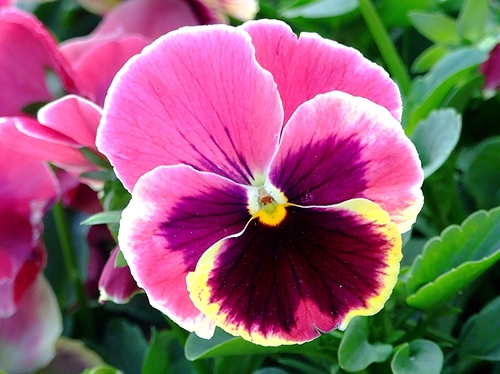
The garden pansy has large, flat, vibrant flowers with five petals, often featuring a distinct dark blotch in the center resembling a 'face'. Its colors range widely, including purple, yellow, white, and blue, frequently bicolored or tricolored.
Category
PlantsRarity
Common
Danger
1/5 · Very low
Snaps
Be the first to snap!
Ancient Romans believed pansies had medicinal powers, used for headaches and soothing minor pains!
Pansies are hybrids, bred from smaller wild violets to create their famously large, colorful blooms!
The name 'pansy' comes from the French word 'pensée,' meaning 'thought' or 'remembrance'!
You can press pansy petals to create beautiful, long-lasting, colorful art pieces!
Garden pansy thrives and blooms vibrantly even in chilly spring and fall, extending its colorful season.
Garden pansy has bright, colorful petals with nectar guides that strongly attract bees and butterflies for pollination.
Garden pansy drops many tiny seeds that easily sprout, allowing new plants to 'jump up' and grow in surprising places.
Apis mellifera
attracts bees with nectar
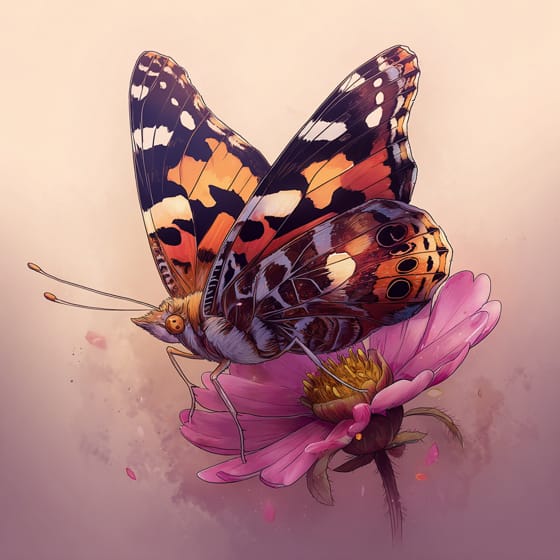
Vanessa cardui
provides nectar for butterflies
Arion vulgaris
leaves and flowers eaten by slugs
Myzus persicae
aphids feed on plant sap
Flowering plants are any plants that produce flowers as part of their reproductive cycle.
Biennial plants complete their life cycle over two growing seasons, typically forming foliage in the first year and flowering/seeding in the second.
Spring blooming plants produce their flowers during the spring season, often signifying the end of winter and the start of new growth.
Fragrant flowers emit a pleasant aroma, often to attract pollinators or for defense.

Colorful describes organisms or objects displaying a wide range of bright and distinct colors.

Edible plants are those parts of a plant that are considered safe for human consumption.

Describes plants that are particularly attractive and beneficial to a wide range of pollinating organisms.

This habitat trait indicates species that can coexist with humans in urban and suburban environments, utilizing man-made structures and green spaces.
No aliases listed yet.
Danger
1/5 · Very low
Always check with an adult before picking flowers.
The easiest way to identify garden pansy is to use the Snappit nature identifier app.
15-30 cm
15-30 cm
5-10 cm
Late Winter to Early Summer, often reblooming in Fall
Yes
None
Annual
Zoom in to split clusters and explore where this object has been snapped.
Recent snaps will appear here as new observations are added.
Take the discovery with you
Snap it with Snappit to identify it, learn what makes it special, and add the discovery to your collection.








.jpg&width=800)


_001.jpg&width=800)



