





salal
Gaultheria shallon
Salal is a lovely green shrub that grows in forests. It has shiny leaves and produces sweet, purple berries that many animals enjoy eating.
Habitat: Forests
The salal has tough, leathery, evergreen leaves that are shiny and dark green, often with reddish stems. Its small, bell-shaped flowers are white to pinkish, hanging in clusters, followed by dark purple-black, round berries.
Category
PlantsRarity
Common
Danger
1/5 · Very low
Snaps
18
Indigenous peoples dried salal berries into cakes for winter!
Its berries were once crushed to make purple dye for baskets.
Salal leaves stay green all year, even through cold winters!
The scientific name "shallon" comes from a native American word for the plant.
Salal can grow in deep shade or sunny spots, thanks to its adaptable leaves and roots.
Salal has a dense network of roots that cling to the soil, helping to prevent erosion on slopes.
Salal produces abundant, edible berries that are a vital food source for many forest animals.
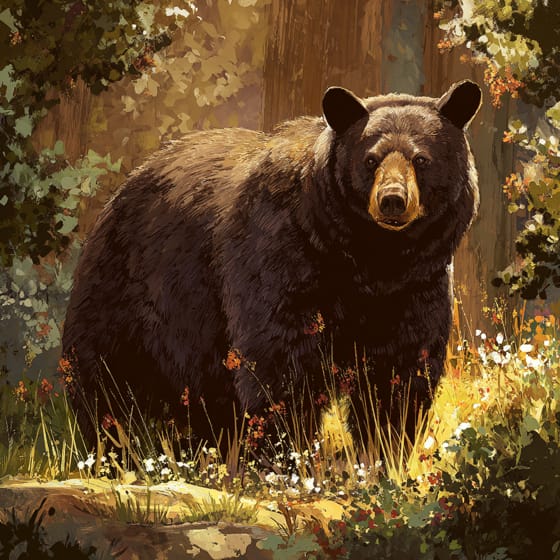
Ursus americanus
Feasts on juicy salal berries

Cyanocitta stelleri
Eats the dark purple salal berries
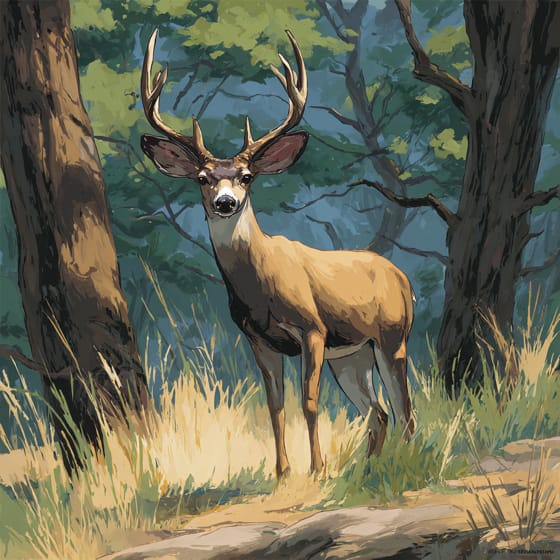
Odocoileus hemionus
Browses on salal leaves, especially in winter
Apis mellifera
Collects nectar from salal's bell-shaped flowers
Shade tolerant plants are adapted to grow and thrive in areas with low light levels, requiring less direct sunlight.
A shrub is a woody plant smaller than a tree, typically with multiple stems branching from or near the ground.
Evergreen plants retain their foliage throughout the year, never shedding all their leaves at once.
Fruit-bearing plants produce fruits, which are the mature ovaries of flowering plants containing seeds.

Medicinal plants possess chemical compounds that can be used for therapeutic purposes to treat illnesses or maintain health.

Edible plants are those parts of a plant that are considered safe for human consumption.

Describes plants that are particularly attractive and beneficial to a wide range of pollinating organisms.

Forest habitats are terrestrial environments dominated by dense tree cover, supporting a high diversity of plant and animal life.
No aliases listed yet.
Danger
1/5 · Very low
Always ask an adult before picking or eating berries.
The easiest way to identify salal is to use the Snappit nature identifier app.
20-500 cm
50-300 cm
0.5-1 cm
Spring to early summer
Yes
None
Perennial
Zoom in to split clusters and explore where this object has been snapped.

Washington, US
You might spot Rock Pigeon, Great Blue Heron, and Duck.
View guide →

Oregon, US
You might spot Rough-Skinned Newt and Isabella Tiger Moth.
View guide →
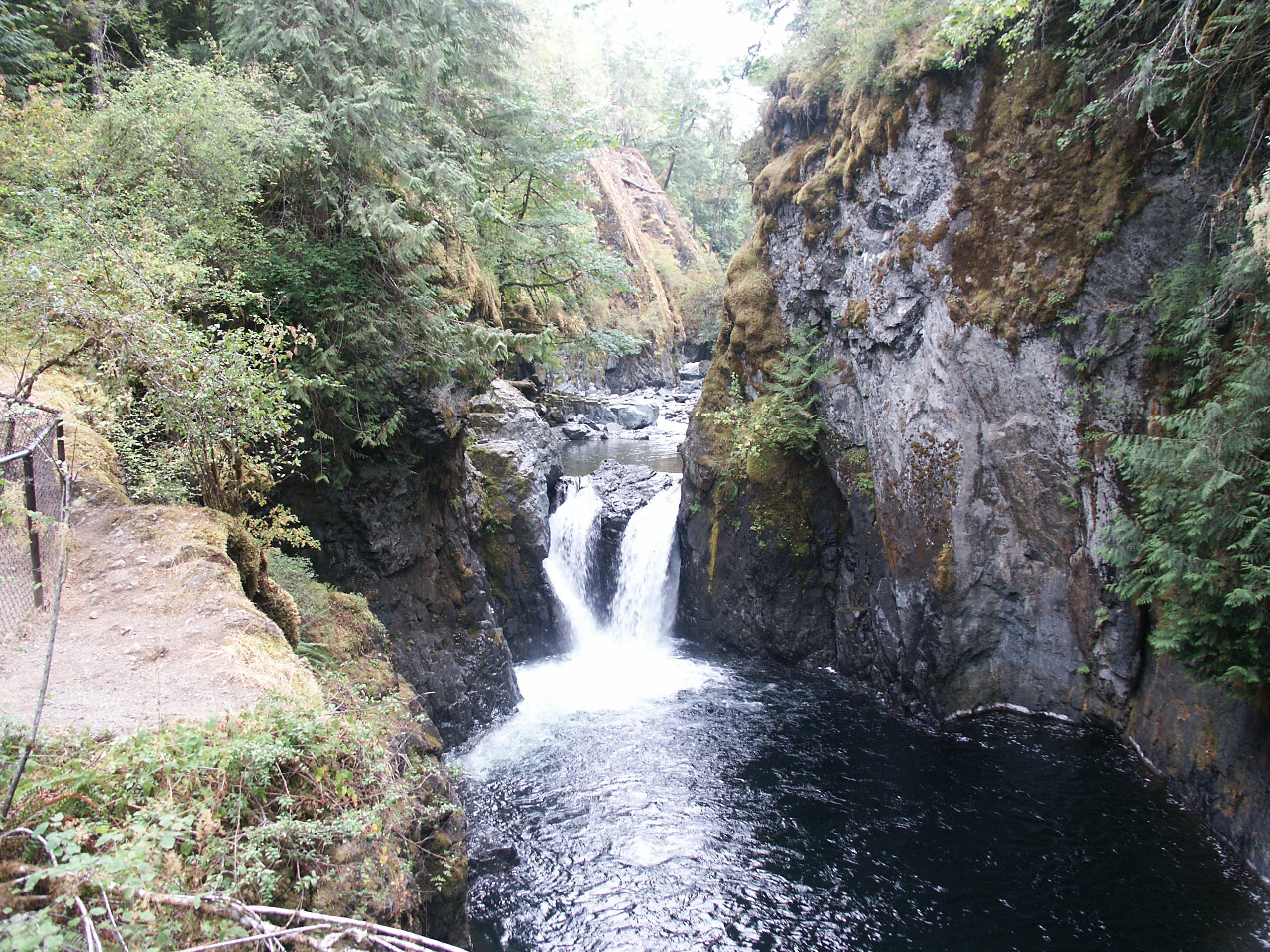
British Columbia, CA
You might spot Vanilla Leaf, Western Maidenhair Fern, and Salal.
View guide →

Washington, US
You might spot Cascade Oregon-Grape, Douglas Fir, and Salal.
View guide →

California, US
You might spot Harbor Seal, Ochre Sea Star, and Sea Thrift.
View guide →

California, US
You might spot Hilton's Aeolid and Opalescent Nudibranch.
View guide →
Take the discovery with you
Snap it with Snappit to identify it, learn what makes it special, and add the discovery to your collection.








.jpg&width=800)



_001.jpg&width=800)

