





Geometer Moths
Geometridae
Geometer moths are special insects known for their beautiful wings and unique way of moving. They look like they are measuring the ground as they inch along, which is why they are called 'geometer'!
Habitat: Forests
The Geometer Moths have slender bodies with broad, delicate wings, often held flat. Many species are cryptically patterned in greens, browns, or grays, making them look like bark or leaves. Some show bright colours. Their antennae can be thread-like or feathery.
Category
InsectsRarity
Common
Danger
1/5 · Very low
Snaps
Be the first to snap!
A single female Geometer moth can lay hundreds of eggs at one time!
Many Geometer caterpillars can stand perfectly still, looking exactly like a twig!
Some adult moths have tiny ears on their belly to hear hunting bats!
The name "Geometer" means "earth-measurer," like their looping inchworm caterpillars!
Geometer Moths can perfectly mimic twigs or leaves because of their incredible body shapes and patterns, helping them hide from predators.
Geometer Moths' caterpillars move with a unique looping motion because they have fewer prolegs, helping them "inch" along branches.
Male Geometer Moths have feathery antennae that help them detect tiny amounts of scent from females from far away in the dark.
Some adult Geometer Moths have special hearing organs on their bellies that can detect the ultrasonic clicks of hunting bats, helping them escape danger.
Caterpillars munch on leaves, while most adult Geometer Moths don't eat at all!
Age differences: Caterpillars eat plants; many adults do not feed or only sip nectar.
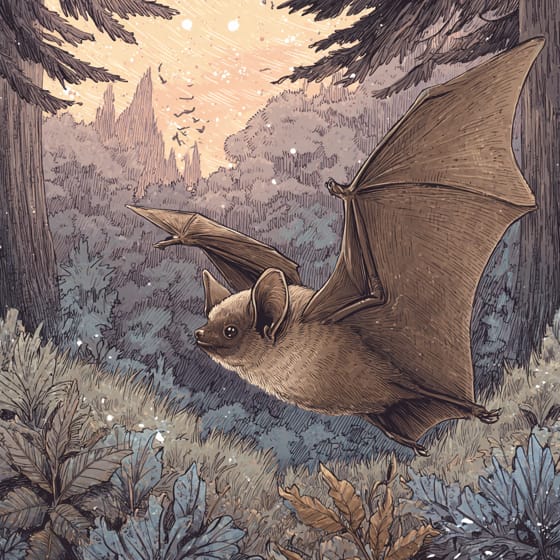
Myotis lucifugus
Adult moths are a tasty night snack.
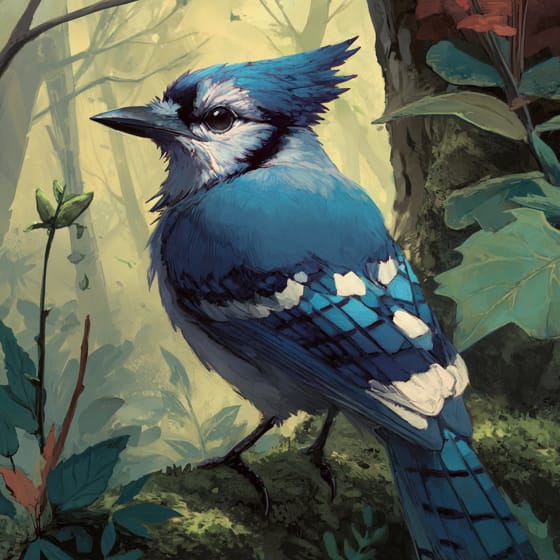
Cyanocitta cristata
Birds hunt both caterpillars and moths.
Quercus robur
Caterpillars munch on its leaves.
Cotesia congregata
Wasp larvae grow inside their caterpillars.
Solitary animals live alone for most of their lives, only interacting with others for mating or parental care.
Camouflaged describes organisms that possess coloring or patterns that allow them to blend into their environment.
Colorful describes organisms or objects displaying a wide range of bright and distinct colors.
This trait characterizes organisms whose diet consists entirely or primarily of plant material.

Describes plants that are particularly attractive and beneficial to a wide range of pollinating organisms.

Forest habitats are terrestrial environments dominated by dense tree cover, supporting a high diversity of plant and animal life.

Nocturnal animals are primarily active during the nighttime hours, typically resting or sleeping during the day.

Describes organisms that transfer pollen, enabling the fertilization and reproduction of plants.
No aliases listed yet.
Danger
1/5 · Very low
Moths are generally safe, but it's best to watch them from a distance and not touch them.
The easiest way to identify Geometer Moths is to use the Snappit nature identifier app.
15-50 mm
10-50 mm
10-30 days
Caterpillars munch on leaves, while most adult Geometer Moths don't eat at all!
Forests
Foraging
6
Zoom in to split clusters and explore where this object has been snapped.
Recent snaps will appear here as new observations are added.

British Columbia, CA
You might spot Western Rattlesnake Plantain and Shinyleaf Meadowsweet.
View guide →
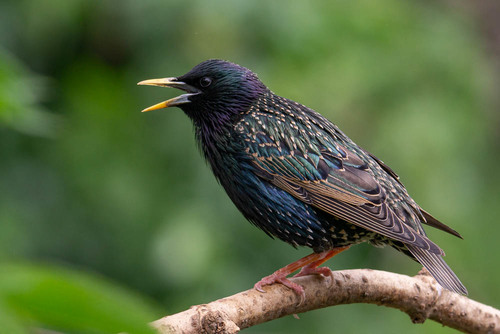
New York, US
You might spot European Starling, Henbit Deadnettle, and Red Deadnettle.
View guide →

District of Columbia, US
You might spot Eastern Gray Squirrel, House Sparrow, and American Robin.
View guide →
Take the discovery with you
Snap it with Snappit to identify it, learn what makes it special, and add the discovery to your collection.








.jpg&width=800)


