_-_Unionidae_-_Mollusc_shell.jpeg&width=800)





Giant Floater
Pyganodon grandis
The Giant Floater is a big, friendly clam that lives in rivers and lakes. It has a smooth, shiny shell and loves to filter tiny food from the water around it.
Habitat: Freshwater lakes and rivers
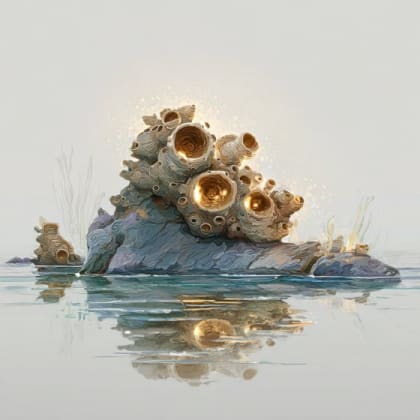
The Giant Floater has a large, oval, thin shell, typically yellowish-brown to dark brown. Its inner shell surface often shines with iridescent bluish-white or purple hues. It often looks smooth but can show distinct growth rings.
Category
InvertebrateRarity
Common
Danger
1/5 · Very low
Snaps
Be the first to snap!
Giant Floaters can breathe underwater using special filters in their bodies!
It can live longer than some pets, growing for over 20 years!
Its shell shines with amazing rainbow colors on the inside.
This clam has special babies that ride on fish like tiny hitchhikers!
Giant Floater can filter many gallons of water daily because its gills have tiny pores that trap food particles.
Giant Floater has a powerful muscular 'foot' that helps them slowly burrow into soft lake bottoms for safety.
Giant Floater's babies temporarily attach to fish gills because this helps them travel to new homes!
This mussel is a natural water filter, munching on tiny bits like algae and bacteria.
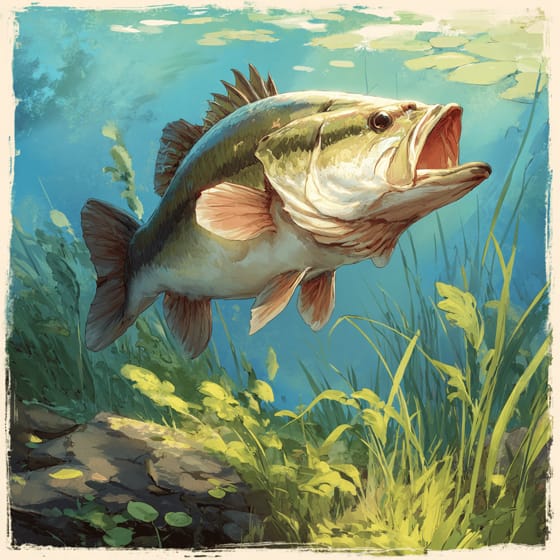
Micropterus salmoides
Its babies (glochidia) temporarily attach to fish gills to grow.
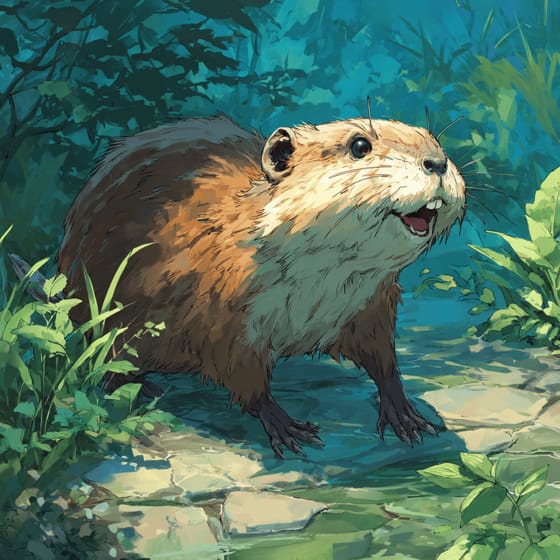
Ondatra zibethicus
Muskrats are known to prey on adult mussels for food.
Chlamydomonas reinhardtii
It filters and consumes microscopic algae from the water.
Solitary animals live alone for most of their lives, only interacting with others for mating or parental care.
Filter feeders obtain nutrients by straining suspended food particles and small organisms from water.
This trait characterizes organisms whose diet consists entirely or primarily of plant material.
This trait characterizes organisms with an exceptionally long lifespan compared to others of their kind.

Freshwater habitats include non-saline aquatic environments such as rivers, lakes, ponds, and wetlands, vital for numerous species.

Describes a species whose presence and role have a disproportionately large effect on its environment.

Giant describes organisms or objects of significantly larger size than average for their species or type.
No aliases listed yet.
Danger
1/5 · Very low
Always wash your hands after touching water or mud where clams live.
The easiest way to identify Giant Floater is to use the Snappit nature identifier app.
10-25 cm
100-400 g
10-25 years
This mussel is a natural water filter, munching on tiny bits like algae and bacteria.
Freshwater lakes and rivers
Filter Feeding
Zoom in to split clusters and explore where this object has been snapped.
Recent snaps will appear here as new observations are added.
Take the discovery with you
Snap it with Snappit to identify it, learn what makes it special, and add the discovery to your collection.