





Pristoceuthophilus
Pristoceuthophilus
Pristoceuthophilus is a special kind of cricket that loves to hide in the grass and leaves. They have long antennae and make soft sounds that can be heard at night.
Habitat: Grasslands
The Pristoceuthophilus is a medium-sized, wingless insect with a distinctively hunched, often shiny, light to dark brown body. Its most striking features are its extremely long, thread-like antennae, which can be several times its body length, and powerful, bent hind legs for jumping. Unlike true crickets, it lacks the ability to chirp.
Category
InsectsRarity
Common
Danger
1/5 · Very low
Snaps
Be the first to snap!
A Pristoceuthophilus can regrow a lost leg or antenna over time!
If startled, they might jump right at you, which can be quite a surprise!
These crickets are silent explorers, they don't chirp like most other crickets!
They often prefer to live deep underground in cool, damp caves and basements.
Pristoceuthophilus can leap incredible distances because of their powerful, enlarged hind legs that help them escape danger quickly.
Pristoceuthophilus has extremely long antennae that helps them navigate dark environments and detect food or predators by touch and smell.
Pristoceuthophilus can blend into its surroundings because of its mottled brown and grey coloration that helps them hide from predators.
These versatile eaters munch on almost anything organic, from decaying plants to tiny insects!
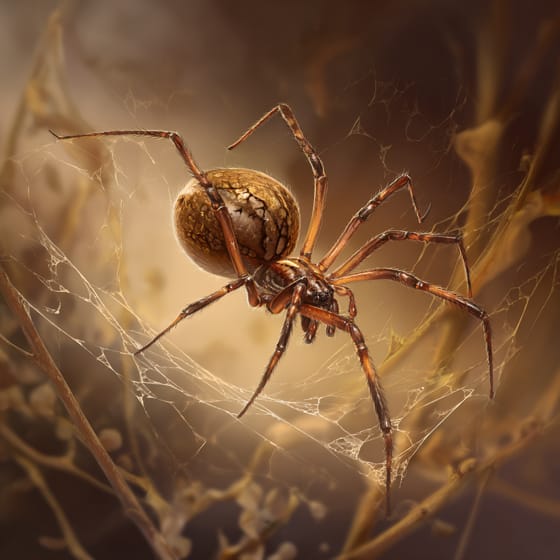
Tegenaria domestica
Spiders prey on these crickets.
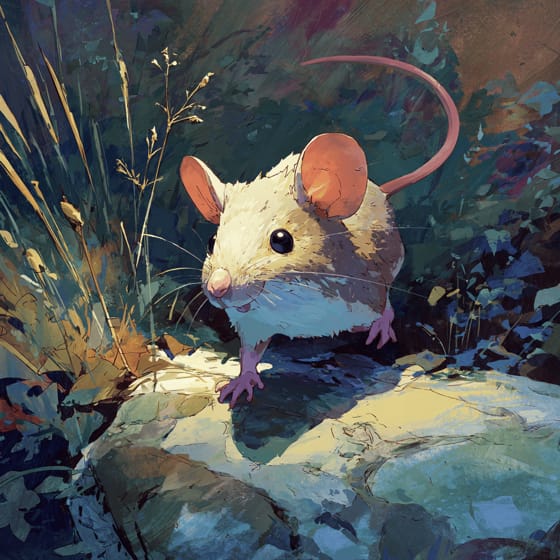
Mus musculus
Mice will opportunistically eat crickets.
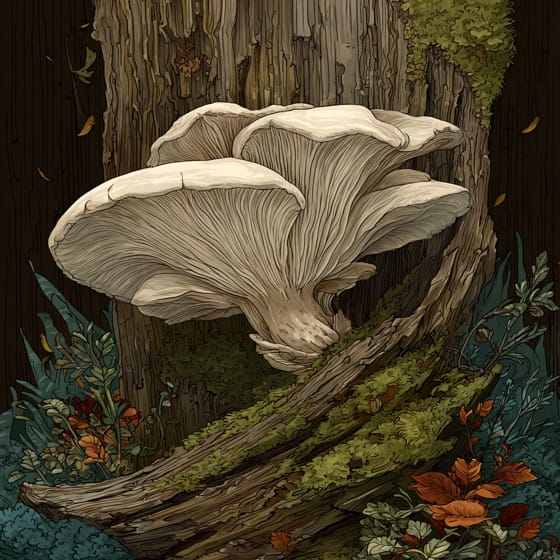
Pleurotus ostreatus
Feeds on decaying fungi.
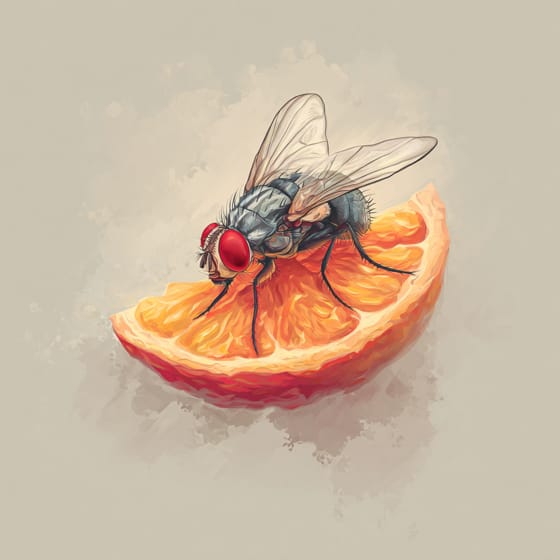
Drosophila melanogaster
Omnivores eat small insects.
Quercus garryana
Consumes decaying leaf litter.
Solitary animals live alone for most of their lives, only interacting with others for mating or parental care.
Singing animals produce complex vocalizations, often for purposes of attracting mates, defending territory, or communicating within their species.
Camouflaged describes organisms that possess coloring or patterns that allow them to blend into their environment.
Grassland habitats are terrestrial biomes dominated by grasses and herbaceous plants, supporting a variety of grazing animals.

This trait characterizes organisms whose diet consists entirely or primarily of plant material.

This trait identifies organisms that exhibit exceptional swiftness in movement for hunting, escape, or travel.

Nocturnal animals are primarily active during the nighttime hours, typically resting or sleeping during the day.
No aliases listed yet.
Danger
1/5 · Very low
Be gentle and quiet when observing crickets so you don't scare them away.
The easiest way to identify Pristoceuthophilus is to use the Snappit nature identifier app.
10-30 mm
400-700 days
These versatile eaters munch on almost anything organic, from decaying plants to tiny insects!
Grasslands
Foraging
6
Zoom in to split clusters and explore where this object has been snapped.
Recent snaps will appear here as new observations are added.
Take the discovery with you
Snap it with Snappit to identify it, learn what makes it special, and add the discovery to your collection.







.jpg&width=800)




