





Golden Pheasant
Chrysolophus pictus
The Golden Pheasant is a colorful bird known for its bright yellow and red feathers. It loves to roam in the forest and is a beautiful sight to see when it spreads its tail.
Habitat: Forests
The Golden Pheasant is famous for the male's spectacular plumage, featuring a bright golden crest, a scarlet-red body, and a striking blue-green scalloped cape. Its vibrant colours make it instantly recognizable and distinct from other birds.
Category
BirdsRarity
Common
Danger
1/5 · Very low
Snaps
Be the first to snap!
A female Golden Pheasant can lay up to a dozen eggs in one nest!
Male Golden Pheasants are sometimes called "living rainbows" due to their incredible array of colours!
These pheasants sleep high in trees to stay safe from predators at night.
They don't sing songs; instead, they make sharp "chack-chack" calls.
Golden Pheasants can disappear quickly into dense undergrowth because their patterned plumage provides excellent camouflage.
Golden Pheasants have strong legs that help them run swiftly through forests to escape predators or forage for food.
Golden Pheasants can attract mates by fanning out their vibrant cape and tail feathers during an elaborate courtship dance.
These colourful birds are omnivores, munching on seeds, berries, leaves, and tiny insects found on the forest floor.
Accipiter gentilis
Goshawks are aerial predators of pheasants in their range.
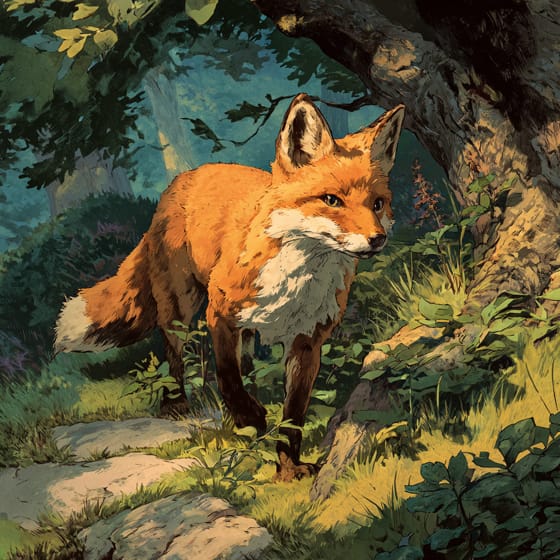
Vulpes vulpes
Red foxes often prey on ground-dwelling pheasants.

Quercus acutissima
Pheasants forage for acorns from oak trees.
Formica rufa
Golden Pheasants eat these ants and their larvae.
Feathered describes animals, primarily birds, possessing a covering of feathers.
Crested describes animals possessing a prominent tuft of feathers, hair, or skin on their head.
Social animals live in organized groups, cooperating for survival benefits such as foraging, defense, and raising offspring.
This trait identifies organisms whose diet includes both plant and animal matter.

Colorful describes organisms or objects displaying a wide range of bright and distinct colors.

Forest habitats are terrestrial environments dominated by dense tree cover, supporting a high diversity of plant and animal life.

Diurnal animals are primarily active during daylight hours, typically resting or sleeping at night.

This trait identifies organisms that exhibit exceptional swiftness in movement for hunting, escape, or travel.
Danger
1/5 · Very low
Always watch birds from a distance and don't try to catch them.
The easiest way to identify Golden Pheasant is to use the Snappit nature identifier app.
60-105 cm
65-75 cm
0.45-0.85 kg
5-10 years
60 km/h
These colourful birds are omnivores, munching on seeds, berries, leaves, and tiny insects found on the forest floor.
Forests
Zoom in to split clusters and explore where this object has been snapped.
Recent snaps will appear here as new observations are added.
Take the discovery with you
Snap it with Snappit to identify it, learn what makes it special, and add the discovery to your collection.




.jpg&width=800)







