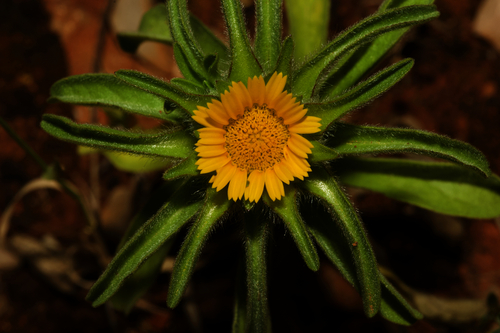


Golden-Star
asteriscus aquaticus
The Golden-Star, scientifically known as Asteriscus aquaticus, is a charming annual herbaceous plant native to the Mediterranean Basin. Despite its small stature, this resilient wildflower boasts bright, star-like yellow flowers that add a vibrant splash of color to often arid and disturbed landscapes. It's a testament to nature's adaptability, thriving in harsh, sunny conditions where many other plants struggle. Often overlooked, its simple beauty and ecological role in supporting local insect populations make it a fascinating subject for any nature enthusiast interested in the flora of dry, sunny regions.
Habitat: Found in dry, open, and often disturbed habitats, including coastal dunes, fallow fields, roadsides, and arid scrublands across the Mediterranean region.
Asteriscus aquaticus is a relatively small plant, typically growing prostrate or erect to a height of 5 to 40 centimeters. Its stems and leaves are often covered in fine, silvery hairs, giving it a somewhat fuzzy appearance and helping to reduce water loss. The leaves are linear to spatulate, arranged alternately along the stem. The most striking feature is its composite flowers, which are bright yellow, daisy-like capitula, about 1-2.5 cm in diameter. Each 'flower' is actually a head composed of numerous small florets, with distinct ray florets forming the outer 'petals'.
Category
PlantsRarity
Common
Danger
1/5 · Very low
Snaps
1
Despite its name 'aquaticus', which suggests a water habitat, Asteriscus aquaticus is actually a drought-tolerant species, commonly found in dry, sandy environments.
It is sometimes cultivated in xeriscaping or rock gardens in arid climates for its cheerful yellow flowers and low-maintenance nature.
The genus name 'Asteriscus' is derived from the Greek word 'asteriskos', meaning 'little star', referring to the star-like shape of its flower heads.
The plant's small, hairy leaves and stems are an adaptation to reduce water loss, allowing it to thrive in the harsh, sun-drenched Mediterranean climate.
This plant possesses physiological adaptations, such as hairy leaves and a rapid life cycle, that allow it to withstand prolonged periods of drought common in its native Mediterranean habitat.
As an annual, the Golden-Star can quickly complete its entire life cycle from germination to seed production within a single growing season, enabling it to capitalize on short periods of favorable conditions.
Asteriscus aquaticus is well-adapted to colonizing disturbed or poor soils, often being one of the first species to establish in areas affected by erosion or human activity, contributing to soil stabilization.
As a photosynthetic organism, the Golden-Star produces its own energy from sunlight, carbon dioxide, and water. It absorbs essential nutrients and minerals from the soil through its root system.
Apis mellifera
Provides nectar and pollen for pollinators.
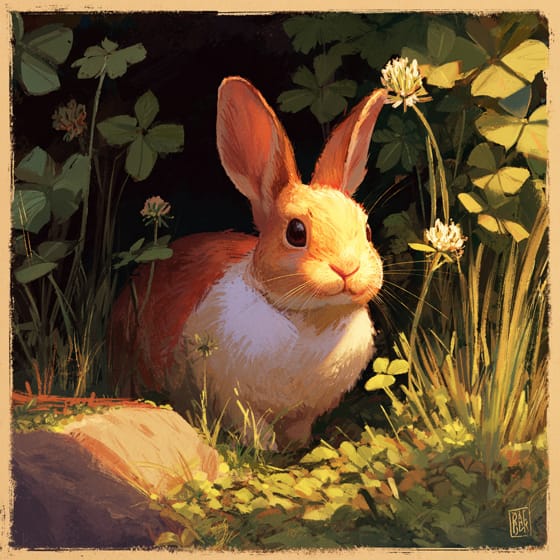
Oryctolagus cuniculus
Serves as a food source for various generalist herbivores.
_and_beneficial_bacteria_on_plant_performance_and_soil_fertility.webp&width=800)
various species
Forms symbiotic relationships with soil fungi to enhance nutrient uptake.
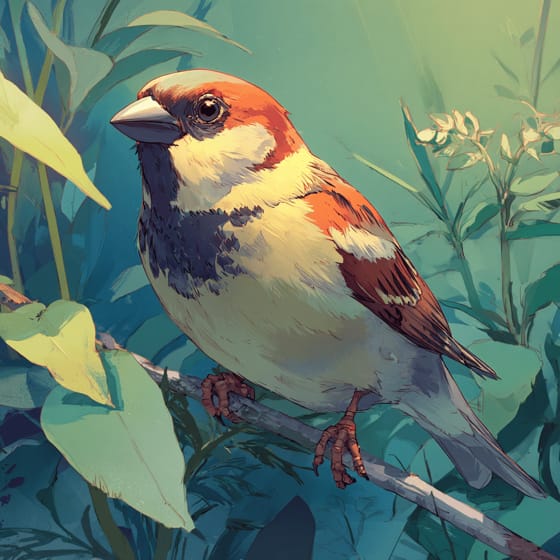
Passer domesticus
Seeds are consumed and dispersed by granivorous birds.
No trait badges are assigned for this object yet.
No aliases listed yet.
Collections for this object will appear here as more themes are added.
Danger
1/5 · Very low
No special safety notes yet.
The easiest way to identify Golden-Star is to use the Snappit nature identifier app.
5-40 cm
0.001-0.02 kg
0 years
As a photosynthetic organism, the Golden-Star produces its own energy from sunlight, carbon dioxide, and water. It absorbs essential nutrients and minerals from the soil through its root system.
Found in dry, open, and often disturbed habitats, including coastal dunes, fallow fields, roadsides, and arid scrublands across the Mediterranean region.
Photosynthesis And Nutrient Absorption
100-500
Zoom in to split clusters and explore where this object has been snapped.
Take the discovery with you
Snap it with Snappit to identify it, learn what makes it special, and add the discovery to your collection.













.jpg&width=800)



_001.jpg&width=800)




