California Poppy

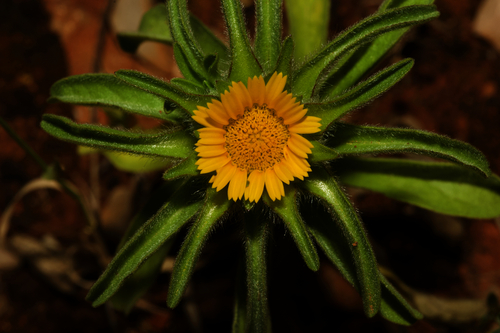
Experience a breathtaking natural spectacle at the Antelope Valley California Poppy Reserve State Natural Reserve, a protected haven in the western Mojave Desert dedicated to preserving the state's most consistent and vibrant displays of California poppies.
Experience a breathtaking natural spectacle at the Antelope Valley California Poppy Reserve State Natural Reserve, a protected haven in the western Mojave Desert dedicated to preserving the state's most consistent and vibrant displays of California poppies. This 1,780-acre reserve transforms each spring into a mesmerizing tapestry of brilliant orange, drawing visitors from across the globe to witness its unparalleled beauty. It's a unique ecosystem where the delicate balance of sun, wind, and rain orchestrates an unforgettable floral show.
Beyond the iconic California poppies, the reserve's rolling hills burst with a diverse array of other wildflowers, creating a mosaic of colors. Visitors can wander through fields dotted with purple lupine, yellow goldfields, white cream cups, and delicate owl's clover, among others. Eight miles of well-maintained trails, including a paved section, allow for immersive exploration, while the Jane S. Pinheiro Interpretive Center offers valuable insights into the flora, fauna, and history of this remarkable landscape.
A visit to the Antelope Valley California Poppy Reserve offers more than just a visual feast; it's an opportunity for reflection and a deep connection with nature. Whether you're a photographer seeking the perfect shot of sun-kissed blossoms, a family looking for an educational outdoor adventure, or simply someone yearning for tranquility amidst natural beauty, the reserve provides an unforgettable experience. The sheer scale and vibrancy of the blooms, especially during a peak season, make it a truly memorable destination that celebrates California's natural heritage. Enhance your adventure: download the Snappit app to identify the local species you encounter.
The Antelope Valley California Poppy Reserve State Natural Reserve was established in 1976 with the crucial mission to protect and preserve the outstanding displays of native wildflowers, particularly the beloved California poppy. Before its establishment, the fragile ecosystem was almost lost to potential construction and development. Artist and nature lover Jane S. Pinheiro, along with the Lancaster Women's Club, spearheaded significant fundraising efforts, including a "pennies for poppies" campaign that saw over 8,000 schoolchildren contribute, to acquire and protect the land. Today, more than 1,700 acres are safeguarded within the preserve, a testament to these early conservation efforts.
Hiking: Explore the reserve's numerous trails, ranging from easy walks to longer loops, to immerse yourself in the wildflower fields.
* **Photography: ** Capture the stunning landscapes and close-ups of the diverse wildflowers. Sunrise and sunset offer particularly magical lighting.
* **Bird Watching: ** Observe various bird species, including meadowlarks, lark sparrows, horned larks, and the occasional golden eagle.
* **Interpretive Center: ** Learn about the reserve's ecology and history.
* **Agents of Discovery App/Cell Phone Tour:** Engage with educational scavenger hunts and stories along the trails.
The intensity and duration of the bloom vary yearly based on rainfall and temperature. Poppies are sensitive to light and temperature, closing up on cloudy, cold, or windy days. Desert mornings can be chilly, even during bloom season.
The reserve offers a paved, 0.6-mile Americans with Disabilities Act (ADA) compliant trail. The visitor center, picnic area, and restrooms are also accessible.
The primary highlight is the vast expanse of California poppies and other wildflowers blanketing the hills. Don't miss the 8 miles of trails, including the South and North Loop trails, and various vista points like Tehachapi Vista Point and Valley Vista Point, which offer panoramic views. The Jane S. Pinheiro Interpretive Center, open during bloom season, features wildflower and wildlife exhibits, an orientation video, and botanical watercolor paintings.
Each card links to a full Explore page with photos, traits, and fun facts.
Start with the big picture, then zoom in to explore individual wildlife observations around this place.
Check Bloom Status
Always confirm the current bloom conditions on the reserve's official website, Facebook page, or wildflower hotline before you go, as peak bloom times vary each year.
Go Early
Arrive shortly after sunrise to avoid crowds, secure parking, and experience the poppies as they begin to unfurl with the morning sun.
Stay on Trails
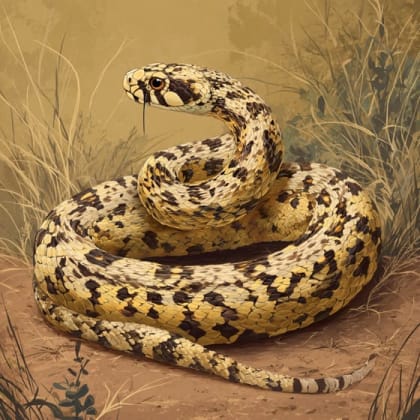
Strictly adhere to designated trails to protect the fragile wildflowers from being trampled and for your safety, as rattlesnakes are present in the area.
Protect Yourself from the Sun
The reserve offers very little shade. Bring plenty of water, wear hats, sunglasses, and apply sunscreen.
Dress in Layers and Wear Proper Footwear: Desert mornings can be cool, so layers are advisable. Trails are dirt paths, so comfortable walking or hiking shoes are a must.
Leave No Trace
Do not pick wildflowers, disturb plants, rocks, or wildlife. Take only pictures and leave only footprints to preserve the natural beauty for future visitors.
Jun 9, 2026
Jun 9, 2026
Jun 9, 2026
May 20, 2026
May 20, 2026

Maryland, US
You might spot White-Tailed Deer and Eastern Gray Squirrel.
View guide →
.jpg)
District of Columbia, US
You might spot Eastern Gray Squirrel, Duck, and House Sparrow.
View guide →

Illinois, US
You might spot American Robin, Canada Goose, and House Sparrow.
View guide →

Virginia, US
You might spot Spotted Lanternfly and Northern Cardinal.
View guide →
Take the discovery with you
Identify the wildlife you spot, learn as you go, and keep a collection of the adventure.