





Gongylophis colubrinus
Gongylophis colubrinus
The Gongylophis colubrinus, also known as the Egyptian Sand Boa, is a friendly snake that loves to burrow in the sand. It has a beautiful pattern that helps it blend in with its desert home.
Habitat: Desert
The Gongylophis colubrinus has a stout, muscular body with a small head and keeled scales. Its coloration varies from yellow, tan, or orange to brown, often with darker blotches or stripes. Uniquely, its small eyes are positioned on top of its head, perfectly adapted for observing from beneath the sand.
Category
ReptilesRarity
Common
Danger
1/5 · Very low
Snaps
Be the first to snap!
It's one of the few boa species found in Africa and the Middle East, not just the Americas.
Its rough, keeled scales help it grip the sand, preventing it from slipping while burrowing.
The sand boa is nocturnal, meaning it wakes up to hunt when you're sleeping!
This snake gives birth to live young, it doesn't lay eggs like many other reptiles!
Gongylophis colubrinus can quickly 'swim' through loose sand because of its smooth scales and shovel-shaped snout.
Gongylophis colubrinus has eyes on the very top of its head that helps them watch for prey while hidden just under the surface.
Gongylophis colubrinus can dig into the sand in seconds that helps them escape danger and ambush unsuspecting meals.
A sneaky hunter that eats small critters found on or just under the sand.
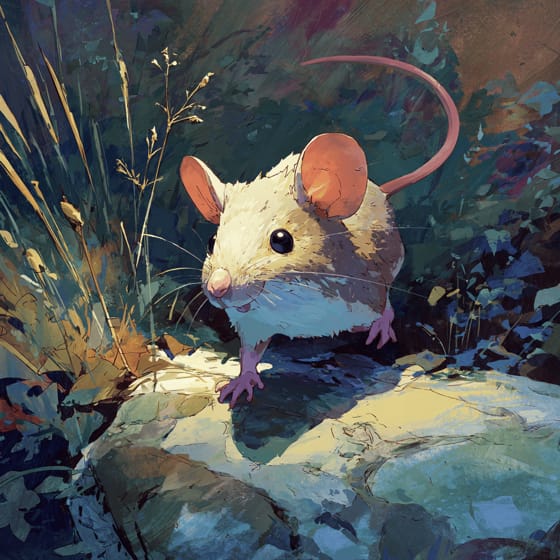
Mus musculus
A primary food source for sand boas in many areas.
Meriones libycus
These desert rodents are often ambushed by hidden boas.
.jpg&width=800)
Buteo rufinus
Young sand boas can fall prey to various birds of prey.
Marked with spots or patches of a different color.
Solitary animals live alone for most of their lives, only interacting with others for mating or parental care.
Burrowing animals dig tunnels and chambers in the ground, using these subterranean structures for shelter, hunting, or breeding.
Camouflaged describes organisms that possess coloring or patterns that allow them to blend into their environment.

Desert habitats are arid regions characterized by extremely low precipitation and often extreme temperatures, supporting specialized flora and fauna.

This trait identifies organisms whose diet consists entirely or primarily of animal tissue.
Danger
1/5 · Very low
Always watch snakes from a distance and never try to touch them without an adult.
The easiest way to identify Gongylophis colubrinus is to use the Snappit nature identifier app.
30-80 cm
0.1-0.5 kg
10-20 years
A sneaky hunter that eats small critters found on or just under the sand.
Desert
Ambush
4-10
Zoom in to split clusters and explore where this object has been snapped.
Recent snaps will appear here as new observations are added.
Take the discovery with you
Snap it with Snappit to identify it, learn what makes it special, and add the discovery to your collection.














