





Gracile Capuchins
Cebus
Gracile Capuchins are playful monkeys known for their cleverness. They have long tails that help them balance as they swing through trees in search of food and fun!
Habitat: Forests
The Gracile Capuchins has a slender body, covered in brownish-grey fur, often with a contrasting lighter belly and a distinct black cap on its head. Many species feature white or light-colored fur on their face and shoulders, making them visually different from their Robust Capuchin relatives.
Category
MammalsRarity
Common
Danger
2/5 · Low
Snaps
Be the first to snap!
Capuchins communicate with many different barks, chirps, and whistles to talk to each other.
Sometimes, they share food with other monkeys in their group, showing great teamwork!
Their brains are surprisingly large for their body size, making them super smart!
They rub plants and even millipedes on their fur, maybe to repel bugs or for perfume!
Gracile Capuchins can use various tools like stones or sticks because of their high intelligence that helps them access hard-to-reach food.
Gracile Capuchins has a strong prehensile tail that helps them balance while climbing or even hang upside down to grab tasty treats.
Gracile Capuchins can skillfully manipulate objects with their nimble fingers because of their excellent dexterity that helps them find hidden insects.
Gracile Capuchins can figure out tricky puzzles, like opening tough seed pods, because of their sharp minds that helps them get food.
Gracile Capuchins are omnivores, enjoying a diverse menu of fruits, insects, small animals, and even leaves.
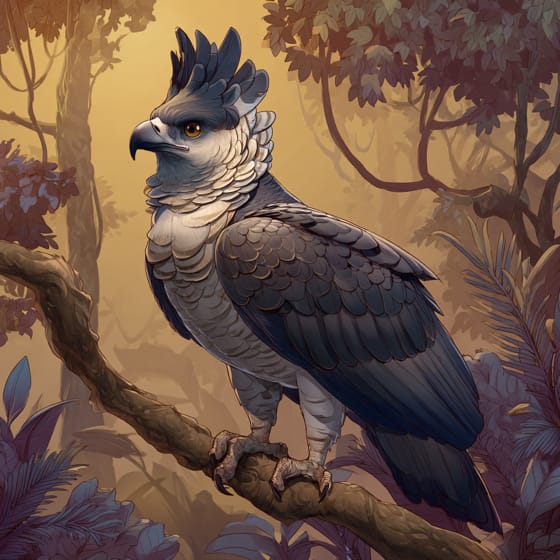
Harpia harpyja
A powerful aerial predator in the canopy.
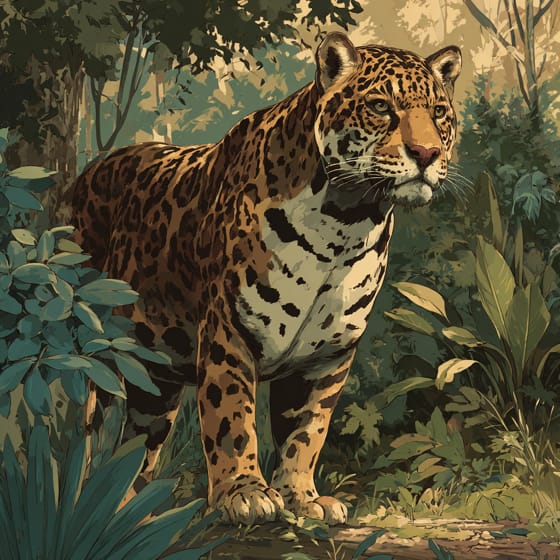
Panthera onca
An opportunistic jungle hunter preying on arboreal animals.
Boa constrictor
Large snakes can ambush young or smaller capuchins.
Ficus insipida
Consumes its fruits, aiding in seed dispersal.
Furry describes animals possessing a dense covering of soft hair or fur.
Social animals live in organized groups, cooperating for survival benefits such as foraging, defense, and raising offspring.
This trait identifies organisms whose diet includes both plant and animal matter.
Arboreal animals live primarily in trees, utilizing them for shelter, food, and protection from predators.

This trait describes organisms that manipulate external objects to achieve a specific goal.

Forest habitats are terrestrial environments dominated by dense tree cover, supporting a high diversity of plant and animal life.

Diurnal animals are primarily active during daylight hours, typically resting or sleeping at night.
No aliases listed yet.
Danger
2/5 · Low
Always watch from a distance and never try to touch wild animals.
The easiest way to identify Gracile Capuchins is to use the Snappit nature identifier app.
30-55 cm
1.5-4 kg
15-25 years
25 km/h
Gracile Capuchins are omnivores, enjoying a diverse menu of fruits, insects, small animals, and even leaves.
Forests
Foraging
Zoom in to split clusters and explore where this object has been snapped.
Recent snaps will appear here as new observations are added.
Take the discovery with you
Snap it with Snappit to identify it, learn what makes it special, and add the discovery to your collection.




.jpg&width=800)

.JPG&width=800)



.jpg&width=800)
