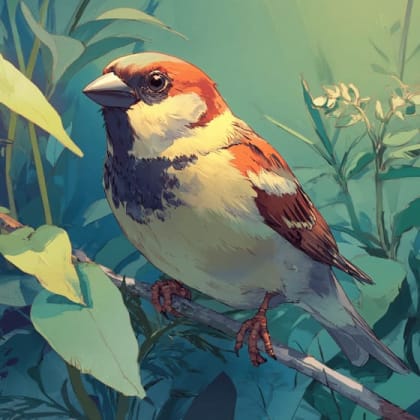





House Sparrow

American Baptist College is a cornerstone of American history, education, and the Civil Rights Movement.
American Baptist College is a cornerstone of American history, education, and the Civil Rights Movement. Affectionately known as "Holy Hill," this historically Black college in Nashville, Tennessee, offers visitors a unique journey through a campus steeped in the fight for social justice and academic excellence. Founded in 1924, it stands as a testament to the enduring power of education and faith in shaping a more equitable world.
The campus itself is a living historical exhibit, featuring buildings like Griggs Hall, which served as a crucial hub for non-violent training during the Nashville sit-ins and was home to future civil rights giants such as John Lewis. Other notable structures, including the J.B. Lawrence Administration Building (now Flakes Administration Building) and the Susie McClure Library, contribute to the college's rich architectural and historical tapestry. The modern John R. Lewis and Julius R. Scruggs Leadership Development Center further honors the profound legacy of its distinguished alumni. While not a traditional park with animal or botanical collections, the college's historic district and its well-maintained grounds offer a contemplative atmosphere for reflection.
A visit to American Baptist College provides an inspiring glimpse into the origins of transformative social change and the persistent pursuit of education. It’s a place where the echoes of freedom songs and impassioned speeches still resonate, inviting guests to connect with a pivotal chapter in American history. Exploring its grounds allows one to walk in the footsteps of courageous leaders who helped redefine the nation's conscience. Take the ultimate field guide with you: use the Snappit app to identify birds, plants, and animals on your trip.
American Baptist College was founded in 1924 as the American Baptist Theological Seminary, emerging from an unprecedented collaboration between the all-Black National Baptist Convention, USA, Inc., and the all-White Southern Baptist Convention. The initial vision was to establish a school for training Black clergy to become effective leaders within their communities. The present 53-acre site in Nashville was purchased in 1921, and Griggs Hall, the first building, was erected in 1923. The college gained profound national significance during the 1960s, becoming a vital "command post" for organizing and training students for social justice causes, particularly the Nashville Student Movement and the impactful sit-ins. Students from American Baptist College, under the guidance of dedicated professors, played leading roles in the non-violent protests against racial segregation. Many, including future U.S. Congressman John Lewis, Bernard Lafayette, and James Bevel, emerged from its halls to become iconic figures in the Civil Rights Movement. In 2013, the American Baptist Theological Seminary Historic District was listed on the National Register of Historic Places, acknowledging its immense contributions to African American ethnic heritage, education, religion, and the Civil Rights movement.
Explore the historical buildings and imagine the pivotal events that unfolded within their walls. Look for dedications and plaques honoring the college's alumni and their impact on the Civil Rights Movement. Take a stroll through the campus grounds, appreciating the historical landscape that contributed to its National Register listing.
Nashville's summers can be hot and humid, while winters are generally mild but can have cold snaps. Spring and fall offer the most comfortable weather for walking around campus. The college may host special events or lectures that could be of interest; checking their website for an events calendar is recommended.
Griggs Hall is noted as ADA Accessible. As a college campus, many pathways are likely paved. Visitors parking is available in designated Lot A after checking in at the security booth, suggesting controlled access.
The oldest building, a National Register of Historic Places site, where Civil Rights leaders like John Lewis lived and where non-violent protest strategies were practiced.
Look for markers around campus detailing its role in the Civil Rights Movement and honoring key figures. A historical marker for John R. Lewis has been installed.
A significant historical structure on campus.
An important campus building housing historical resources.
Each card links to a full Explore page with photos, traits, and fun facts.




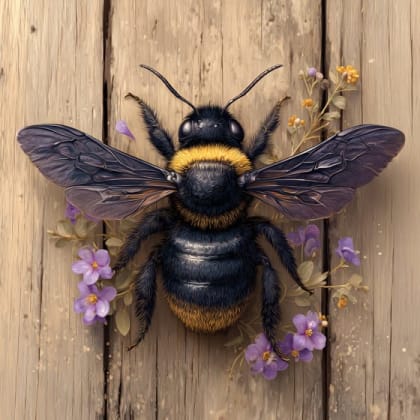










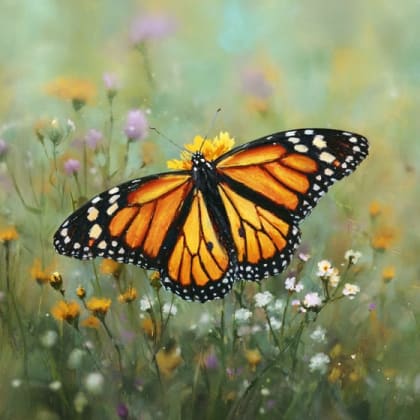




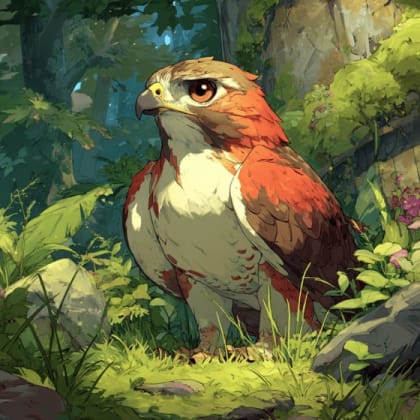



















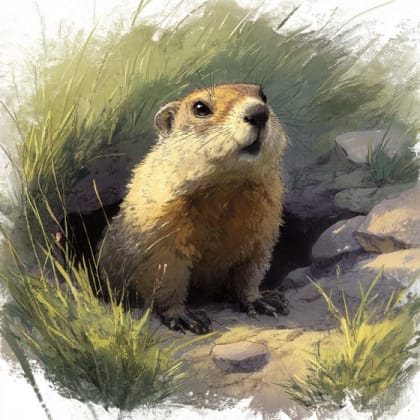



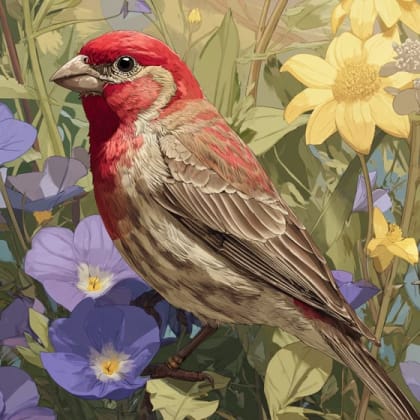


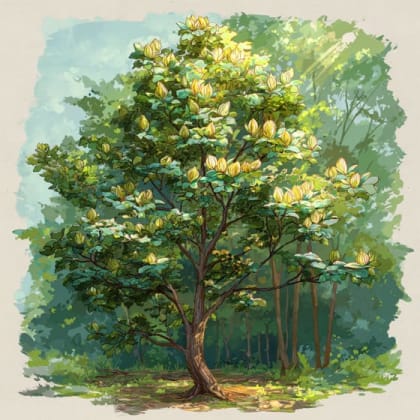


Start with the big picture, then zoom in to explore individual wildlife observations around this place.
Check the college's official website (abcnash.edu) for any updated visitor information, campus closures, or special event schedules before your visit.
Upon arrival, proceed to the main entrance's Security Booth for visitor verification and guidance on where to park in "Parking Lot A."
Consider comfortable walking shoes as you will likely be exploring the campus grounds and buildings on foot.
Be respectful of the academic environment during your visit, as it is an active college campus.
Look for historical markers and plaques around the campus to learn more about the specific events and individuals who shaped the college's legacy.
If interested in a specific building tour, especially for Griggs Hall, inquire about appointments in advance.
Jun 14, 2026
Photo attribution
(c) bookfinch, some rights reserved (CC BY)
License: CC BY 4.0 ↗
Image may be shown cropped inside the card frame.
May 30, 2026
Photo attribution
(c) Ansil B.R., some rights reserved (CC BY)
License: CC BY 4.0 ↗
Image may be shown cropped inside the card frame.
Jun 19, 2026
Jun 19, 2026
Jun 18, 2026

Maryland, US
You might spot White-Tailed Deer and Eastern Gray Squirrel.
View guide →
.jpg)
District of Columbia, US
You might spot Eastern Gray Squirrel, Duck, and House Sparrow.
View guide →

Illinois, US
You might spot American Robin, Canada Goose, and House Sparrow.
View guide →

Virginia, US
You might spot Spotted Lanternfly and Northern Cardinal.
View guide →
Take the discovery with you
Identify the wildlife you spot, learn as you go, and keep a collection of the adventure.