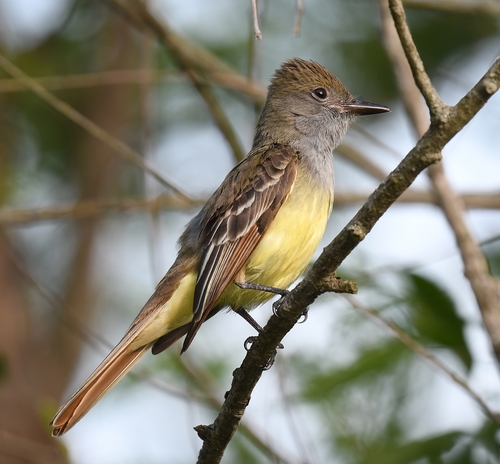


Great Crested Flycatcher
myiarchus crinitus
The Great Crested Flycatcher is a charismatic, vocal member of the tyrant flycatcher family, well-known for its bold personality and unique nesting habits. Found throughout the deciduous forests of eastern North America during the breeding season, this bird prefers to stay high in the canopy, making its presence known with a loud, ringing 'wheep' call. It is one of the larger flycatchers in its range, easily recognized by its bright lemon-yellow belly and striking rufous tail feathers. What truly captures the imagination of birdwatchers is their bizarre habit of weaving shed snake skins into their nests. This behavior, likely intended to scare off nest predators, showcases their resourcefulness. Highly aerial and fiercely territorial, they are delightful to watch as they perform acrobatic maneuvers to snatch insects out of mid-air.
Habitat: Found in deciduous forests, open woodlands, orchards, and forest edges across eastern North America.
This medium-sized songbird is distinguished by an olive-brown back, a soft grey throat and breast, and a vibrant lemon-yellow belly. Its wings and tail feature prominent rufous highlights that create a warm, reddish-brown flash of color when in flight. It possesses a bushy crest on its head that it can raise when excited or alarmed, giving it a distinctive, wild-headed appearance. It has a stout, dark bill with a tiny hook at the tip, perfect for capturing prey, and a wingspan reaching up to 36 centimeters.
Category
BirdsRarity
Common
Danger
1/5 · Very low
Snaps
14
They are highly territorial during the nesting season and will chase away much larger animals, including squirrels and other bird species.
This bird is famous for lining its nest with shed snakeskins, but in urban areas, it will readily use clear plastic wrappers or cellophane instead.
Unlike most other North American flycatchers, the Great Crested Flycatcher nest exclusively in cavities, using woodpecker holes or nest boxes.
Weaves shed snake skins, onion skins, or plastic trash into its nest cavity to scare off potential predators.
Launches from a high perch to perform tight, acrobatic aerial maneuvers to capture flying insects mid-air before returning to the perch.
Employs a loud, piercing call that carries through dense tree lines to announce territories and warn of predators.
Primarily feeds on flying insects caught in mid-air, supplemented by spiders, beetles, and occasionally small fruits or berries.
Age differences: Nestlings are fed soft-bodied insects and caterpillars, while adults eat a wider variety of harder-shelled insects and berries.
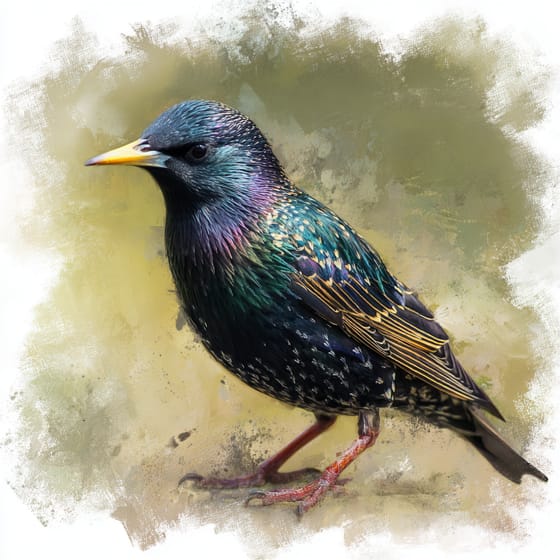
Sturnus vulgaris
Competes aggressively for nesting cavities in mature woodlands.
Pantherophis obsoletus
Preys upon the eggs and nestlings in tree cavities.

Buteo platypterus
Preys upon adult flycatchers during the breeding season.
No trait badges are assigned for this object yet.
No aliases listed yet.
Collections for this object will appear here as more themes are added.
Danger
1/5 · Very low
No special safety notes yet.
The easiest way to identify Great Crested Flycatcher is to use the Snappit nature identifier app.
17-21 cm
31-36 cm
0.027-0.04 kg
5-10 years
35 km/h
Primarily feeds on flying insects caught in mid-air, supplemented by spiders, beetles, and occasionally small fruits or berries.
Found in deciduous forests, open woodlands, orchards, and forest edges across eastern North America.
Zoom in to split clusters and explore where this object has been snapped.

Arkansas, US
You might spot Eastern Gray Squirrel and Asian Lady Beetle.
View guide →

Georgia, US
You might spot Brown Anole, Anole, and Gulf Fritillary.
View guide →

Oklahoma, US
You might spot Western Ratsnake and Spotted Chorus Frog.
View guide →

South Carolina, US
You might spot Anole, Asian Lady Beetle, and Gulf Fritillary.
View guide →

Massachusetts, US
You might spot Striped Wintergreen, Painted Turtle, and Canada Goose.
View guide →

Virginia, US
You might spot Eastern Gray Squirrel, Duck, and Northern Mockingbird.
View guide →
Take the discovery with you
Snap it with Snappit to identify it, learn what makes it special, and add the discovery to your collection.







.jpg&width=800)









