





Spotted Sandpiper
Actitis macularius
The Spotted Sandpiper is a small bird that loves to wade in shallow waters. It has a unique spotted belly and a cheerful, bobbing walk that makes it fun to watch!
Habitat: Wetlands
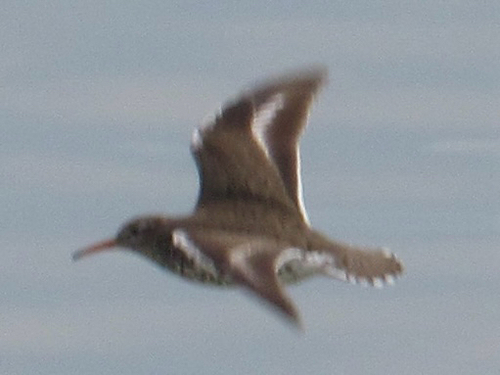
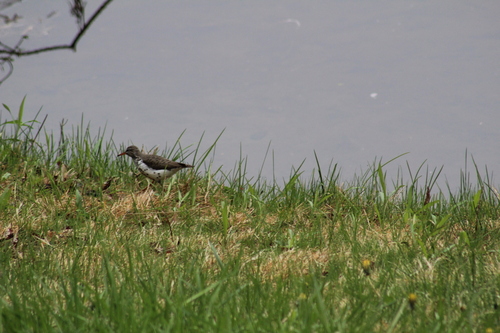
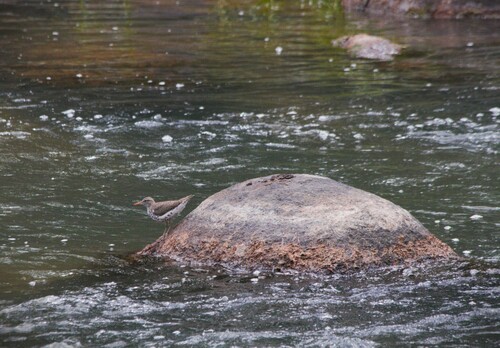
The Spotted Sandpiper is a small shorebird with a slender body. In summer, it has distinct dark spots covering its white underside and a pale stripe above its eye. Its bill is dull yellow with a dark tip, which makes it stand out.
Category
BirdsRarity
Common
Danger
1/5 · Very low
Snaps
35
Female sandpipers often leave the male to raise the chicks alone!
Males have special patches on their chest to keep eggs warm.
Their flight looks like a bouncing ball, unique among shorebirds.
They migrate solo, without flying in big flocks like other birds.
Spotted Sandpiper can constantly bob its tail up and down because this helps them search for prey and navigate uneven surfaces.
Spotted Sandpiper females can lay multiple clutches with different mates, helping them produce more offspring.
Spotted Sandpipers have stiff, bowed wings and beat them rapidly below body level, giving them an erratic, unique flight pattern.
They mostly eat tiny insects and worms found near water.
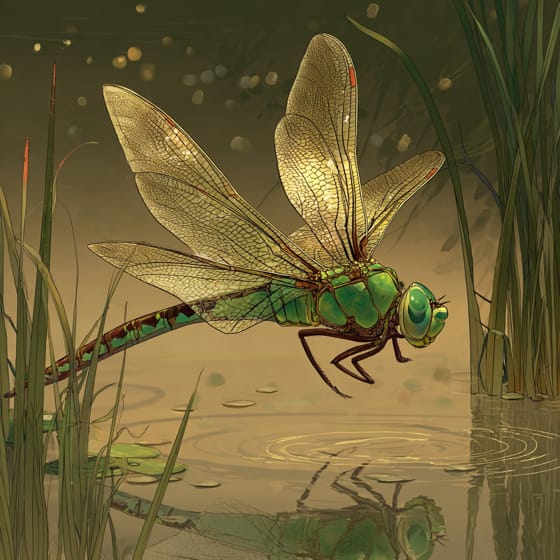
Anax junius
Catches dragonflies and their aquatic larvae near water.
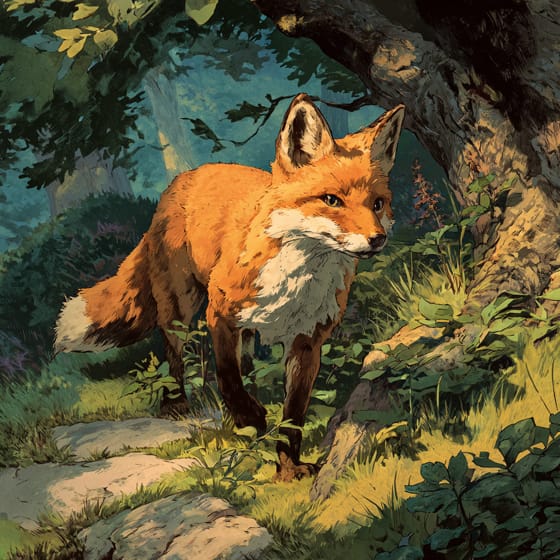
Vulpes vulpes
Preys on eggs, chicks, and sometimes adult sandpipers.
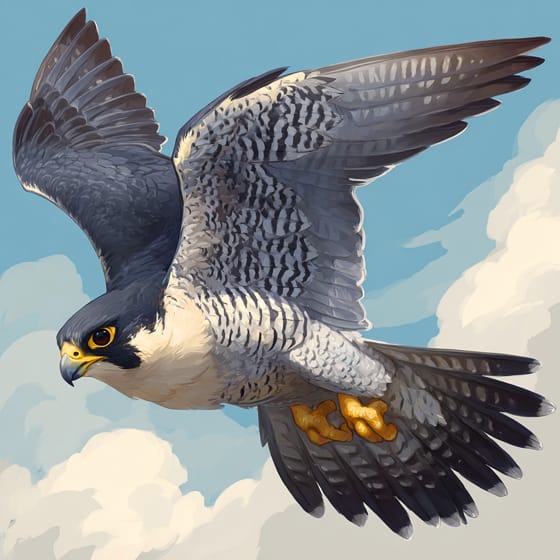
Falco peregrinus
A swift aerial predator that hunts small birds.
Dytiscus marginalis
Aquatic beetles are a common food source for the sandpiper.
Feathered describes animals, primarily birds, possessing a covering of feathers.
Marked with spots or patches of a different color.
Social animals live in organized groups, cooperating for survival benefits such as foraging, defense, and raising offspring.
This trait identifies organisms whose diet primarily consists of insects and other small invertebrates.

Piscivorous organisms are animals that primarily subsist on a diet of fish.

This habitat trait identifies species found in wetlands, which are areas of land saturated with water, either permanently or seasonally, including marshes, swamps, and bogs.

Diurnal animals are primarily active during daylight hours, typically resting or sleeping at night.

Migratory animals undertake seasonal movements from one region to another, typically in response to changes in climate or food availability.
No aliases listed yet.
Danger
1/5 · Very low
Always watch birds from a distance and don't try to touch them.
The easiest way to identify Spotted Sandpiper is to use the Snappit nature identifier app.
18-20 cm
37-40 cm
0.021-0.05 kg
3-12 years
55 km/h
They mostly eat tiny insects and worms found near water.
Wetlands
Zoom in to split clusters and explore where this object has been snapped.
Jun 5, 2026
Concord Monument Square-Lexington Road Historic DistrictPhoto attribution
(c) Lythronax246, some rights reserved (CC BY)
License: CC BY 4.0 ↗
Image may be shown cropped inside the card frame.
May 10, 2026
Fort SupplyPhoto attribution
no rights reserved
License: CC0 1.0 ↗
Image may be shown cropped inside the card frame.
May 9, 2026
Hudson Falls Historic DistrictPhoto attribution
(c) Lythronax246, some rights reserved (CC BY)
License: CC BY 4.0 ↗
Image may be shown cropped inside the card frame.
May 1, 2026
Columbia CanalPhoto attribution
(c) Raven Dandridge, some rights reserved (CC BY)
License: CC BY 4.0 ↗
Image may be shown cropped inside the card frame.

Virginia, US
You might spot Eastern Box Turtle and White-Tailed Deer.
View guide →

South Carolina, US
You might spot Great Blue Heron, Spanish Moss, and Cahaba Lily.
View guide →

Massachusetts, US
You might spot Striped Wintergreen, Painted Turtle, and Canada Goose.
View guide →

New York, US
You might spot Garter Snake, Painted Turtle, and Monarch.
View guide →

Virginia, US
You might spot Duck, Eastern Gray Squirrel, and Painted Turtle.
View guide →

Tennessee, US
You might spot Pond Slider, White-Tailed Deer, and Great Blue Heron.
View guide →
Take the discovery with you
Snap it with Snappit to identify it, learn what makes it special, and add the discovery to your collection.




.jpg&width=800)








