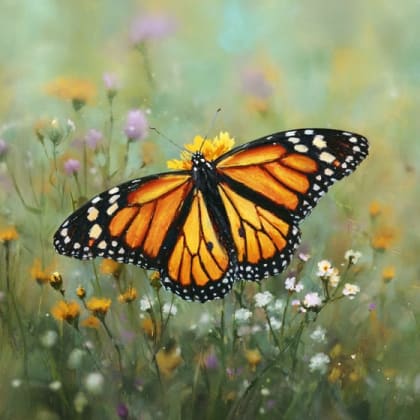
Eastern Tiger Swallowtail

Chilocco Indian Agricultural School stands as a profound historical landmark in Oklahoma.
Chilocco Indian Agricultural School stands as a profound historical landmark in Oklahoma.
This former federal boarding school for Native American youth, operational from 1884 to 1980, offers a poignant glimpse into a complex chapter of American history and education. Its extensive campus, now listed on the National Register of Historic Places, features numerous architecturally significant limestone buildings, a testament to the vocational training and self-sufficiency that defined much of its existence. While currently closed to general public access, the physical remnants of Chilocco serve as a powerful site for reflection and historical study, embodying both the challenging assimilation policies of the past and the enduring spirit of its thousands of alumni.
The campus once boasted over a hundred buildings, including impressive structures like Haworth Hall, a grand limestone classroom building with a central tower, and Leupp Hall, which served as the domestic sciences department and main dining facility. Beyond these academic and residential halls, the school featured extensive agricultural facilities, such as historic barns, equipment sheds, and grain silos, reflecting its core mission of agricultural education. Significant landscape features like the mile-long elm-lined entry road and Chilocco Lake contribute to the contemplative atmosphere of the sprawling grounds.
Though direct visitation is restricted, Chilocco's legacy is preserved through historical records, alumni associations, and ongoing efforts to document its past. Engaging with its history provides invaluable insights into Native American education, vocational training, and the resilience of Indigenous cultures. It remains a crucial touchstone for understanding the impacts of federal Indian boarding schools, prompting continued dialogue and remembrance. Turn your visit into a safari! Use the Snappit app to scan and log wildlife sightings here.
Chilocco Indian Agricultural School was established in 1884 by an executive order from President Chester A. Arthur, on land provided by the Cherokee Nation in north-central Oklahoma. Modeled after the Carlisle Indian School, its primary objective was to assimilate Native American children into mainstream American society through academic and vocational education, particularly in agriculture and various trades. The school provided training in nearly 30 vocational programs, operating with a highly structured, often militarized regime in its early decades. Throughout its nearly century-long operation, Chilocco educated approximately 18,000 students from 126 different tribes across the United States. While its history is complex, marked by both harsh disciplinary practices and opportunities for education and community building, the school played a significant role in the lives of its students. Chilocco closed on June 3, 1980, due to declining enrollment and a shift in federal policy and funding. The land and remaining buildings are now held in trust by the Kaw Nation, Otoe-Missouria Tribe, Pawnee Nation, Ponca Nation, and Tonkawa Tribe, and the site was added to the National Register of Historic Places in 2006.
As a largely outdoor historical site with many abandoned buildings, weather conditions would be a primary factor if access were ever granted. Spring and fall would offer more temperate conditions.
Given its status as an abandoned campus not open to the public, there are no designated accessibility features or paved trails in the conventional sense. The terrain would likely be uneven and potentially hazardous in areas.
Each card links to a full Explore page with photos, traits, and fun facts.
Start with the big picture, then zoom in to explore individual wildlife observations around this place.
Respect Private Property
Understand that the campus is not open for public access and attempting to enter without explicit permission is not advised due to active security and surveillance.
Explore Digitally
Utilize the extensive online archives from the Oklahoma Historical Society and Oklahoma State University Libraries for historical photographs, documents, and oral histories.
Connect with Alumni Associations
The Chilocco National Alumni Association is a key resource for understanding the school's legacy and the experiences of its former students.
Read Published Histories
Seek out academic works and publications that detail the history of Chilocco and other Indian boarding schools to gain a comprehensive understanding.
Be Aware of the Complex History
Approach the subject with sensitivity, recognizing the multifaceted and often painful experiences associated with federal Indian boarding schools.
Jun 6, 2026
Jun 6, 2026
May 27, 2026
May 27, 2026
May 16, 2026

Maryland, US
You might spot White-Tailed Deer and Eastern Gray Squirrel.
View guide →
.jpg)
District of Columbia, US
You might spot Eastern Gray Squirrel, Duck, and House Sparrow.
View guide →

Illinois, US
You might spot American Robin, Canada Goose, and House Sparrow.
View guide →

Virginia, US
You might spot Spotted Lanternfly and Northern Cardinal.
View guide →
Take the discovery with you
Identify the wildlife you spot, learn as you go, and keep a collection of the adventure.