





Great Plains Skink
Plestiodon obsoletus
The Great Plains Skink is a shiny lizard with smooth scales and a long body. They love to bask in the sun and can be found hiding under rocks or logs in the grasslands.
Habitat: Grasslands
The Great Plains Skink is a medium-sized lizard with a sleek, glossy body. Adults are typically gray or tan with dark spots forming faint lines along their sides. Juveniles boast a striking dark body with light stripes and a brilliant blue tail, which fades with age.
Category
ReptilesRarity
Common
Danger
1/5 · Very low
Snaps
1
Baby skinks sport dazzling blue tails that fade as they grow up!
Mother skinks guard their eggs fiercely, even turning them to keep them healthy!
Their super smooth, shiny scales make them look like living jewels!
They dig their own underground burrows, cozy homes safe from danger!
Great Plains Skink can shed its tail if caught, because the wriggling tail distracts predators while they escape.
Great Plains Skink has strong maternal instincts that help them protect and care for their developing eggs.
Great Plains Skink can dig intricate burrows because of its strong claws, which helps them create safe havens.
These skinks are insect-eating champions, munching on bugs and tiny critters!

Pantherophis obsoletus
A common predator in its range.
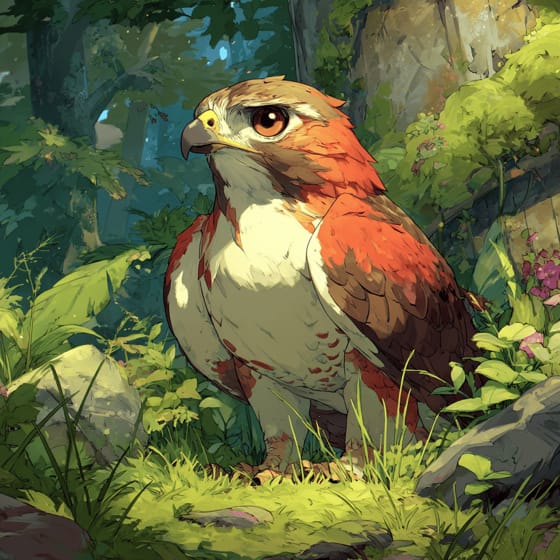
Buteo jamaicensis
Hunts small reptiles in open habitats.
Schistocerca lineata
A common insect prey found in its habitat.
Solitary animals live alone for most of their lives, only interacting with others for mating or parental care.
Arboreal animals live primarily in trees, utilizing them for shelter, food, and protection from predators.
Grassland habitats are terrestrial biomes dominated by grasses and herbaceous plants, supporting a variety of grazing animals.
This trait identifies organisms whose diet primarily consists of insects and other small invertebrates.

Diurnal animals are primarily active during daylight hours, typically resting or sleeping at night.
Regenerative organisms possess the ability to regrow lost or damaged body parts, tissues, or organs.
No aliases listed yet.
Danger
1/5 · Very low
Always watch where you step in nature, and don't touch wild animals without asking an adult.
The easiest way to identify Great Plains Skink is to use the Snappit nature identifier app.
13-35 cm
0.01-0.03 kg
6-10 years
7 km/h
These skinks are insect-eating champions, munching on bugs and tiny critters!
Grasslands
Foraging
Zoom in to split clusters and explore where this object has been snapped.
Take the discovery with you
Snap it with Snappit to identify it, learn what makes it special, and add the discovery to your collection.














