





Aquatic Garter Snake
Thamnophis atratus
The Aquatic Garter Snake is a friendly snake that loves to swim and hunt for fish. It has beautiful stripes and can often be found near water, making it a special sight to see!
Habitat: Wetlands
The Aquatic Garter Snake is typically dark olive to black with a dull yellow or orange stripe often running down its back. It sometimes has fainter side stripes. Its plain dark belly helps distinguish it and provides camouflage in murky water.
Category
ReptilesRarity
Common
Danger
1/5 · Very low
Snaps
2
Its tongue flicking not only tastes the air but also smells underwater to find hidden prey!
These snakes give birth to live babies, swimming immediately after they are born!
They can eat poisonous newts and salamanders that would make other animals very sick!
When scared, they might release a smelly, musky liquid to make predators think twice about eating them!
Aquatic Garter Snake can hunt fish underwater because it has great vision and can hold its breath for several minutes.
Aquatic Garter Snake has unique physiological resistance that lets it safely eat poisonous newts and salamanders.
Aquatic Garter Snake has a sleek body and keeled scales that help it glide effortlessly and quickly through water.
An agile hunter, it eats small fish, amphibians, and invertebrates found in its watery home.
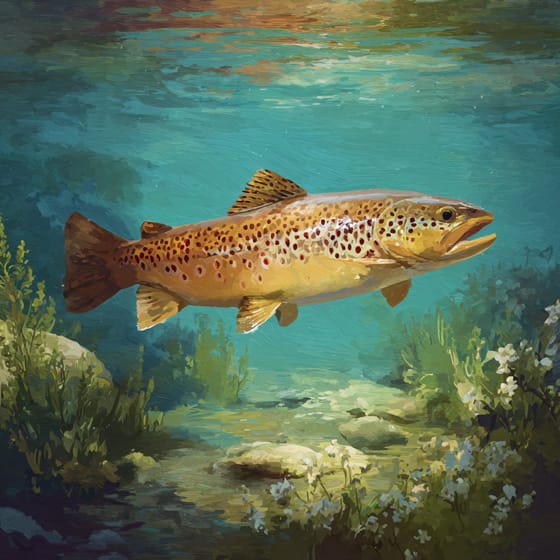
Salmo trutta
often hunts small fish like trout in its streams and ponds.
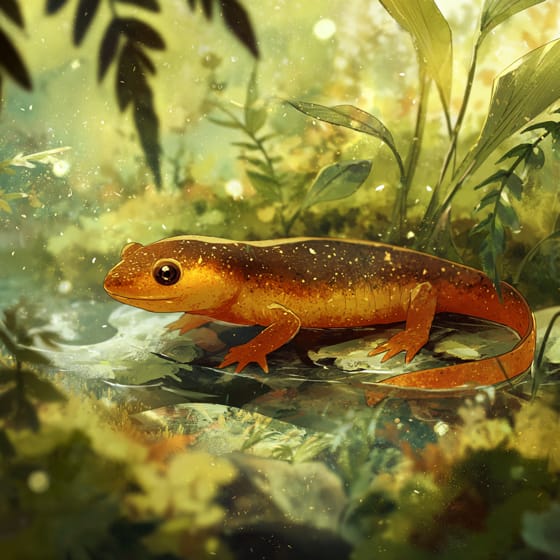
Taricha torosa
consumes newts, including their toxic skin, showing unique immunity.
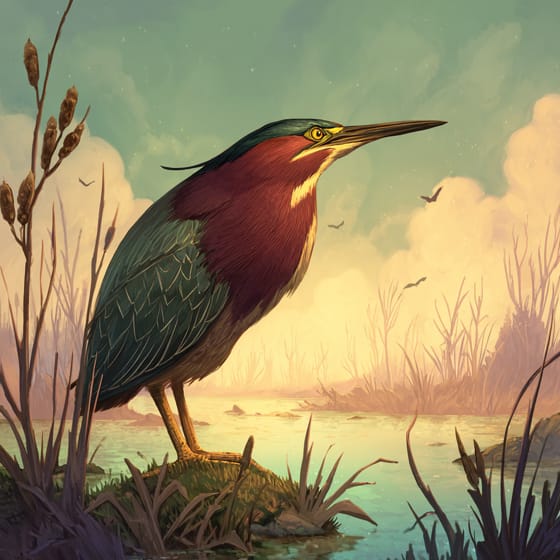
Butorides virescens
hunted by various wading birds and raptors near water sources.

Rana aurora
preys on various frogs and their tadpoles found in aquatic habitats.
Marked with parallel bands or lines of color.
Solitary animals live alone for most of their lives, only interacting with others for mating or parental care.
Colorful describes organisms or objects displaying a wide range of bright and distinct colors.
Piscivorous organisms are animals that primarily subsist on a diet of fish.

This habitat trait identifies species found in wetlands, which are areas of land saturated with water, either permanently or seasonally, including marshes, swamps, and bogs.

This trait identifies organisms whose diet consists entirely or primarily of animal tissue.

Diurnal animals are primarily active during daylight hours, typically resting or sleeping at night.

Aquatic habitats encompass environments where organisms live predominantly in water, including oceans, rivers, lakes, and wetlands.
No aliases listed yet.
Danger
1/5 · Very low
If you see a snake, it's best to watch from a distance and not touch it.
The easiest way to identify Aquatic Garter Snake is to use the Snappit nature identifier app.
46-100 cm
0.05-0.2 kg
5-10 years
8 km/h
An agile hunter, it eats small fish, amphibians, and invertebrates found in its watery home.
1.5 km/h
Wetlands
Zoom in to split clusters and explore where this object has been snapped.

California, US
You might spot Mule Deer, Turkey, and Duck.
View guide →

California, US
You might spot Western Fence Lizard and Acorn Woodpecker.
View guide →
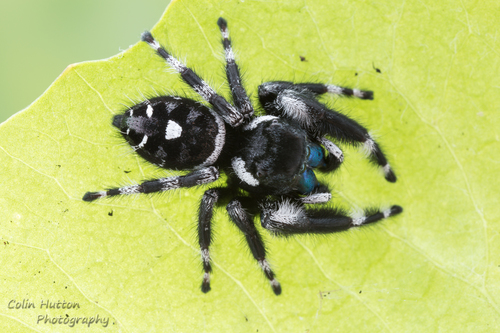
California, US
You might spot Bold Jumping Spider and Marbled Cellar Spider.
View guide →
Take the discovery with you
Snap it with Snappit to identify it, learn what makes it special, and add the discovery to your collection.













