





great stinging nettle
Urtica dioica
The great stinging nettle is a tall plant with green leaves that can sting you if you touch them! It grows in many places and is important for butterflies and other insects.
Habitat: Grasslands
The great stinging nettle is a tall, upright plant with square-ish green stems and heart-shaped or oval leaves, all covered in tiny stinging hairs. It produces small, greenish-white flowers that hang in drooping clusters from late spring. Its vibrant green foliage often forms dense, lush patches.
Category
PlantsRarity
Common
Danger
3/5 · Moderate
Snaps
3
Ancient people once wove surprisingly strong cloth from nettle fibers, just like linen!
Historically, people used cooked nettles as a healthy spring tonic or even medicine!
Where great stinging nettles grow tall, it often means the soil is super rich and healthy!
You can extract green or yellow dyes from nettle leaves to color fabrics naturally!
The great stinging nettle has hollow, needle-like hairs on its leaves and stems that inject irritating chemicals to defend against munching animals.
The great stinging nettle can spread rapidly using underground stems called rhizomes, helping it colonize new areas and resist being pulled up.
The great stinging nettle can gather lots of nutrients, especially nitrogen, from the soil, allowing it to grow big and strong in rich environments.
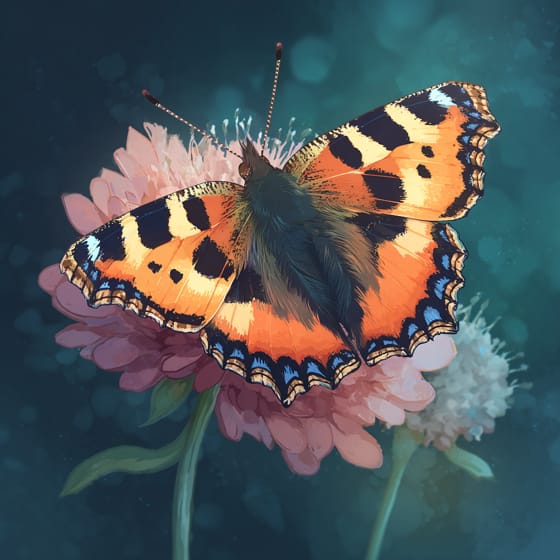
Aglais urticae
larvae feed on leaves
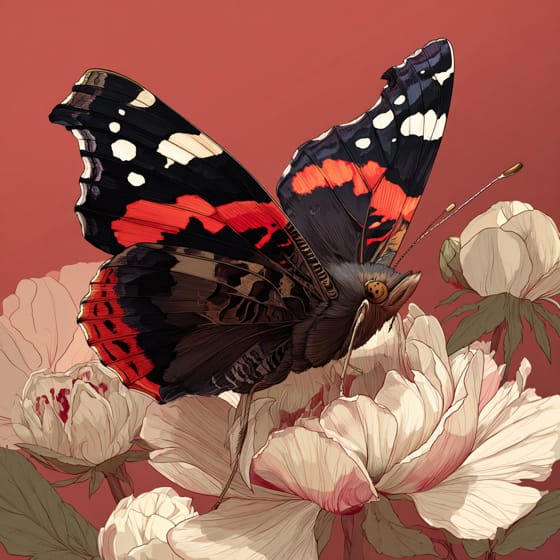
Vanessa atalanta
caterpillars munch on leaves
Hypena proboscidalis
larvae feed exclusively on nettle
Flowering plants are any plants that produce flowers as part of their reproductive cycle.
Medicinal plants possess chemical compounds that can be used for therapeutic purposes to treat illnesses or maintain health.
Edible plants are those parts of a plant that are considered safe for human consumption.
Grassland habitats are terrestrial biomes dominated by grasses and herbaceous plants, supporting a variety of grazing animals.

Describes plants that are particularly attractive and beneficial to a wide range of pollinating organisms.

Rapid growing plants exhibit accelerated growth rates, quickly increasing in size and biomass within a short period.

Possessing sharp, pointed projections or spines on the body or surface.
No aliases listed yet.
Danger
3/5 · Moderate
Be careful not to touch the leaves, as they can sting your skin.
The easiest way to identify great stinging nettle is to use the Snappit nature identifier app.
60-150 cm
30-100 cm
0.1-0.3 cm
Late spring to early fall
Yes
Mild
Perennial
Zoom in to split clusters and explore where this object has been snapped.
New York, US
You might spot Duck, Water Caltrop, and Spotted Lanternfly.
View guide →

Central Denmark Region, DK
You might spot Polar Bear, Brown Bear, and Pea.
View guide →

Zurich, CH
You might spot Red Deer, Wolves and Dogs, and European Bison.
View guide →
Take the discovery with you
Snap it with Snappit to identify it, learn what makes it special, and add the discovery to your collection.








.jpg&width=800)



_001.jpg&width=800)



