



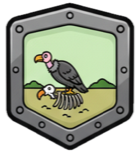

American Herring Gull
Larus smithsonianus
The American Herring Gull is a large bird often seen near oceans and lakes. They have gray wings and a white body, and they love to squawk and search for food.
Habitat: Coastal areas
The American Herring Gull has a bright white head and body with light gray wings tipped in black. Its stout yellow bill features a distinctive red spot on the lower mandible, making it easily recognizable among other gulls.
Category
BirdsRarity
Common
Danger
2/5 · Low
Snaps
25
A Herring Gull can drink both fresh and saltwater, thanks to special glands!
The oldest recorded American Herring Gull lived for over 30 years!
Their fluffy chicks are camouflaged with brown spots to hide from predators.
They are known to drop hard-shelled food, like clams, from high in the sky to crack them open!
American Herring Gull can crack open tough shells because of its powerful, hooked beak and strong jaw muscles.
American Herring Gull can spot tiny food from high above because of its excellent eyesight that helps them forage efficiently.
American Herring Gull can swallow surprisingly large items whole because of its wide gape and flexible throat muscles.
American Herring Gull has webbed feet that help them paddle and float effortlessly while searching for food on water.
This clever bird eats almost anything it can find, from fish to discarded snacks!
Age differences: Young gulls are fed by parents and gradually learn to forage on their own for various foods.
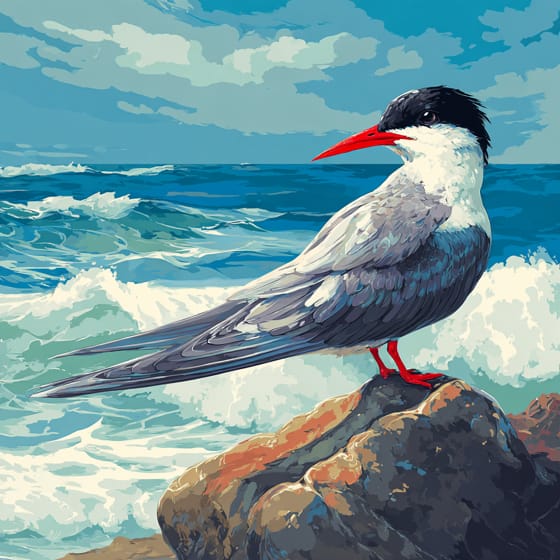
Sterna hirundo
Gulls often prey on eggs and chicks from tern colonies.
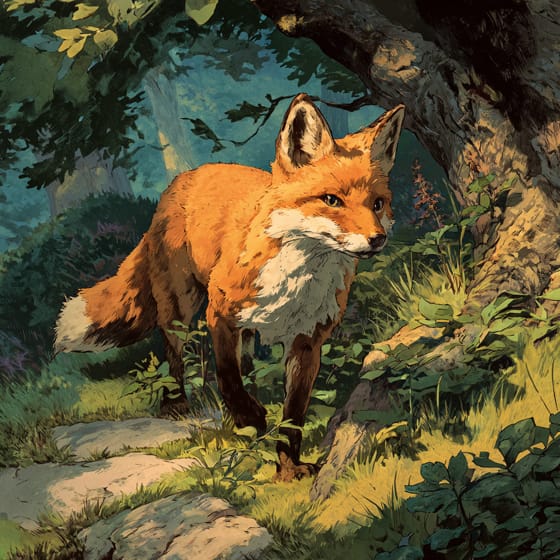
Vulpes vulpes
Foxes often prey on gull eggs, chicks, or injured adults.
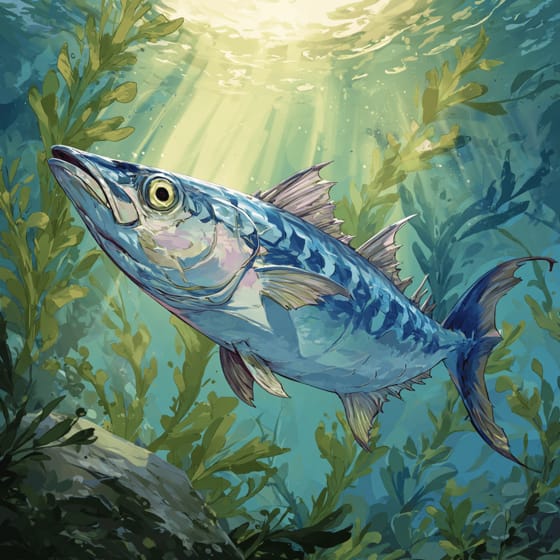
Scomber scombrus
Gulls dive to catch these fish near the water surface.

Crassostrea virginica
Gulls drop these hard-shelled mollusks to break them open.
Feathered describes animals, primarily birds, possessing a covering of feathers.
Social animals live in organized groups, cooperating for survival benefits such as foraging, defense, and raising offspring.
This trait identifies organisms whose diet includes both plant and animal matter.
Scavengers consume dead organic matter, helping to decompose carcasses and other waste in the ecosystem.

Coastal habitats are dynamic environments located along the interface between land and sea, influenced by tides, waves, and saltwater.

Diurnal animals are primarily active during daylight hours, typically resting or sleeping at night.

This trait identifies organisms that exhibit exceptional swiftness in movement for hunting, escape, or travel.

Marine habitats encompass all saltwater environments of the Earth's oceans, supporting an immense diversity of aquatic life.

Migratory animals undertake seasonal movements from one region to another, typically in response to changes in climate or food availability.
No aliases listed yet.
Danger
2/5 · Low
Don't feed the gulls, as they can become too friendly and might grab your food!
The easiest way to identify American Herring Gull is to use the Snappit nature identifier app.
56-66 cm
137-152 cm
0.8-1.5 kg
15-20 years
60 km/h
This clever bird eats almost anything it can find, from fish to discarded snacks!
Coastal areas
Zoom in to split clusters and explore where this object has been snapped.

Rhode Island, US
You might spot Rugosa Rose and American Herring Gull.
View guide →

Rhode Island, US
You might spot Spotted Lanternfly, Duck, and American Robin.
View guide →

California, US
You might spot Snowy Egret, Great Blue Heron, and Willet.
View guide →

Rhode Island, US
You might spot Spotted Lanternfly, Duck, and American Robin.
View guide →

New Jersey, US
You might spot Brant, Laughing Gull, and Great Black-Backed Gull.
View guide →

Maine, US
You might spot American Bullfrog and Three-Toothed Cinquefoil.
View guide →
Take the discovery with you
Snap it with Snappit to identify it, learn what makes it special, and add the discovery to your collection.




.jpg&width=800)








